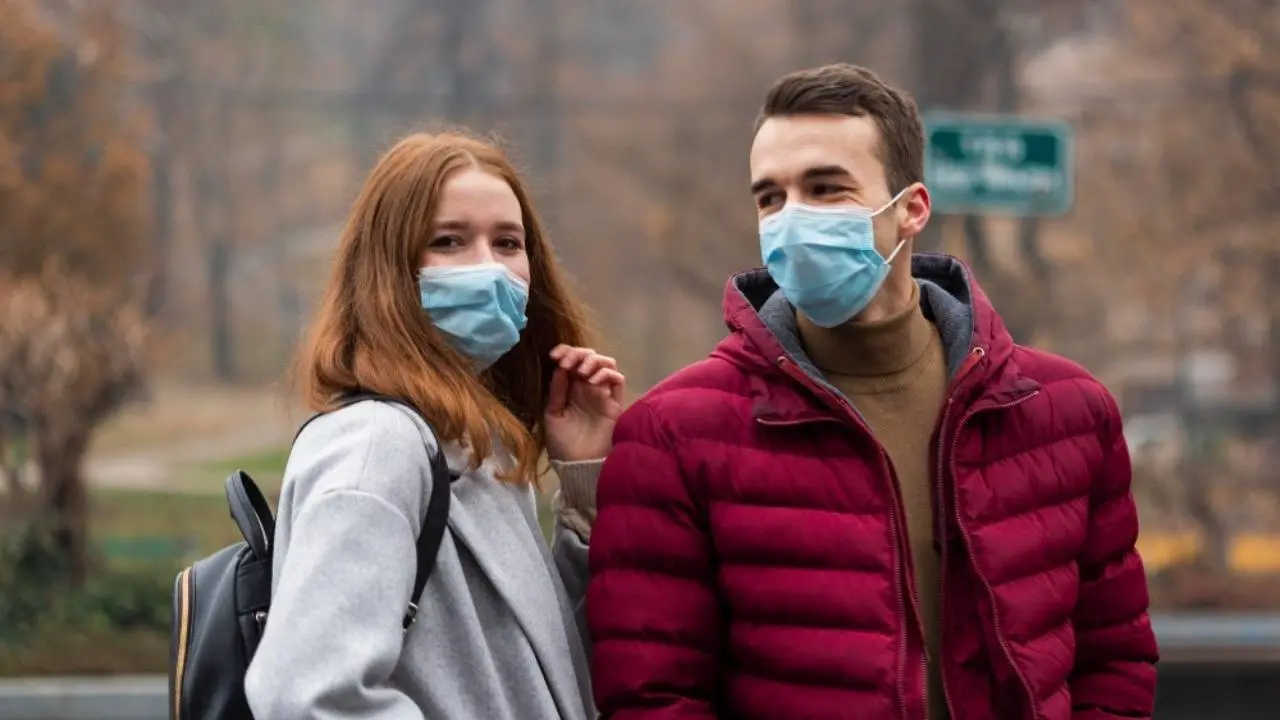
Conquer Winter Smog: Essential Mask Usage Tips
Winter typically brings joy with cozy clothes, warm beverages, and outdoor activities. Yet, in numerous cities, the season also ushers in smog—air laden with harmful pollutants. These fine particles are often invisible but can significantly impact lung health when inhaled over time.
Vulnerable groups such as children, the elderly, asthma sufferers, and those with weakened immune systems face heightened risks during smoggy days. Even healthy individuals may experience symptoms like coughing, tightness in the chest, eye irritation, or headaches, making mask-wearing an essential practice during this season.
But, wearing any mask isn't sufficient. It's crucial to choose the right mask for air pollution and to wear it correctly. This article covers the escalation of winter smog and effective mask etiquette for optimal protection.
What Causes Increased Smog in Winter?
In colder months, the air becomes denser, and pollutants from vehicles, industries, waste incineration, and construction settle closer to the ground, resulting in a thick smog layer.
Typical pollutants found in winter smog include:
PM2.5 particles that penetrate deep into the lungs and bloodstream.
PM10 particles that cause airway irritation.
Smoke from garbage or wood burning.
Exhaust fumes from vehicles.
Health effects associated with smog:
Irritation to eyes and throat.
Persistent coughing or sneezing.
Breathing difficulties.
Headaches and chest discomfort.
Long-term lung health risks.
Experts recommend wearing masks on days with elevated pollution levels to mitigate exposure to these detrimental effects.
Which Mask is Best for Pollution Protection?
Not all masks offer adequate pollution defense. Some are primarily for germ protection and not designed for toxic air filtration.
| Mask Type |
Protection Level |
Optimal Use |
| Surgical Mask |
Low |
Germ prevention only |
| Cloth Mask |
Low to medium |
Light dust, minor pollution |
| N95 Mask |
Very high |
PM2.5 pollution |
| KN95 or FFP2 Mask |
Very high |
Excellent N95 alternative |
During winter smog, the best choices are N95 or KN95 masks, filtering up to 95% of harmful particles.
While cloth and surgical masks may seem convenient, they offer minimal protection against severe pollution.
Proper Mask-Wearing Techniques
A mask is only effective if it fits securely. Gaps allow harmful particles to enter, compromising its effectiveness.
Steps for correct mask usage:
Sanitize hands before mask contact.
Fully cover your nose, mouth, and chin.
Adjust the nose clip for a snug fit without gaps.
Ensure no air escapes from the sides when breathing.
Avoid lowering the mask while speaking.
Refrain from touching the outer mask surface.
Wearing a mask loosely translates to very low protection.
Longevity of N95 or KN95 Masks
These masks are reusable for pollution safety as long as they remain clean.
A mask can be utilized for 7–8 hours in total.
Do not wash N95 or KN95 masks, as water can damage the filter.
Keep 2-3 masks and alternate their use.
Replace immediately if:
Surgical masks should be single-use and disposed of post-wear.
Safe Mask Storage Guidelines
Proper storage is vital to keep masks effective and prevent germ transfer.
Store used masks in a clean paper bag.
Allow drying for at least 72 hours before reuse.
Keep them shielded from dust and sunlight.
Avoid hanging masks around your neck.
Don't toss them in pockets or leave them on surfaces.
A contaminated mask can transfer germs to your respiratory system.
Child-Friendly Masks: Essential Insights for Parents
Children's rapid breathing makes them more susceptible to polluted air. They need masks specifically tailored their size.
For kids:
Opt for masks specifically designed for children.
Ensure they can breathe comfortably.
Educate them to keep their mask in place.
Avoid masks for children under the age of two.
If your child appears fatigued, dizzy, or struggles to breathe, remove the mask right away.
Additional Tips for Lung Protection Against Smog
Masks provide significant assistance, but supplementary safety measures promote healthier lungs.
Skip outdoor exercises on high pollution days.
Keep windows closed during peak pollution hours.
Stay hydrated to help clear airways.
Use an air purifier if possible.
Shower and change clothes upon returning home.
Follow daily pollution alerts via weather applications.
On hazardous pollution days, it’s safer to stay indoors than venture outside.
Who Must Wear Masks in Smog Conditions?
Certain individuals should never step out without wearing a protective mask:
Individuals with asthma or respiratory issues.
Children and teenagers.
Seniors.
Pregnant women.
Individuals with heart conditions.
Workers near traffic, delivery personnel, and construction staff.
For these individuals, even brief exposure to smog poses health risks.
Winter smog represents a serious health threat. However, with the right mask and correct usage, we can shield our lungs from the perils of polluted air. N95 and KN95 masks offer the highest level of protection.
Enjoying winter should be about comfort, not illness. Stay vigilant, wear masks appropriately, and protect your lungs all season long.
Disclaimer
This article serves to provide general awareness and safety insights. It should not replace professional medical advice. Individuals with existing conditions should consult a healthcare professional for personalized recommendations. Always adhere to local health regulations and pollution advisories to ensure safety.