How the Recent Health Guidance Influenced Travel Plans
A recent regional health advisory has prompted many to adjust their travel prep routines. This notice aimed to ensure travelers are better equipped and aware of potential health risks, reinforcing the importance of vigilance, hygiene, and readiness during travels, especially given the rise in seasonal illnesses and new public health protocols.
Upon the advisory's issuance, discussions surged in travel circles:
“Are masks necessary again?”
“What essential documents do we need?”
“Which destinations require extra caution?”
“Should we reassess our travel insurance?”
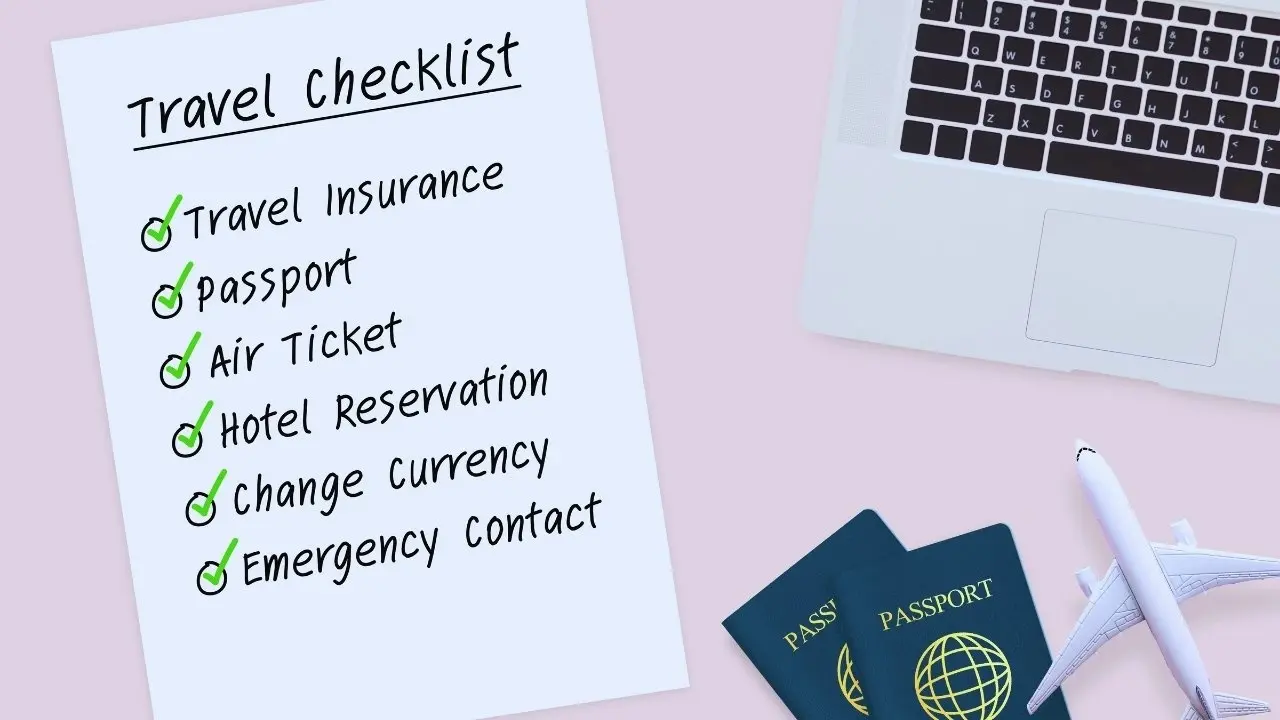
In response, many travelers optimized their pre-departure plans, curating a concise checklist that reflects the advisory's recommendations. This article outlines the critical steps to help anyone traveling this week, or beyond, stay organized and informed.
Insights from the Health Advisory
The advisory highlighted three key points:
1. Rising Risk of Seasonal Illness
With a spike in respiratory and viral infections, travelers are urged to take proactive health measures.
2. Clusters of Local Outbreaks
Certain areas reported increased infection rates, advising enhanced caution in those regions.
3. Reiteration of Safety Protocols
Public establishments—airports, markets, and attractions—are expected to adhere to updated hygiene practices.
The aim is not to incite fear but to promote readiness.
This Week's Must-Have Travel Checklist
1. Health Kit Essentials
This week, travelers have started packing a compact health kit, including:
This preparation enables responders to manage minor health issues without a last-minute search for pharmacies.
2. Essential Travel Documents
The advisory emphasizes having key health and ID documents readily accessible:
-
Government-issued ID
-
Recent prescriptions if applicable
-
Emergency contact information
-
Digital medical records
-
Travel insurance documentation
-
Any necessary declarations per the advisory
Having these documents can streamline the check-in process and alleviate stress.
3. Pre-Trip Health Self-Assessment
A common practice this week has been a straightforward self-check for health:
-
Any fever noted in the last 48 hours?
-
Experiencing cough or cold symptoms?
-
Feeling unusual fatigue?
-
Recent contact with anyone unwell?
-
Recent medical consultation?
-
Is your body ready for travel?
This aims to promote responsible travel without added stress.
4. Awareness of Local Guidelines
Travelers have been diligent about checking:
-
Local mask regulations
-
Capacity limitations in public locations
-
Restrictions on events
-
Operating hours of crucial locations
-
Specific safety measures in each region
This foresight helps to avoid unexpected surprises during travel.
5. Hygiene and Personal Safety Items
Travelers have been including extra hygiene items in their luggage, such as:
Simple comforts that significantly contribute to a more pleasant journey.
6. Safety Verification for Accommodation
Before booking or checking in, travelers have prioritized:
-
Ensuring rooms are well-ventilated
-
High cleanliness ratings
-
Strict housekeeping hygiene
-
Safe drinking water availability
Many guests have reached out to their hotels to confirm safety measures.
7. Tailored Itinerary Changes
Many people adjusted their plans to emphasize:
-
Open-air venues over indoor spaces
-
Early mornings for travel
-
Choosing clean dining options
-
Avoiding crowded events
This week, planning took precedence over spontaneity.
8. Focus on Nutrition and Hydration
The advisory underscored the importance of staying hydrated and nourished. Travelers responded by:
-
Bringing refillable water bottles
-
Opting for lighter meals
-
Avoiding raw foods in high-risk areas
-
Carrying healthy snacks
-
Keeping track of hydration
These adjustments help combat fatigue and illness during travel.
9. Enhanced Awareness of Travel Insurance
The advisory encouraged reviewing or obtaining short-term travel insurance to safeguard against:
This practice saw an uptick in interest this week.
10. Mental Preparation for Travel
Travelers have not only focused on packing physical items but have also adopted a flexible mindset, which includes:
-
Anticipating minor adjustments
-
Exercising patience in queues
-
Adhering to guidelines
-
Staying calm amidst changes
Preparation for mental challenges has become an integral part of travel planning.
Diverse Traveler Perspectives This Week
Families with Kids
They emphasized packing:
Solo Travelers
Their focus was on:
Senior Travelers
They prioritized:
-
Consulting with healthcare providers ahead of travel
-
Bringing along all prescribed drugs
-
Choosing routes with fewer crowds
Business Travelers
They emphasized:
This tailored approach ensured each group could keep safe while still enjoying their travels.
The Popularity of This Travel Checklist
There are several reasons this checklist resonated:
-
It addressed genuine concerns
-
It’s straightforward to follow
-
It eased travel uncertainties
-
Affordable options were available
-
It aligned well with the advisory
-
It empowered rather than disheartened travelers
People acknowledged that these minor adjustments can significantly improve travel experiences.
The Broader Implication: A Culture of Responsible Travel
This week marked a notable transition towards a more responsible approach to travel. Travelers began to be:
This trend is likely to persist beyond this week’s advisory, as travelers grasp the advantages of being prepared.
Final Thoughts
The recent regional health advisory has served as a catalyst for enhancing travel habits. Far from thwarting plans, it equipped travelers with essential insights and preparation. The new travel checklist has enabled individuals to stay safe, confident, and stress-free while traveling.
In a dynamic world where conditions may change rapidly, simple preparations can significantly improve travel experiences. Whether undertaking professional, familial, leisurely, or emergency travel, this guide will help ensure your upcoming journey is secure and harmonious.
DISCLAIMER:
This article presents general information derived from recent advisories. Travelers are encouraged to adhere to official health guidelines and seek professional consultation for personalized recommendations.