Exploring Italy by Train: A Comprehensive Travel Guide
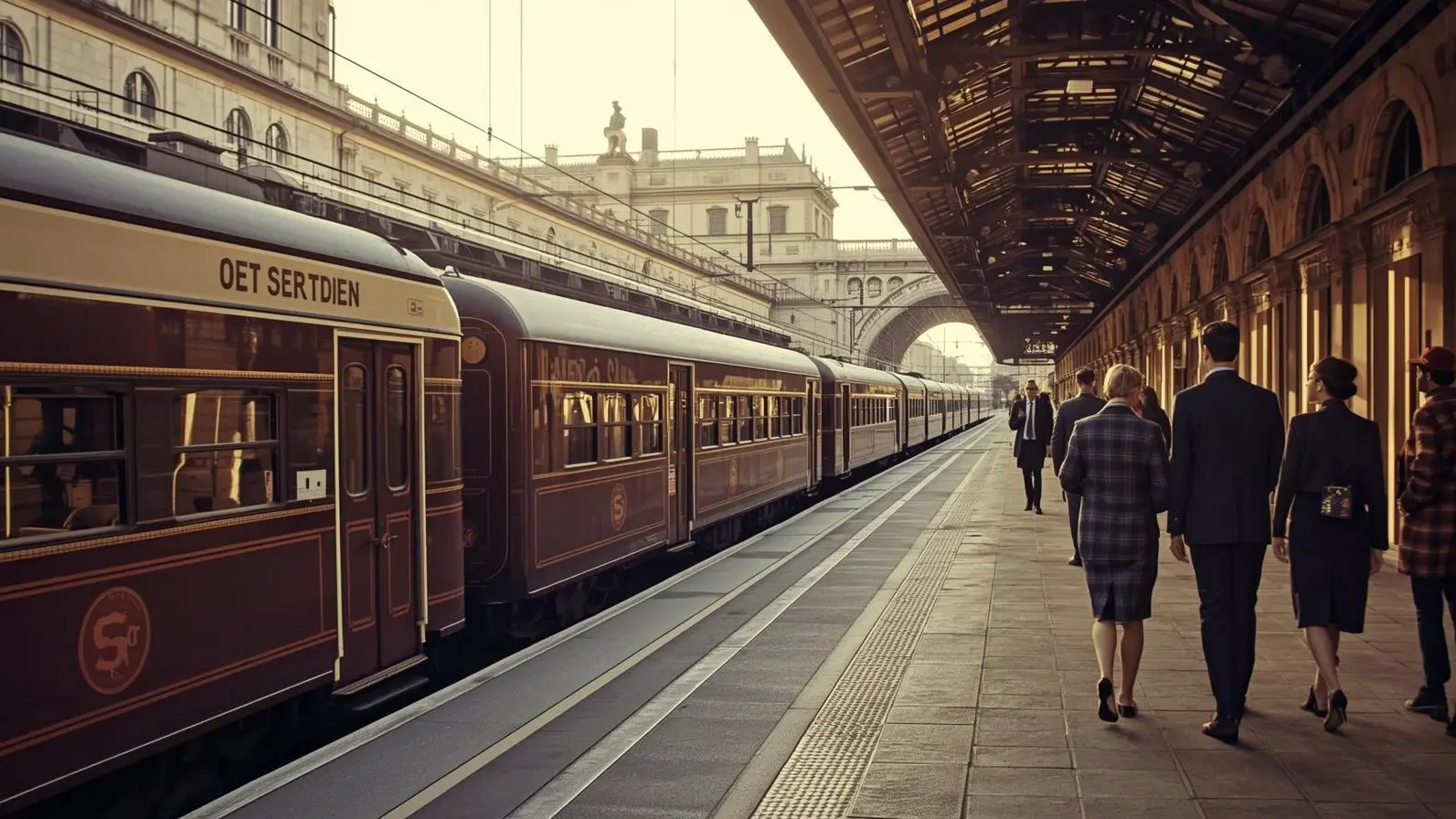
Traveling through Italy by train is an ideal choice for exploring this beautiful country. With a rail network that efficiently connects historic cities, coastal areas, and breathtaking mountain regions, getting around is easier than ever. High-speed trains dramatically cut travel times, while regional options provide budget-friendly access to smaller towns. This guide breaks down Italy’s train services, highlighting key routes, seat classes, ticket prices, and essential tips for travelers.
Why Choose Train Travel in Italy?
Italy's architectural marvels were crafted long before the automobile era, making many city centers compact and easily navigable on foot. By taking the train, you’re dropped right into city hubs, optimizing both time and cost compared to flying or driving. The country's rail system is not only dependable but also offers stunning views and ease of access for tourists and locals alike. Train journeys help you steer clear of tolls, fuel expenses, parking hassles, and the stress of airport logistics.
An Overview of Italy's Rail Network
Italy's rail services consist of two principal categories: high-speed trains for long journeys and regional trains for shorter distances. The service is managed by a mix of state-run and private enterprises, giving travelers a range of pricing and schedule options. Major rail hubs include cities like Rome, Milan, Florence, Venice, Naples, and Turin.
Understanding High-Speed Train Services
High-speed trains are the quickest and most comfortable means of traveling between major Italian cities. These trains operate on specialized tracks, reaching speeds up to 300 km/h. Two main services are Frecciarossa (Trenitalia) and Italo (NTV).
Popular High-Speed Routes and Timings
Travel durations include:
Rome to Florence: ~1 hour 30 minutes.
Rome to Milan: ~3 hours.
Florence to Venice: ~2 hours.
Naples to Rome: just over 1 hour.
Milan to Turin: under 1 hour.
These routes have largely supplanted flights for domestic travel considering their speed and convenience.
Comparing Frecciarossa and Italo Trains
Frecciarossa, operated by the national rail service, boasts extensive routes with frequent departure times. In contrast, Italo is a private competitor that offers modern trains at competitive rates with high service standards on key routes. Both services share similar comfort levels, free Wi-Fi, power outlets, and ample luggage storage. Pricing can vary, so comparing both options is advisable.
Seating Options on High-Speed Trenitalia
Italian trains provide several seating classes to meet all budgets and comfort standards.
Standard Class
This option is the most economical yet quite comfortable. Seats are spacious, air-conditioned, and suitable for most passengers.
Premium Class
Offers larger seats, extra legroom, and a quiet atmosphere. Light refreshments may be included based on the operator.
Business Class
Features more spacious seating and fewer passengers per carriage, providing a calm environment ideal for longer travel or business needs.
Executive Class
This is the premium selection with luxurious seating, added privacy, and full meal services, often more than leisure travelers require.
Regional and Intercity Travel Options
Regional trains link smaller towns and cities at lower costs, though at slower speeds. Intercity trains offer a balance between regional and high-speed travel, providing reserved seating and moderate travel times. Regional trains allow for flexible travel without the need for seat reservations.
Ticket Pricing Overview
Prices fluctuate based on distance, train type, class, and time of booking. Early booking for high-speed tickets offers the best deals, while regional train prices remain stable and reliable.
Sample high-speed fares:
Rome to Florence: €20 to €50.
Rome to Milan: €30 to €70.
Florence to Venice: €20 to €45.
Regional journeys range generally from €5 to €15.
Booking in advance can yield savings of up to 50% compared to last-minute tickets.
How to Purchase Train Tickets
Tickets may be acquired online, through mobile applications, at station counters, or via self-service kiosks. Digital tickets are broadly accepted, with mobile viewing typically sufficient. For regional train journeys, ensure that paper tickets are validated before boarding when necessary.
Luggage Policy on Italian Trains
Italian trains impose no strict limits on luggage. Passengers can place bags in overhead racks, between seats, or in designated areas. Larger suitcases are permitted, making trains convenient for those with multiple bags.
Seat Reservations and Travel Flexibility
High-speed and intercity trains do require seat reservations included in the ticket fare. Regional trains do not have assigned seating, offering flexibility but encouraging early arrivals during peak times.
Top Cities for Train Travel
Cities such as Rome, Florence, Milan, Venice, Naples, Bologna, and Turin have excellent high-speed rail connections. Trains are also effective for reaching destinations like Pisa, Verona, Siena, and Cinque Terre with short regional ties.
Scenic Routes Worth Traveling
Many train routes offer enrichment views. The Florence to Venice line, for instance, traverses picturesque countryside, while Naples to Salerno opens access to the Amalfi Coast. Northern routes leading toward the Alps provide stunning mountain vistas, especially in winter and spring.
Should You Choose a Train Pass?
Though train passes may appear enticing, they aren’t always economical in Italy unless you plan to travel extensively over several days. Early booked point-to-point tickets tend to be more straightforward and budget-friendly. Note that even pass holders need to pay for seat reservations on high-speed services.
When to Travel for Fewer Crowds
Train travel peaks on weekends, holidays, and throughout summer. Morning and evening trips tend to fill up quicker. Choosing to travel midweek during off-peak hours often results in an easier experience and lower fares.
Avoiding Common Travel Pitfalls
Failing to book high-speed tickets ahead could lead to surging prices. Boarding the wrong type of train can result in confusion. Neglecting to validate regional tickets might lead to fines. Always double-check train numbers and destinations.
Conclusion
The Italian rail system is swift, cost-effective, and traveler-friendly. High-speed options minimize long travel durations, while regional services unveil hidden treasures. With advance planning, choosing suitable seat classes, and basic route knowledge, train travel emerges as the optimal method for discovering Italy.
Disclaimer
This information serves purely for informative purposes. Schedules, pricing, and services may vary. Please confirm all details directly with the relevant railway services before finalizing any travel plans.