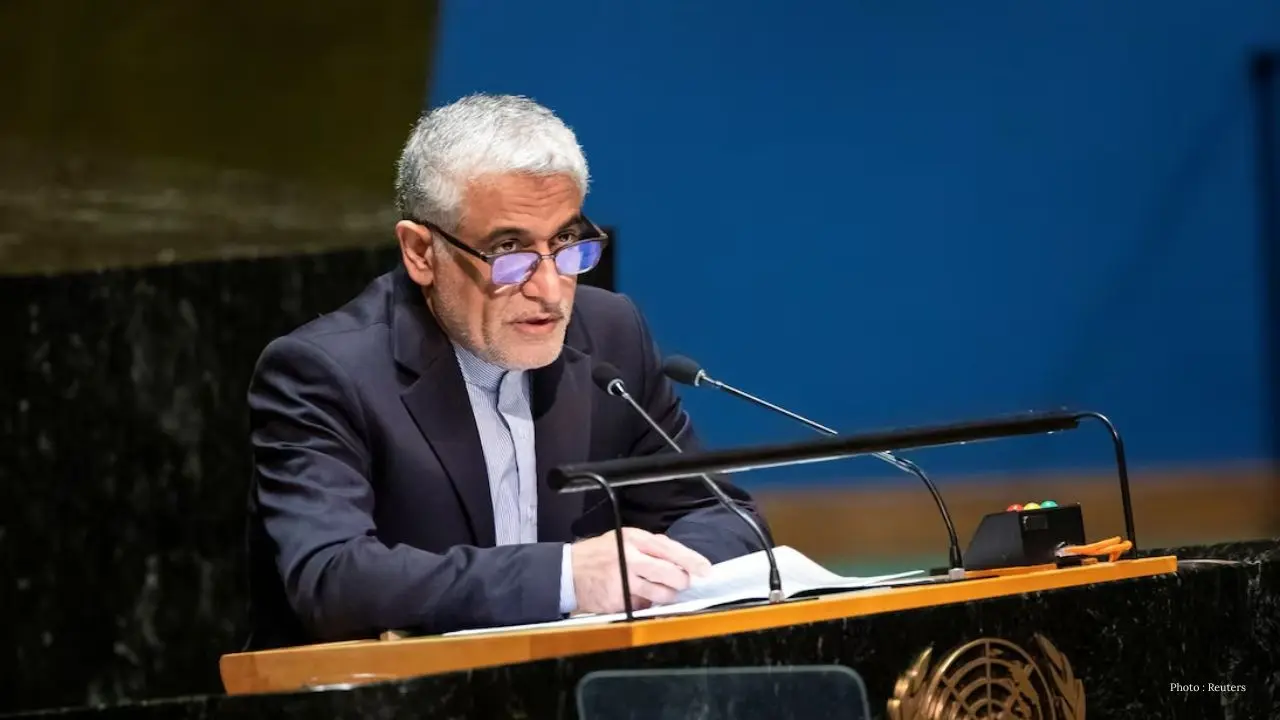
The United States is intensifying diplomatic outreach to its allies in response to increasing tensions surrounding Iran and the critical Strait of Hormuz. Recent talks by U.S. Secretary of State Marco Rubio with representatives from the United Kingdom and Australia highlight a collective effort to navigate the escalating situation in the Gulf region. Central to these discussions was the pressing need to assure the freedom of navigation in this vital maritime corridor, crucial for global oil transport.
Despite its modest size, the Strait of Hormuz is a pivotal waterway, facilitating nearly 20% of the world's oil and gas transit. Interruptions here could lead to significant fluctuations in global energy prices and economic disruptions. Growing fears of conflict are palpable as U.S.-Iran relations remain fraught with tension.
Post-discussions releases indicated that the U.S. is committed to “ongoing efforts to uphold the freedom of navigation” in the Strait, showcasing Washington's serious concerns regarding threats to international trade routes. The U.S. administration is urging its allies to maintain solidarity and collaborative strategies to preempt a larger regional crisis.
Reports suggest a noticeable deceleration in shipping activities through the Strait, as concerns about military tensions rise. Oil tankers and cargo vessels face heightened risks, with some opting to deactivate tracking systems to evade potential threats.
This developing crisis has implications for global oil markets as prices climb amid fears of supply disruptions should the waterway be compromised. Analysts caution that any prolonged closure of the Strait of Hormuz could result in extraordinary energy crises, particularly for nations heavily reliant on oil imports.
To ensure ongoing access to this essential sea route, the U.S. is striving to rally international support, with Britain and Australia emerging as critical partners due to their robust naval alliances with Washington. The recent diplomatic engagements suggest an effort to fortify cooperation ahead of potential escalations.
Conversely, diplomatic initiatives aimed at de-escalating tensions with Iran appear to be faltering. Reports indicate stalled peace negotiations between the two countries, with U.S. officials voicing concerns over Iran's reactions to American proposals, while Tehran demands sanctions alleviation and acknowledgment of its regional stance.
The repercussions of this crisis extend far beyond the Middle East. Global financial markets are responding nervously, and oil-importing nations are feeling the pressure, leading to currency fluctuations exacerbated by climbing fuel prices. For instance, India's rupee recently hit a historic low due to anxieties surrounding rising crude oil costs tied to the situation in the Gulf.
Industry analysts perceive the Strait of Hormuz as an emerging focal point in a larger geopolitical rivalry, involving not just the U.S. and Iran, but also significant global players like China, European states, and Gulf nations crucial to energy stability.
The escalating tensions also invoke concerns over potential military conflicts, with recent coverage on naval exercises, missile threats, and troop movements in the Gulf vicinity. While diplomatic efforts continue, the possibility of misunderstandings triggering abrupt warfare remains significant.
Although this crisis may seem distant to the public, its ramifications are far-reaching. Increased oil prices typically drive up transportation costs, which can lead to higher food prices and inflation. Developing nations may face the brunt of these shocks, prompting many governments to advocate for restraint and negotiations to prevent further destabilization.
The latest dialogue involving the United States, the UK, and Australia reflects heightened alarm among major powers regarding the Gulf's stability. With talks ongoing, the future of the Strait of Hormuz is uncertain, with the coming days being critical to determining whether diplomacy prevails or the region edges closer to a significant international crisis.