Embracing the Raw Elements
For many years, our lives have revolved around comfort. From climate-controlled environments to cozy homes, humanity has crafted a space devoid of discomfort. While this approach brought ease, it inadvertently diminished our capacity to withstand stress.
In response, the wellness movement is advocating a return to these natural extremes. All over the globe, people are voluntarily immersing themselves in icy waters, soaking in wooden saunas, and practicing thermal shock therapeutics. Rather than hardship, these intermittent exposure rituals are about training the body to adapt to stressors that enhance its innate capabilities.
The foundational idea is straightforward: fleeting moments of discomfort prepare us physically and emotionally. People are learning to engage with nature’s challenges rather than escape them.
The Desire for Conscious Discomfort
Contemporary living may be comfortable, but it is also rife with burnout and emotional fatigue. Humans have evolved within environments filled with challenges—cold water, scorching sun, and ever-changing climates. An overly cozy existence can leave us with an overstimulated mind and an underactive nervous system.
Cold and heat exposure helps restore equilibrium. Benefits include:
– a break from constant digital distractions
– control over breath and body
– enhanced emotional clarity through physiological adjustments
– a deeper connection to the present
– empowerment through managing stress
People are now pursuing conscious challenges instead of mere comfort.
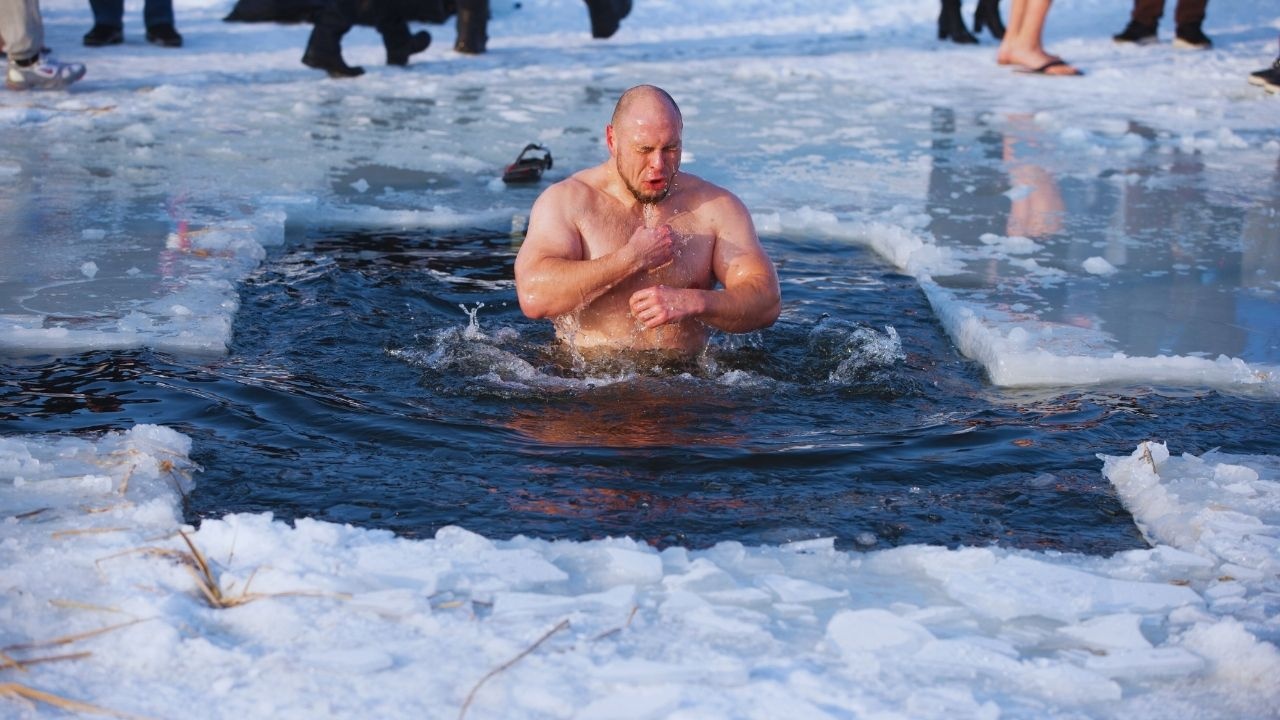
Cold Exposure: Immersed in the Icy Depths
Cold-water therapy has emerged as a global phenomenon. From the icy dips of the Nordics to the rushing rivers in the Himalayas and advanced cryotherapy chambers, this trend has flourished. But what draws individuals to freezing temperatures? It's a profound biological reaction.
Benefits of cold immersion include:
– increased endorphin production
– heightened alertness and adrenaline
– better blood flow
– immune system stimulation
– reduction of inflammation
– improved metabolic function
– sustained mental control post-stress
Participants often describe a journey: from the initial shock, through acceptance, to a state of euphoria. The cold strips away the mental clutter, leaving only awareness and breath.
In essence, cold therapy acts as a form of meditative reset for the nervous system.
Heat Exposure: The Resurgence of Saunas
While cold revitalizes, heat therapy helps dissolve tension. Saunas, steam rooms, hot springs, and sweat rituals span numerous cultures—be it Nordic, Turkish, Japanese, or others.
Heat exposure promotes:
– detoxification through sweating
– cardiovascular stimulation
– relief from muscle tension
– respiratory benefits
– emotional catharsis
– promotion of deep sleep
Heat encourages release rather than shock, fostering moments of silence and deep breathing.
Synergistically, heat and cold provide a balanced wellness approach—one invigorates, while the other soothes.
Hormesis: The Art of Positive Stress
The wellness community is enthusiastically adopting hormesis—the practice of gentle stress exposure for long-lasting resilience. Similar concepts exist in:
– intermittent fasting
– breath-holding techniques
– short bursts of high-intensity workouts
– mindful sun exposure
Cold and heat therapy align with this philosophy, demonstrating that stress can heal rather than harm.
When challenged adequately, the body emerges stronger than before.
Breathwork: The Connector of Mind and Temperature
Controlled breathing techniques are integral to both cold and heat therapies. Focusing on breath helps alleviate fear, boost concentration, reduce anxiety, and promote inner peace. Breath is the tool transforming extreme exposure into a contemplative journey rather than a struggle.
As individuals navigate discomfort, they also learn to manage life’s broader challenges through breath.
Mental Fortitude: Strengthening the Mind
Although cold and heat exposure involves physical practices, the true transformation lies in mental fortitude:
– facing panic with calm
– remaining grounded in stressful conditions
– developing emotional control
– cultivating bravery
– practicing patience amidst intensity
Participants frequently assert:
“If I can remain composed in ice, I can handle anything.”
The body becomes a teacher, while the mind takes on the role of a learner.
Releasing Emotions
Modern stress can manifest physically—tension in the shoulders, tight jaws, and shallow breaths. Cold stimulates the nervous system, while heat works to release this tension. Many individuals report emotional releases during sessions, including tears and laughter—a cathartic moment.
This isn’t vulnerability; it’s cleansing, a reset for emotional circuits.
Mental well-being now encompasses not just meditation and journaling, but a physical connection to experience, breath, and nature.
Building Community Through Shared Experiences
Ice baths and sauna sessions are evolving into communal rituals. Groups convene at various locales—beaches, rooftops, rivers, and wellness studios, sharing in collective challenges.
True connections are often forged in transformative experiences rather than mere comfort. Cold and heat rituals foster a tribe bound by breath, silence, and mutual breakthroughs.
This isn’t solely about fitness; it’s a revival of human connection.
The Intersection of City Life and Ancient Rituals
This trend embraces both urban and spiritual dimensions. Modern wellness centers now offer:
– thermal contrast treatments
– organized ice-bathing events
– sauna meditation groups
– rooftop cold plunges
– breath-and-cold training sessions
– integrated spa and sauna experiences
Urban stress meets ancestral healing. Serenity encounters stimulation. Ancient practices merge with contemporary designs.
The wellness journey transforms into both a ritualistic and lifestyle choice.
Integrating Therapy into Everyday Life
More individuals are now weaving simple thermal habits into their daily routines:
– cold showers
– alternating hot-cold taps
– morning ocean dips
– backyard ice baths
– visits to steam rooms
– joining sauna clubs
The focus lies not on intensity but on consistency. A few minutes each day can develop into a lifelong practice.
Just as morning runs once defined fitness culture, morning ice dips are emerging as the new discipline for wellness enthusiasts.
Connecting with the Spiritual
Exposure to extremes of cold and heat links us back to elemental forces—water, fire, breath, and earth. Experiencing nature's power brings grounding. Spiritual seekers often describe:
– an ego-less state
– trust in nature’s force
– deeper life appreciation
– heightened awareness
– transformative energy shifts
In the chill and heat, artifice dissolves, revealing the authentic self.
Prioritizing Safety in Practice
These methods pack significant power and, like all wellness practices, require careful, safe implementation. Gradual exposure, hydration, attentiveness to one’s body, and consulting professionals are crucial for reaping benefits.
Listening to the body's cues is paramount—this should not feel like a competition.
Self-respect takes precedence over self-imposed hardship.
Final Thoughts
Intermittent exposure therapy is more than a trend; it’s a return to foundational wisdom. It highlights that the body flourishes through challenges, the mind grows through mindfulness, and the spirit awakens when comfort diminishes.
Cold sharpens clarity.
Heat nurtures the spirit.
Breath centers the soul.
In a world optimized for ease, we’re rediscovering the transformative power of adversity—not as suffering, but as evolution. Wellness is transitioning from mere stress avoidance to mastery over it.
The future of health may extend beyond conventional gyms and diets. It might encompass elements like breath, ice, heat, water, earth—and the tranquility to endure through them.
Disclaimer:
This article is designed for informational and editorial purposes only. Cold-heat exposure may not be appropriate for everyone. Individuals with health issues or sensitivities should seek professional medical advice before initiating such practices. It’s important to gradually build tolerance and follow safe practices.