China and Iran held important diplomatic talks in Beijing as international pressure continued to grow over the ongoing Strait of Hormuz blockade, which has disrupted global shipping and raised fears about energy security and economic stability. Iranian Foreign Minister Abbas Araghchi met Chinese Foreign Minister Wang Yi during a critical period for the Middle East, with tensions between Iran and the United States remaining extremely high. The talks came just days before US President Donald Trump’s scheduled visit to Beijing, where the Hormuz crisis is expected to be a major topic of discussion.
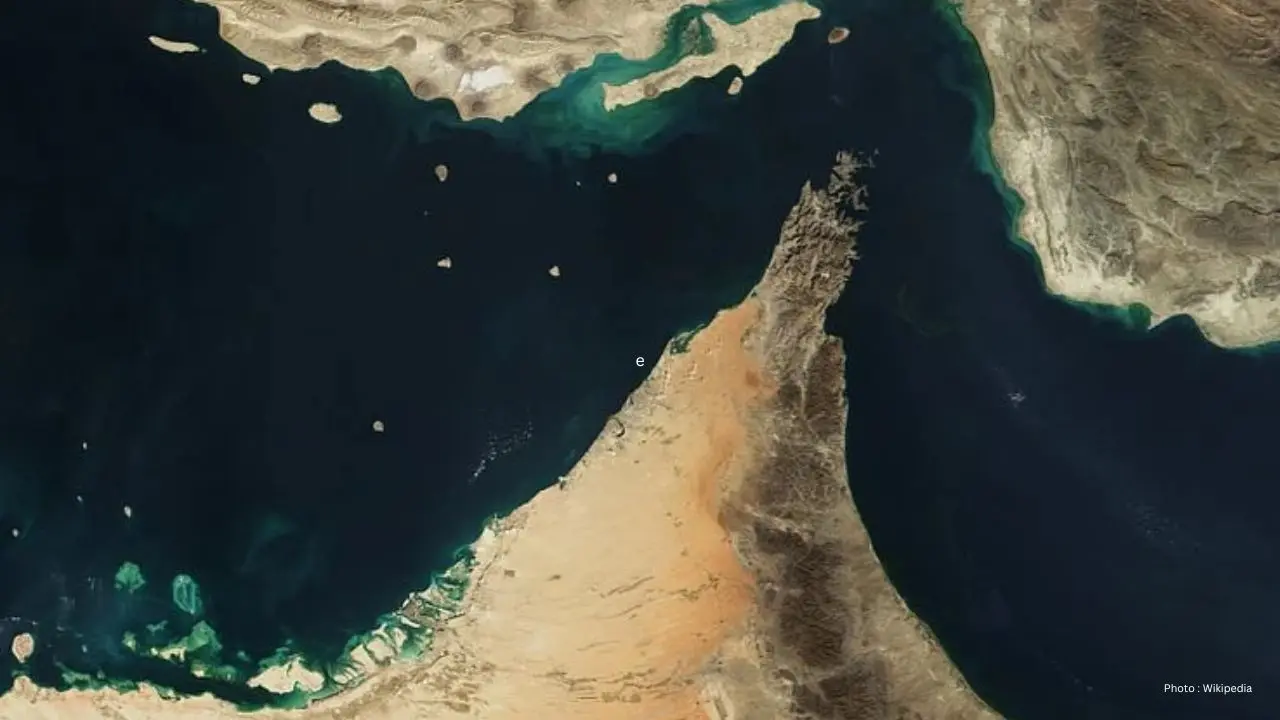
The meeting focused heavily on the situation in the Strait of Hormuz, one of the world’s most important oil shipping routes. Around one-fifth of the world’s oil and gas supply passes through the narrow waterway, making it critical for global trade and energy markets. Iran effectively restricted movement through the strait after conflict with the United States and Israel escalated earlier this year, leading to serious concerns over fuel prices, shipping delays, and economic pressure on many countries.
Chinese state media reported that both sides discussed ways to reduce tensions and stabilize maritime trade routes. China, which is one of Iran’s closest strategic partners and also one of the largest buyers of Iranian oil, has a major interest in keeping energy supplies moving safely through the region. Beijing has repeatedly warned that prolonged instability in the Strait of Hormuz could damage the global economy and create further pressure on international markets.
The diplomatic meeting took place as the United States continued increasing pressure on Iran to reopen the waterway. US Secretary of State Marco Rubio recently called on China to use its influence over Tehran and push Iranian leaders toward ending restrictions in the strait. Rubio stated that Iran’s actions were causing international isolation and hurting countries that depend heavily on energy imports through Hormuz, including China itself.
At the same time, President Donald Trump announced a temporary pause in “Project Freedom,” a US-led naval operation designed to guide commercial ships safely through the Strait of Hormuz. Trump said the pause was intended to create space for diplomacy and possible peace negotiations with Iran. However, American officials clarified that the broader blockade measures against Iranian ports would remain active while negotiations continued.
China has tried to balance its support for Iran with calls for de-escalation in the region. Beijing has criticized the US naval blockade on Iranian ports while also quietly encouraging Tehran to avoid further escalation. Analysts believe China is attempting to protect its long-term economic interests by preventing a larger regional conflict that could threaten energy supplies and trade routes connected to Asia.
Reports suggest that China has also been involved in broader diplomatic efforts with Pakistan and other regional countries to reduce tensions between Washington and Tehran. Earlier proposals from China and Pakistan called for peace talks, ceasefire efforts, and the restoration of normal navigation through the Strait of Hormuz. International observers say Beijing’s growing diplomatic role highlights its increasing influence in Middle East affairs.
Despite ongoing talks, the situation in the Gulf region remains fragile. Hundreds of commercial ships have reportedly faced delays due to security concerns, while oil markets continue reacting to every development linked to the blockade. Experts warn that any further escalation could affect fuel prices worldwide and increase pressure on global economies already facing inflation and trade uncertainty.
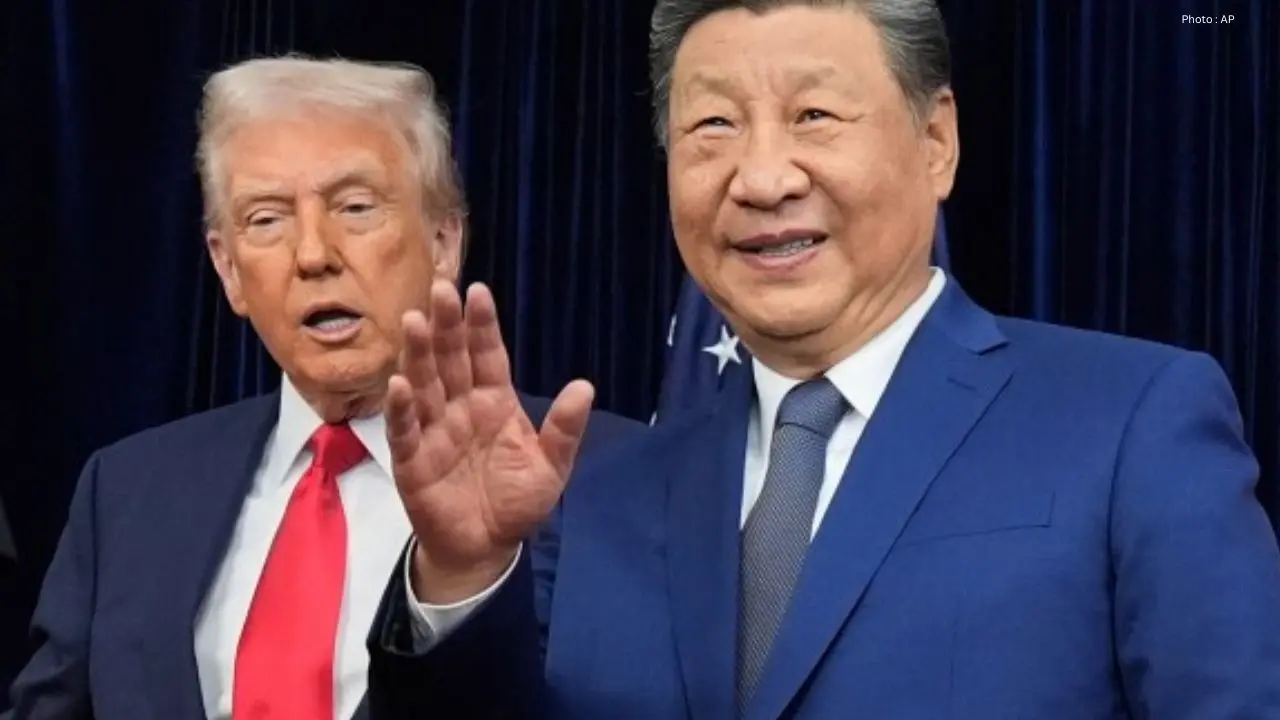
The Beijing meeting between China and Iran is being viewed as a significant diplomatic step as world powers continue searching for a peaceful solution to the Hormuz crisis. With President Trump expected to meet Chinese President Xi Jinping next week, many governments are closely watching whether diplomatic discussions can reduce tensions and help reopen one of the world’s most important maritime trade routes.