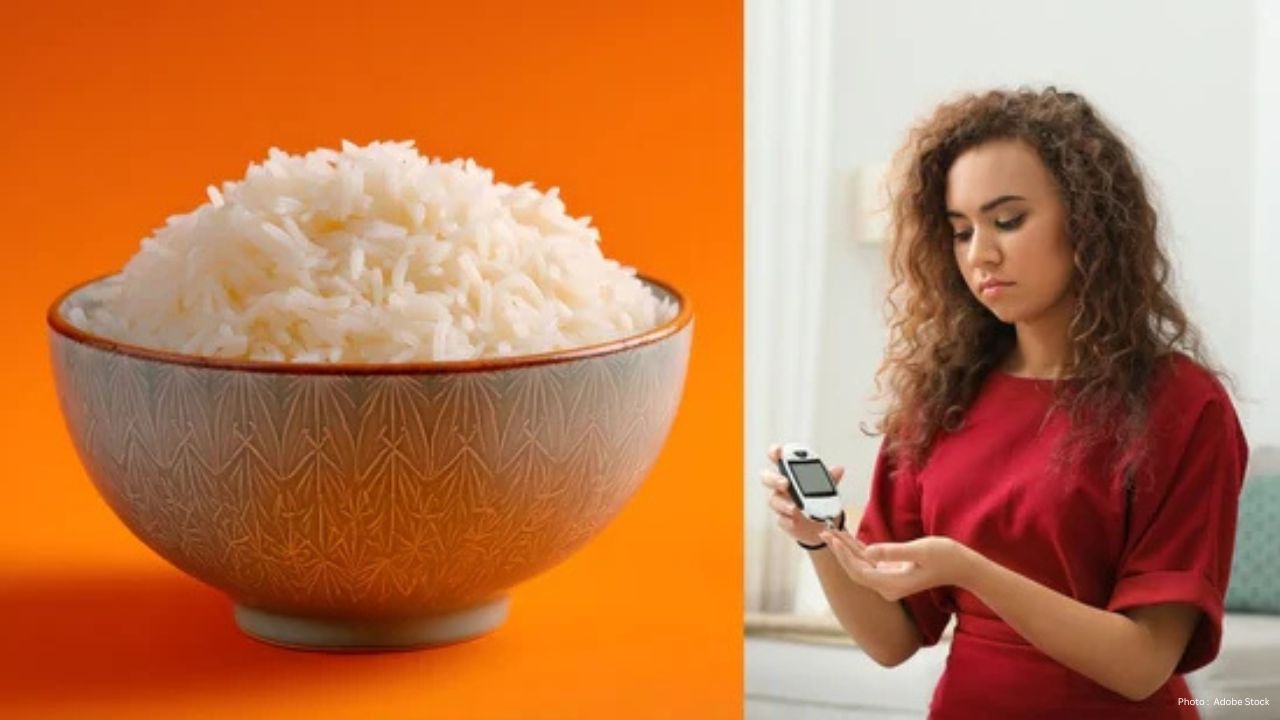
Rice is comfort on a plate for many households, yet those watching blood sugar often feel conflicted. A simple kitchen habit—cooling or freezing cooked rice before reheating—has drawn attention as a way to make rice a little gentler on the body. Nutrition and medical experts say there is science behind the culinary tip.
When rice is cooked, then cooled and later reheated, some of its starch rearranges into a form called resistant starch. This variety resists rapid digestion, behaves more like dietary fiber and can temper the speed at which glucose reaches the bloodstream.
How Cooling Changes Rice
Endocrinologist Dr. Manoj Agarwal of Shalby Hospital and nutritionist Rashi Chahal from Fortis La Femme note that cooling prompts a physical shift in the starch molecules. Chahal explains that as rice cools, portions of easily digestible starch convert into resistant starch, which is absorbed more slowly and produces a gentler blood-sugar response.
Dr. Agarwal says the transformation doesn’t eliminate starch, but it does make rice somewhat kinder for people managing diabetes or insulin resistance.
Real‑World Impact on Blood Sugar
Evidence suggests the effect is modest: cooled and reheated rice can reduce post-meal blood-sugar surges by roughly 10–20 percent. It’s a meaningful improvement for some, but not a substitute for broader treatment or diet measures.
The doctor emphasizes safe handling: refrigerate cooked rice within two hours and reheat thoroughly before eating to protect both food safety and the beneficial starch structure.
Does It Make Rice 'Healthy'?
Lowering the glycemic impact of rice by cooling does not change its calorie or carbohydrate content. Chahal cautions that this practice helps slow digestion and promote fullness, but portion control and balanced meals remain essential.
Dr. Agarwal agrees, reminding readers that cooling rice is a helpful habit, not a replacement for medications, exercise or an overall healthy routine.
Which Rice Is Best for This Trick?
Benefits vary by rice variety. Chahal recommends basmati or other long‑grain types because they typically contain more amylose, a starch fraction that more readily shifts into the resistant form when cooled. Brown rice already has extra fiber, while parboiled rice has a different starch profile that can also be advantageous.
Regardless of type, proper storage matters: keep cooked rice in an airtight container in the refrigerator rather than at room temperature.
Food Safety First
Both experts warn about the risks of leaving rice out too long. Bacillus cereus, a bacterium that can cause foodborne illness, can grow in rice left at room temperature. Dr. Agarwal advises refrigerating cooked rice within two hours and reheating it thoroughly before eating.
He also reiterates that cooling alters digestion, not calories or carbs—so it shouldn’t be taken as a licence to overindulge.
Extra Perks Beyond Blood Sugar
Resistant starch can support gut health by feeding beneficial bacteria and acting like a prebiotic. Chahal notes it may reduce inflammation, aid digestion and help with feeling full, which can support weight management.
Because resistant starch is digested slowly, it can help curb appetite between meals—a modest but practical nudge toward healthier eating.
The Takeaway
Cooling or freezing rice before reheating won’t make it a miracle food, but it can produce a small, real change: some starch becomes resistant, slowing digestion and reducing blood‑sugar spikes. Done correctly—stored promptly and reheated well—this is a safe, simple step for people who enjoy rice but are mindful of their glucose levels.
As Dr. Agarwal puts it, this is a practical tip for rice lovers who worry about blood sugar: follow safe storage practices, enjoy sensible portions and keep it part of a balanced lifestyle.