Is Celebrity Wellness Advice Realistic?
Scrolling through social media may lead you to spot influencers with pristine kitchens and plates devoid of oil, spice, or sugar—often devoid of joy as well. Trends built from one celebrity's interview can rapidly morph into dietary rules, where turmeric is suddenly vilified, and salt is perceived as a poison.
This rising obsession with extreme "clean eating" suggests that health is rooted in constant limitations. Perfect meals seem to equate to bland, joyless plates, proposing that the enjoyment of food is a weakness.
For typical families balancing jobs, education, and meal prep, the pressing concern is:
When does the pursuit of wellness become detrimental?
The Origins of Celebrity Diet Culture
The Performance of Health
In the world of celebrity, diet isn't just a choice; it's part of their persona. Health routines like sugar-free breakfasts and oil-free lunches aren’t just personal; they're promotional tools.
Content creators further amplify this narrative. Every meal is content, every dietary choice a teachable moment. However, what often goes unsaid is this:
Celebrities do not eat like typical families.
They have:
Imitating celebrity diets without the same support can lead to imbalance rather than improved health.
The ‘No Oil, No Spice’ Trend Unveiled
When Flavor Turns Foul
In today's wellness discussions, "strong flavors" often get mistakenly labeled as "unhealthy." Oil is treated as if it’s harmful, spices are seen as irritating, and salt is viewed as sinful.
Meals get reduced to:
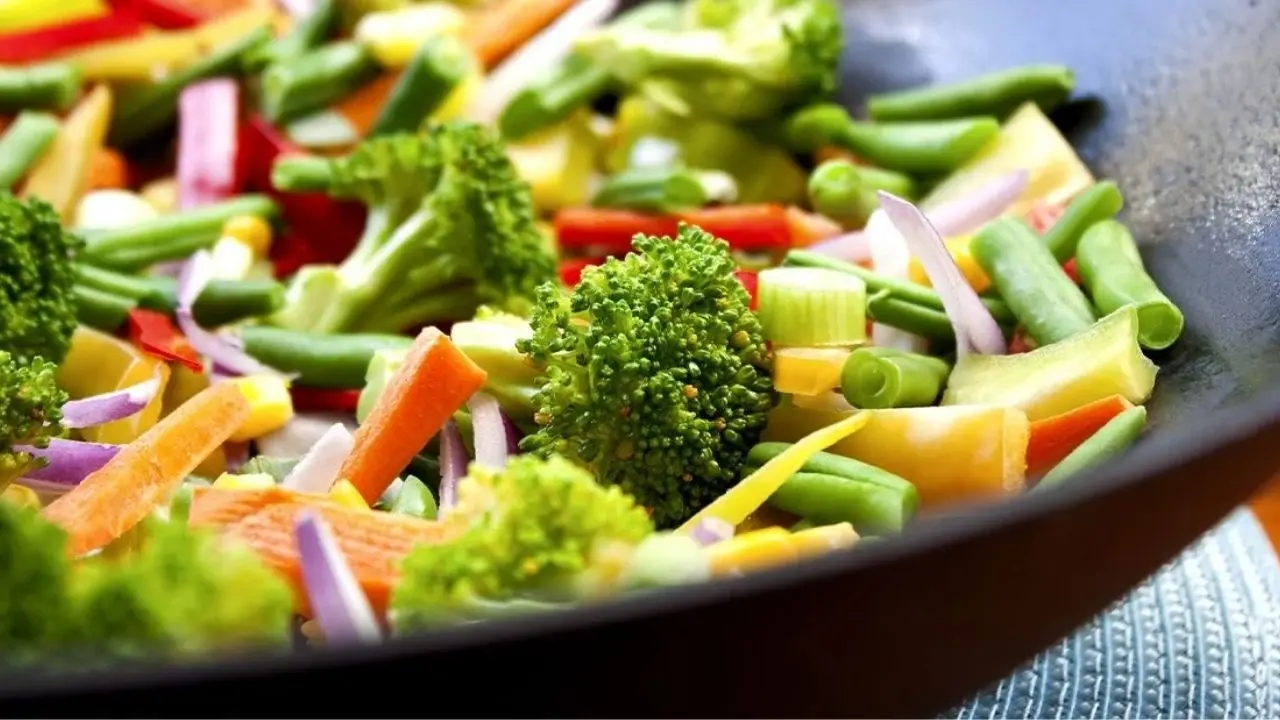
Steamed vegetables
Simple grains
Dry proteins
Raw salads regardless of season
Smoothies replacing meals
Flavorless steamed dishes
Food is reduced to mere calories, stripping away its cultural significance and emotional satisfaction.
For those raised with beloved family recipes, this raises unsettling questions:
Is flavor truly hazardous?
Is scent unhealthy?
Is oil really malevolent?
The answer is a resounding no.
The core issue isn't whether you employ oil or spices; however, it revolves around the amount and the frequency of use.
Scientific Insights on Oil
Oil Isn’t the Bad Guy
Quality fats are essential for bodily function:
Hormonal synthesis
Vitamin absorption
Cognitive abilities
Joint lubrication
Skin vitality
Avoiding oil entirely can:
The emphasis should be on moderation—not absence.
A teaspoon of oil in a dish nourishes; a daily deep-fried, oil-soaked meal does not.
That's a significant distinction.
Debunking the Myths Around Spices
Spices Are Allies, Not Enemies
Traditional cooking isn't merely about taste; it optimizes digestion, bolsters immunity, and provides warmth.
Herbs like turmeric, ginger, cumin, and garlic:
Labeling spices as harmful, due to celebrities' preferences for blandness, dismisses centuries of culinary knowledge.
Unless diagnosed otherwise, spices should not be viewed as foes—they’re great allies when utilized correctly.
When ‘Clean Eating’ Becomes Disordered Eating
Pointing Out the Dangers
"Healthy" turns toxic when:
Food induces anxiety
Eating evokes guilt
Hunger goes unheeded
Social dining experiences are shunned
Strict rules manipulate hunger feelings
Pleasure in food diminishes
This narrative illustrates how control over diet leads to emotional distress.
Extreme clean eating generates:
A wellness approach should simplify, not complicate, life.
Why Families Feel the Pressure
Collective Dining Dynamics
While celebrities often eat just for themselves, families prepare meals for everyone, incorporating:
Implementing strict dietary norms disrupts:
When one person declares,
"We only eat bland now,"
The effects ripple through the entire family.
Let health promote familial unity; it shouldn't create divisions.
The Impact on Children
Why Extreme Dieting Harms Young Minds
Children adopt food behaviors from their homes.
If they grow up believing:
Food must be dreaded
Enjoyment is forbidden
Hunger indicates frailty
Flavor is harmful
This confusion carries into adulthood.
Kids require:
Children devoid of joyous food experiences often struggle later in life.
The Class Divide in Wellness Trends
Wellness Requires Resources
The concept of celebrity wellness suggests:
In contrast, everyday families must navigate:
A wellness outlook that ignores these realities becomes a performance—far from genuine health.
The Myths of ‘Detox’ and ‘Cleanse’
Your Body Already Does It
Your liver doesn’t require juice cleanses.
Your kidneys aren’t interested in trendy smoothies.
Your body has its own detox systems.
Rather than spending money on dubious detox methods:
No elimination of spices is needed.
What Healthy Eating Should Be
Choose Balance Over Extremes
True healthy eating isn’t about impressiveness; it’s about practicality.
It incorporates:
Cooked meals
Moderate use of oils
Daily servings of vegetables
Natural spices for flavor
Simple grains
Adequate protein intake
Room for occasional indulgence
If your eating habits don’t allow for:
Festivities
Family gatherings
Shared desserts
Cultural dishes
Joy in eating
Then it’s not sustainable.
Guidelines for Wise Eating Without Extremism
Smart Tweaks for Effective Solutions
Rather than outright eliminating oil:
Moderate its quantity.
Instead of banning spices:
Adjust levels of heat.
Instead of cutting sugar:
Refine timing.
Instead of removing salt:
Regulate serving sizes.
Instead of forbidding foods:
Manage frequency.
Wellness is about balance—never restriction.
Signs You Might Be Going Overboard
Reflection Checklist:
You dread eating out
Food brings feelings of guilt
Children resent mealtime
Cooking feels like a burden
You become annoyed with others' dietary choices
Flavor begins to evoke shame
Eating becomes rule-driven, not need-based
This indicates a shift from health to obsession.
Culture Encompasses Nutrition
Food Defines Identity
Each cuisine narrates a story.
Forgetting food traditions in the name of trends erases:
Memories
Comfort
A sense of belonging
Heritage
Achieving health does not sync with distancing from culture—it flourishes within it.
Insights Celebrities Often Withhold
Behind the scenes, they also:
Avoid blindly emulating what you see.
Focus on what works for you.
In Conclusion: Health Doesn’t Have to Mean Sacrifice
When wellness overshadows flavor, family, and comfort, it’s no longer true wellness.
It becomes a performance.
Health should:
Empower your body
Soothe your mind
Nurture your family
Honor your culture
Permit joy
Living by “no oil, no spice” isn’t a superior way of life.
It’s merely one choice—never a mandate.
True wellness nurtures more than just your body.
It enriches your entire existence.
Disclaimer:
This article serves informational purposes and should not be a substitute for professional nutritional advice. Dietary needs differ based on individual health conditions, age, and lifestyle. Always consult with qualified healthcare professionals for personalized guidance.