Avoiding Papaya: Who Needs to Be Cautious and Why
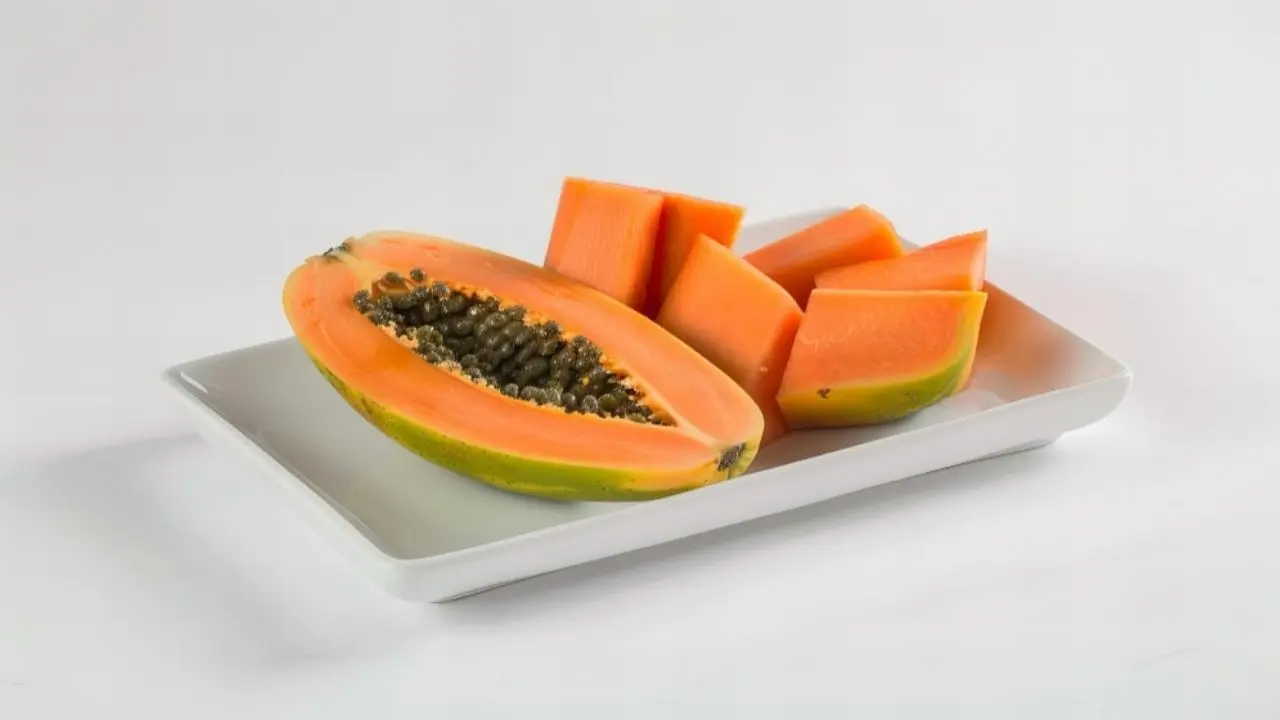
Papaya is a beloved tropical delight known for its sweetness, soft texture, and digestibility. Many enjoy it for its digestive benefits, immunity boost, and skin health support. Common in breakfasts or as a light snack, it’s a go-to for many.
However, not everyone can enjoy papaya safely. Some individuals might experience discomfort or even severe reactions due to natural compounds in the fruit. Thus, understanding who should steer clear of papaya is crucial.
This article will clarify who should be aware of potential risks associated with papaya consumption.
Understanding Papaya Sensitivities
While papaya contains enzymes that aid digestion, they can also provoke reactions in sensitive individuals. The primary culprits include:
1. Papain
Papain is a potent enzyme found in raw or unripe papaya that assists digestion, but may irritate those with delicate stomachs.
2. Natural Latex
Unripe papaya contains natural latex, which can trigger adverse reactions in some.
While beneficial for many, these components can lead to allergies or discomfort for others.
Who Should Avoid Papaya?
Below is a list of groups that should exercise caution or completely avoid papaya:
1. Pregnant Women – Especially in Early Stages
Unripe papaya contains latex, which can induce contractions and pose risks in early pregnancy.
Possible impacts:
Many healthcare providers recommend avoiding papaya altogether during pregnancy.
2. Latex Allergy Sufferers
Individuals with latex allergies may not realize that papaya also harbors natural latex, which can cause:
Those with a known latex allergy should avoid papaya strictly.
3. Individuals with Kidney Issues
Rich in potassium, papaya can pose risks for those with kidney problems as excess potassium cannot be adequately eliminated.
Potential concerns:
Patients should consult their doctors before including papaya in their diets.
4. Diabetic Individuals (If Overindulged)
Although it’s gentler than many treats, papaya’s natural sugars can contribute to blood sugar spikes if consumed excessively.
Potential effects:
Diabetics can enjoy a small portion, but moderation is key.
5. Those with Delicate Digestion
While papaya aids many in digestion, its potent enzymes might upset the stomach in individuals with:
Possible symptoms:
Gas
Acidity
Bloating
Loose stools
If you experience discomfort from papaya, it’s advisable to avoid it.
6. People on Specific Medications
Certain medications may have interactions with papaya, such as:
Blood thinners
Heart rhythm medications
Strong digestive meds
These interactions may alter the effectiveness of medications or lead to side effects; consult your doctor.
7. Post-Surgery Patients
Medical professionals may suggest avoiding papaya after significant surgeries, as its enzymes might disrupt healing.
Possible Side Effects from Eating Papaya
Even healthy individuals could face challenges if they consume excess papaya or have adverse reactions.
Common side effects may include:
If symptoms arise, papaya consumption should cease immediately.
Is Papaya Safe for Children?
Certainly, ripe papaya is safe for kids in limited amounts.
However, raw papaya and papaya seeds should be avoided due to potential stomach discomfort.
Alternative Fruits for Papaya-Avoiders
For those needing to skip papaya, gentler fruit options include:
Apples
Pears
Oranges
Bananas
Watermelon
Guava
Grapes (in moderation)
These fruits offer safer alternatives suitable for most.
Handy Tips for Safe Papaya Consumption
If papaya is suitable for you, consider these tips for safe consumption:
Opt for fully ripe papaya
Do not pair with heavy or oily meals
Avoid seeds unless recommended
Always clean the fruit before cutting
Store in a cool and clean location
Papaya can be enjoyed as a delicious and nutritious fruit but isn’t suitable for all. Pregnant women, those with latex allergies, kidney issues, diabetics, and individuals with delicate digestion need to be cautious. Understanding your health needs is paramount before incorporating papaya into your diet.
Disclaimer
The content of this article is intended for informational purposes only and should not substitute professional medical advice. Anyone with medical conditions or on long-term medication should consult a healthcare professional prior to including papaya in their diet. The publisher cannot be held accountable for any health complications arising from self-diagnosis or dietary choices made based on this material.