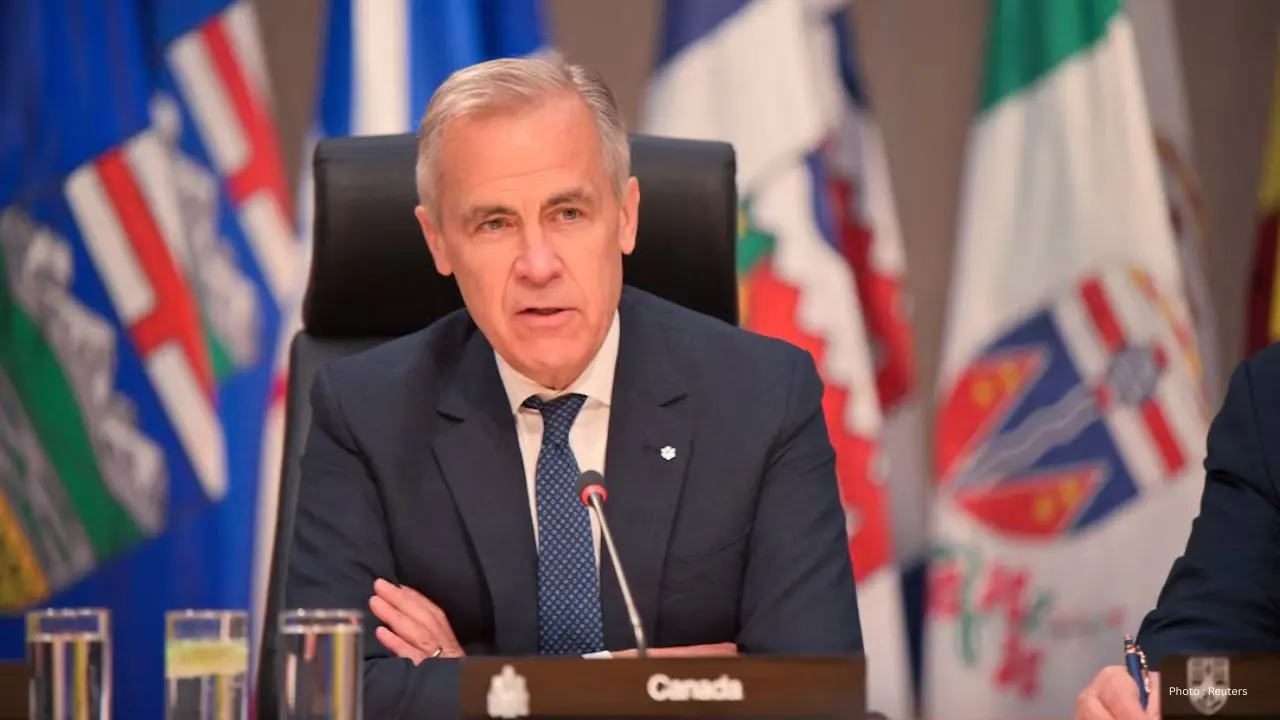
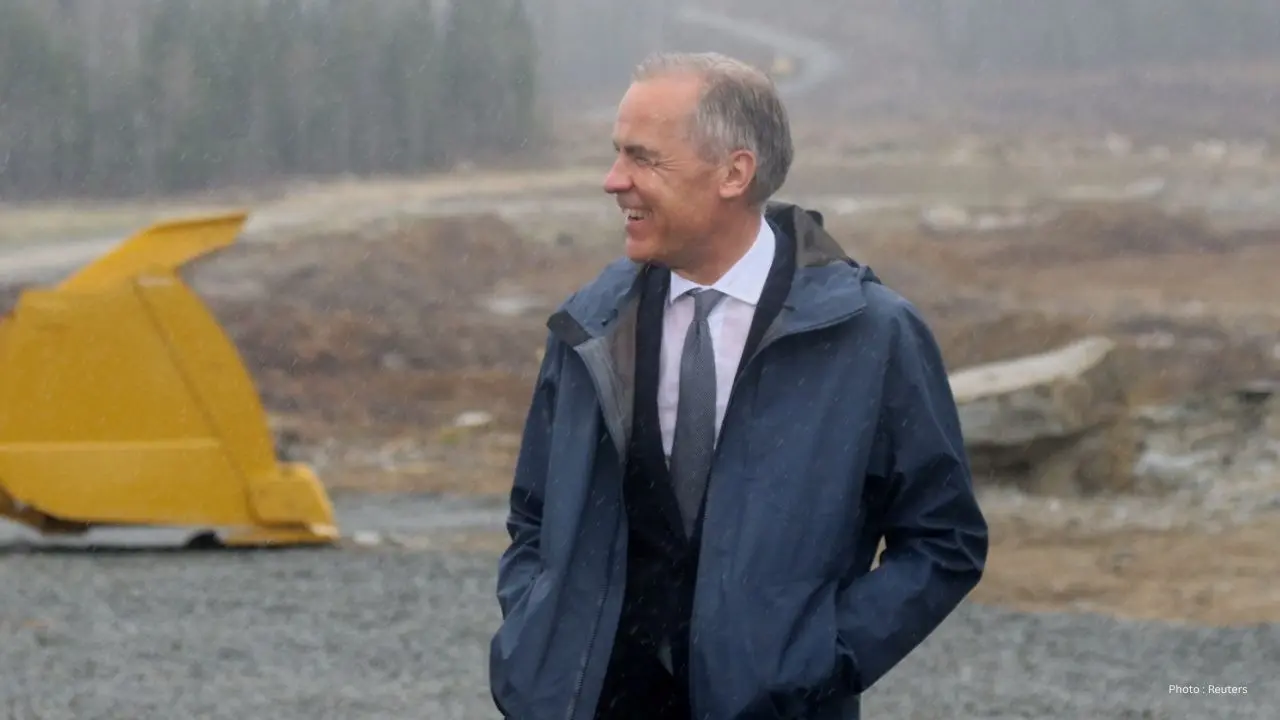
Canadian Prime Minister Mark Carney defended his government’s plans for new trade corridors and possible pipeline expansion during a business event in Vancouver, saying Canada needs to focus more on solutions and economic growth rather than constant opposition. Speaking to an audience hosted by the Greater Vancouver Board of Trade, Carney said the country must improve its infrastructure and strengthen trade routes if it wants to reduce dependence on the United States and expand exports to global markets.
During the discussion, Carney responded to growing criticism from environmental groups and political opponents over a proposed oil pipeline project that could connect Alberta’s energy sector to British Columbia’s Pacific Coast. According to reports, he told the audience that Canadians are hearing too much about what people oppose instead of what they support. He stressed that the country needs practical development plans that can create jobs, improve trade, and increase economic resilience.
Carney explained that Canada has “fallen way behind” in port productivity and transportation infrastructure. He said delays at ports and weak rail connections are hurting the movement of goods across the country. The Prime Minister added that improving these trade corridors has become a major national priority because Canada wants to diversify exports beyond the American market. His government aims to significantly increase non-U.S. exports by 2035 through investments in transportation, shipping, and energy infrastructure.
The possible pipeline project has become one of the most debated political issues in Canada in recent weeks. The proposed plan could transport at least one million barrels of Alberta oil per day to international markets through British Columbia’s coast. Carney has said federal support for the project would only move forward under certain conditions, including carbon capture investments, consultations with Indigenous communities, and fair economic compensation for British Columbia.
However, environmental organizations and some political leaders continue to strongly oppose the project. Critics argue that increased oil tanker traffic and pipeline expansion could damage marine ecosystems and threaten endangered species such as southern resident orcas along the Pacific coast. Conservation groups have warned that weakening environmental reviews for large infrastructure projects could create long-term environmental risks.
Despite the criticism, Carney’s government continues to present the pipeline discussion as part of a larger strategy to build Canada’s economy and strengthen national trade independence. Supporters of the project believe it could help Canada access growing Asian energy markets and reduce reliance on U.S. trade routes, while opponents say environmental protection and Indigenous rights should remain the top priority before any approval is granted.