Canada is entering a new era of environmental policies. The country is moving away from consumer carbon taxes and focusing more on industrial emissions and reducing plastic waste. These changes aim to balance economic needs with the goal of a cleaner, greener future.
Consumer Carbon Tax Ends
On April 1, 2025, Canada removed the federal carbon tax on consumers, which had been in place since 2019. This led to lower gasoline prices across the country, with some provinces seeing reductions of up to 15 cents per litre. Families also received rebates, such as a $302 payment to a family of four in Ontario.
The decision came after growing public concern over the impact of the tax on daily living costs. Prime Minister Mark Carney explained that policies need to work effectively for people, and changes were necessary to reduce financial pressure on Canadians.
Focus on Industrial Emissions and Green Investments
Even though consumer carbon taxes ended, large industries continue to pay carbon pricing. This approach targets the biggest polluters while easing the burden on regular citizens. The government is also investing in renewable energy projects, clean technologies, and green growth initiatives to support long-term sustainability.
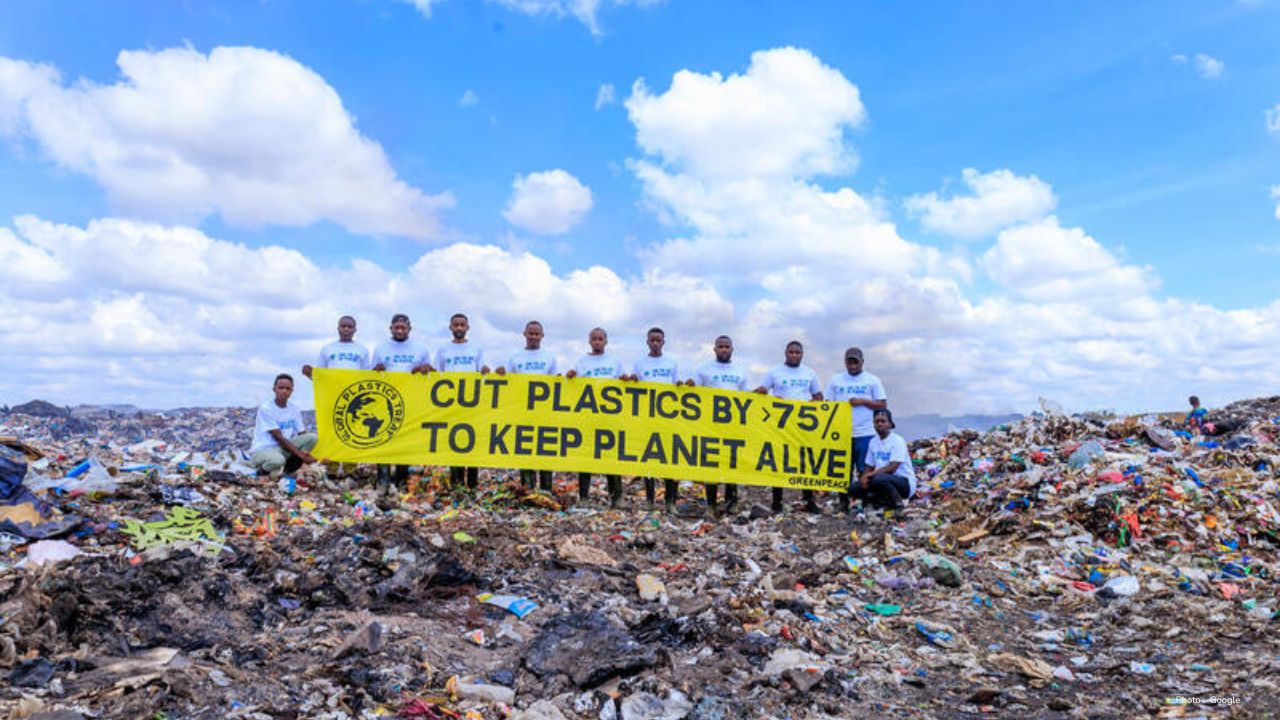
Moving Toward Zero Plastic Waste by 2030
Canada is also intensifying its fight against plastic pollution. The government plans to achieve zero plastic waste by 2030. This includes banning six single-use plastic items: grocery bags, straws, stir sticks, six-pack rings, cutlery, and hard-to-recycle food containers.
The aim is to create a circular economy where materials are reused and recycled. This reduces environmental harm and promotes sustainability across industries and communities.
Balancing Environment and Economy
These policy changes show that Canada wants to protect the environment while considering economic realities. Removing the consumer carbon tax helps citizens with their daily expenses, while industrial carbon pricing and plastic bans push for cleaner practices.
The success of Canada’s green policies will depend on proper implementation and cooperation from both businesses and citizens. If done correctly, the country can lead in sustainability while keeping life affordable for its people.