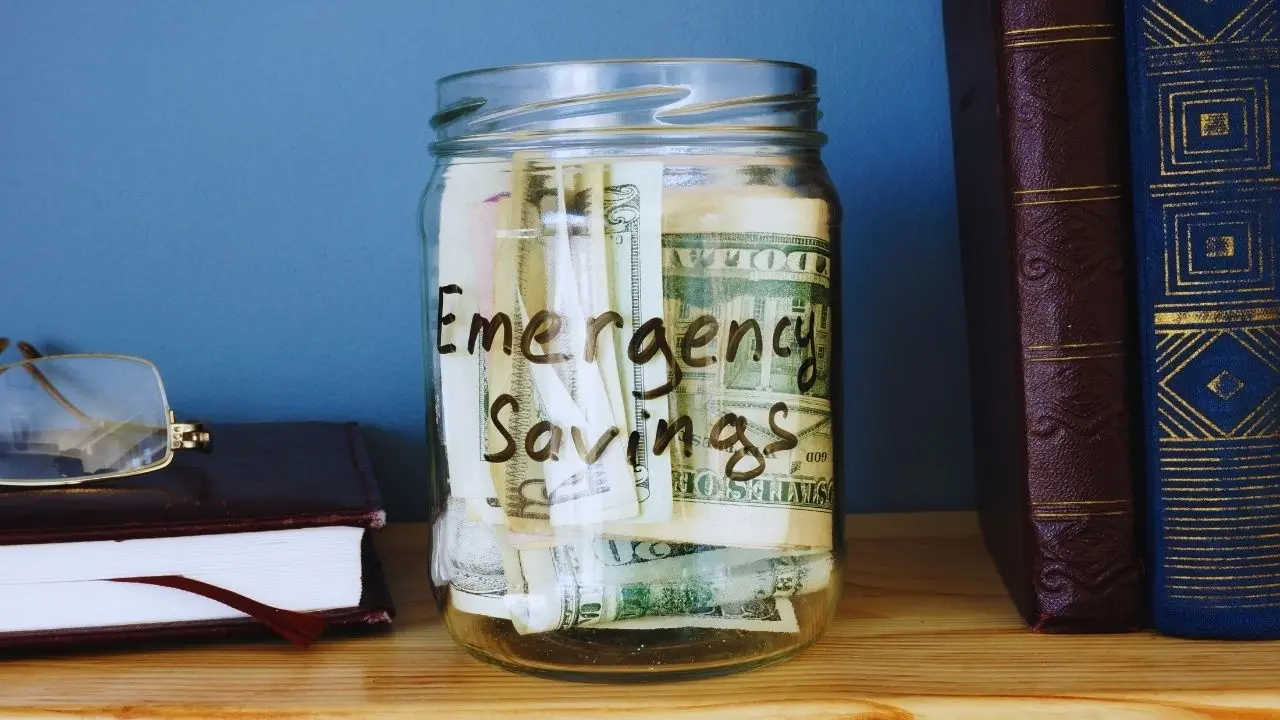
Why “I’ll Save Later” Is the Most Expensive Thought
When money is tight, saving feels like a luxury. Rent, groceries, school fees, medical bills, data plans—everything demands attention today. The future can wait.
Until it doesn’t.
A job loss. A medical emergency. A broken phone. A sudden move. A family issue. Life doesn’t schedule problems around payday—and when you don’t have a buffer, every problem becomes a crisis.
An emergency fund doesn’t make you rich.
It makes you stable.
And stability is freedom you can afford to build.
What an Emergency Fund Really Is (and Isn’t)
It’s Not an Investment Account
An emergency fund is not meant to grow fast. It’s meant to be:
-
Accessible
-
Safe
-
Liquid
-
Stress-free
You don’t need fancy products. You need reliability.
It’s Not Optional
It protects you from:
-
Credit card debt
-
High-interest loans
-
Borrowing from family
-
Selling assets in panic
-
Skipping essential care
Without savings, survival becomes expensive.
How Much Do You Really Need?
Start Small, Not Overconfident
Forget dramatic goals like six months of salary. Those scare people into doing nothing.
Start with:
If your expenses are ₹20,000 a month, your first target is ₹20,000.
Not ₹1 lakh.
Not ₹2 lakh.
Just ₹20,000.
Why a Year Is the Perfect Timeframe
Slow Saves Last Longer
Twelve months is realistic. You won’t:
-
Burn out
-
Feel punished
-
Abandon halfway
-
Panic about results
And small, consistent habits compound quietly.
₹1,500 per month = ₹18,000 in a year
₹2,000 per month = ₹24,000
₹3,000 per month = ₹36,000
The numbers surprise people later more than they motivate people now.
Step 1: Build a “Bare-Bones” Budget, Not a Dream Plan
Separate Needs From Noise
Write down:
-
Rent
-
Food
-
Transport
-
Utilities
-
Phone
-
Medicine
-
School fees
This is your core cost of survival.
Then list:
-
Online shopping
-
Eating out
-
Streaming
-
Impulse buys
-
Weekend splurges
-
Repeat subscriptions
The goal is not to punish pleasure.
It’s to redirect leakages.
Step 2: Cut Smart, Not Harsh
Trim in Places You Won’t Miss
Savings fail when they feel painful.
Start with painless cuts:
-
Cancel unused subscriptions
-
Reduce food ordering frequency
-
Switch to budget brands
-
Opt for weekday deals
-
Use public transport more
-
Batch cooking instead of daily ordering
If savings feel like suffering, they won’t survive.
Step 3: Pay Your Emergency Fund First
Treat It Like a Fixed Bill
The biggest mistake is:
“Savings will happen if something is left.”
Reverse it.
Saving is not the leftover.
Saving is the first slice.
The moment money enters your account:
This flips your mindset instantly.
Step 4: Use the “Hidden Money” Method
Find Money That Doesn't Feel Like Loss
Examples:
-
Cashback
-
Refunds
-
Bonus
-
Tax return
-
Gift money
-
Side gig income
-
Festival bonuses
Don’t absorb it into lifestyle.
Send it straight to safety.
Unexpected money should build security—not momentary happiness.
Step 5: Start With a Low Monthly Target
Better ₹500 Consistently Than ₹5,000 Occasionally
If saving hurts:
Lower it.
If you stop saving:
You aimed too high.
A small target you hit builds confidence.
Confidence builds commitment.
Commitment builds money.
Budget-Friendly Saving Targets
Monthly Goals That Don’t Break You
-
₹500 → ₹6,000 in a year
-
₹1,000 → ₹12,000
-
₹2,000 → ₹24,000
-
₹3,000 → ₹36,000
Even the lowest level protects you from:
-
Medical tests
-
Minor repairs
-
Temporary job issues
-
Travel emergencies
Safety doesn’t require luxury to save you.
Step 6: Open a Separate Account (Psychologically Powerful)
Out of Sight, Out of Temptation
Your emergency fund:
-
Should not mix with spending money
-
Should not sit in daily-access account
-
Should not be easily visible
When money is harder to see, it’s harder to spend.
Step 7: Make Withdrawals Emotionally Difficult
Define What Counts as an Emergency
Emergency means:
-
Health crisis
-
Job loss
-
Major repair
-
Family emergency
-
Travel crisis
Emergency does NOT mean:
-
Sale offers
-
Vacation
-
Mobile upgrade
-
Weddings
-
Big festivals
-
Bigger TV
If it doesn’t affect survival, it doesn’t touch the fund.
Step 8: Prepare a Backup “Mini Fund”
Two-Level Security System
Create:
Use the mini fund for:
-
Medicines
-
Minor repairs
-
Sudden travel
Protect your main stash like life insurance.
How to Save on a Stagnant Salary
Use Behaviour Before Income
When salary won’t rise:
Behaviour must.
Ways to increase saving potential:
-
Freelancing
-
Weekend gigs
-
Skill monetisation
-
Online micro-jobs
-
Tutoring
-
Content writing
-
Consulting
Your spare hours may fund your safety.
Automate If Possible
Remove the Need for Willpower
Set:
Willpower fades.
Automation doesn't.
Psychology: Why Emergency Funds Work
Security Changes Behaviour
When you know money exists:
Money is not happiness.
But panic is misery.
What Happens When You Finally Reach the Goal
Relief Changes Everything
Once you build it:
You stop dreading bad news.
You stop fearing salary delay.
You stop borrowing mentally.
You gain confidence you didn’t expect.
If You Fall Off Track, Reset Without Shame
Missed a Month? Restart the Next
No savings journey is perfect.
Don’t cancel the goal because of one mistake.
Every new month is a new button:
“Start Again”.
Common Excuses That Kill Progress
“I’ll Save When I Earn More”
Savings rarely start after income rises.
Lifestyle rises first.
“My Salary Is Too Low”
Low income makes saving harder.
It also makes emergency more dangerous.
“What’s the Point? It Won’t Be Enough”
Any armour is better than none.
One Year From Now vs Today
Which Pain Do You Choose?
Pain of saving:
-
Mild
-
Controlled
-
Temporary
Pain of no savings:
-
Sudden
-
Severe
-
Long-lasting
Choose your discomfort.
How Emergency Funds Change Decision-Making
Freedom Is Financial
With savings:
Without it:
-
You settle
-
Stall
-
Delay dreams
-
Tolerate nonsense
Emergency Fund vs Investments
Sequence Matters
Never invest before you save for safety.
Emergency fund is the foundation.
Investing without safety is gambling.
What to Do After the First Year
Turn Saving Into a Lifestyle
After one year:
-
Increase monthly amount
-
Invest surplus
-
Build separate goals
-
Create sinking funds
-
Improve financial habits
Year one builds safety.
Year two builds progress.
Simple Monthly Action Plan
One Page You Can Follow
Month 1–3: Build ₹5,000–₹10,000 buffer
Month 4–8: Strengthen consistency
Month 9–12: Push finish line
Month 12: Celebrate responsibility, not deprivation
Final Truth
Your emergency fund is not for a problem you expect.
It is for the one you never see coming.
Conclusion: You Don’t Need a Raise to Feel Safer. You Need a Plan.
Building savings is not genius.
It’s habit.
It’s discipline.
It’s refusing to let desperation control your life.
In one year, you can be:
-
Less anxious
-
Less dependent
-
More confident
-
Financially prepared
Or exactly where you are now—just older.
Start small.
Start today.
Your future self is already grateful.
Disclaimer:
This article is for educational purposes only and does not constitute financial advice. Individual financial situations vary. Readers should consult qualified financial professionals before making major financial decisions.