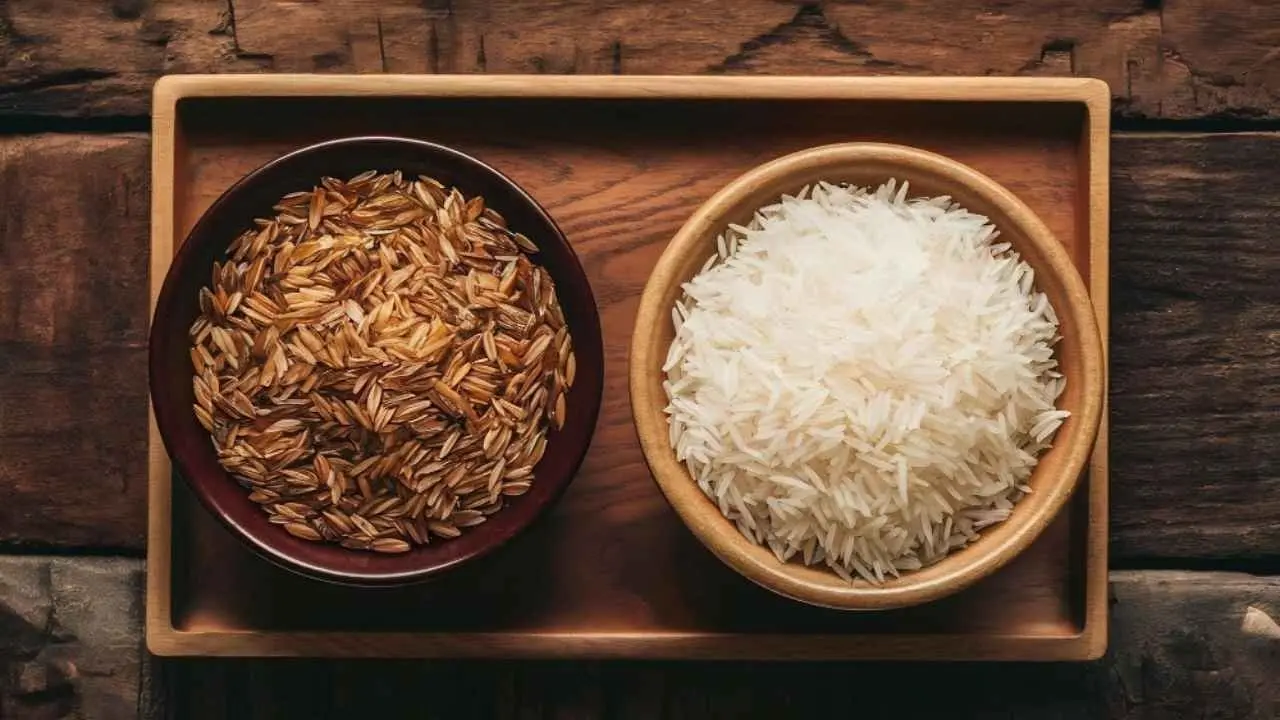
Choosing Between Brown and White Rice: What’s Healthier?
Rice is a staple food enjoyed globally, prominently featuring in many Asian and Middle Eastern diets. However, a common question persists: Is brown rice the healthier option compared to white rice?
Preferences vary; while some advocate for brown rice, others prefer the digestibility of white rice. Nutritionists explain that the answer is not straightforward. Both brown and white rice offer unique health benefits, with individual choices influenced by personal health, lifestyle, and digestive needs.
This article clarifies the distinctions between these two types of rice in an easily digestible manner.
Differences Between Brown and White Rice
Both types of rice originate from the same grain, with the key difference being their processing methods.
Brown rice retains its bran and germ, packed with fiber and nutrients, whereas white rice has these layers removed, resulting in a softer texture.
Consequently, brown rice is higher in fiber, while white rice offers easier digestion, which can affect their roles in dietary health.
Reasons to Opt for Brown Rice
Brown rice is often touted as the more nutritious grain due to its whole grain status.
Benefits of brown rice include:
Experts indicate that fiber helps slow sugar absorption into the bloodstream, benefiting those managing weight or blood sugar.
However, some individuals may find brown rice challenging to digest, particularly if their digestive system is sensitive.
The Case for White Rice
Despite being more processed, white rice is not inherently unhealthy.
Benefits of white rice include:
Easier digestion
Gentle on the stomach
Quick cooking time
Rapid source of energy
Medical professionals often recommend white rice for children, seniors, and those recuperating from illnesses due to its lighter nature, which exerts less stress on digestion.
Impact of Rice on Blood Sugar
Generally, brown rice has a slower impact on blood sugar due to its fiber, whereas white rice raises levels more quickly. Nonetheless, this isn't a definitive indicator of health.
Balance and portion size play crucial roles. A smaller serving of white rice, when paired with nutritious vegetables and protein, could be more beneficial than a larger serving of brown rice alone.
Individual Digestive Reactions
Many switch to brown rice thinking it’s healthier but may encounter symptoms such as:
Bloating
Gas
Abdominal discomfort
Health professionals report that brown rice can be harder for some to digest due to its fiber content, making white rice the more comfortable choice.
Ultimately, the healthiest rice is the one that your body can process without issues.
The Weight Gain Debate
Rice, particularly white rice, often faces criticism regarding weight gain. Yet, physicians assert that weight gain results from:
Large serving sizes
High caloric intake
Sedentary lifestyle
Both types of rice can contribute to weight gain if overconsumed; moderation is vital.
Cooking Methods Matter
The cooking style also impacts rice’s health benefits.
Healthier cooking methods include:
Boiling
Steaming
Basic home preparation
Less nutritious approaches can involve:
Regardless of the rice type, using too much oil diminishes its health advantages.
Historical Perspective on Rice
For thousands of years, rice has been a dietary cornerstone across continents. Traditionally, people consumed rice while leading more active lifestyles and avoiding processed foods.
Health concerns like diabetes weren't as prevalent in earlier societies. This suggests that lifestyle choices, rather than rice itself, have contributed to current health crises.
Choosing Your Rice Wisely
Doctors recommend selecting rice based on your personal health goals.
Opt for brown rice if:
White rice may be a better option if:
You have digestive sensitivities
Immediate energy is needed
A lighter meal is preferred
Ultimately, there isn't a one-size-fits-all rice.
Healthy Rice-Eating Tips
Health practitioners recommend:
Portion sizes should be small to moderate
Include veggies and proteins in meals
Avoid sugary beverages with rice dishes
Maintain physical activity
Refrain from heavy rice meals before bedtime
These healthy habits outweigh the question of brown versus white rice.
Both rice types can be part of a healthy diet when consumed appropriately. Brown rice offers fiber while white rice is more digestible. There’s no need to avoid either without reason.
The consensus among specialists is:
Prioritizing balanced meals, mindful eating, and active living is more impactful than the specific choice between brown and white rice.
The best dietary choices come from understanding your body and making educated selections rather than relying on myths.
Disclaimer
This article is intended for informational purposes only and does not constitute medical advice. Individual dietary requirements may vary, and it is advisable to consult with a healthcare professional before making any significant dietary changes, especially for those with health concerns like diabetes or digestive issues.