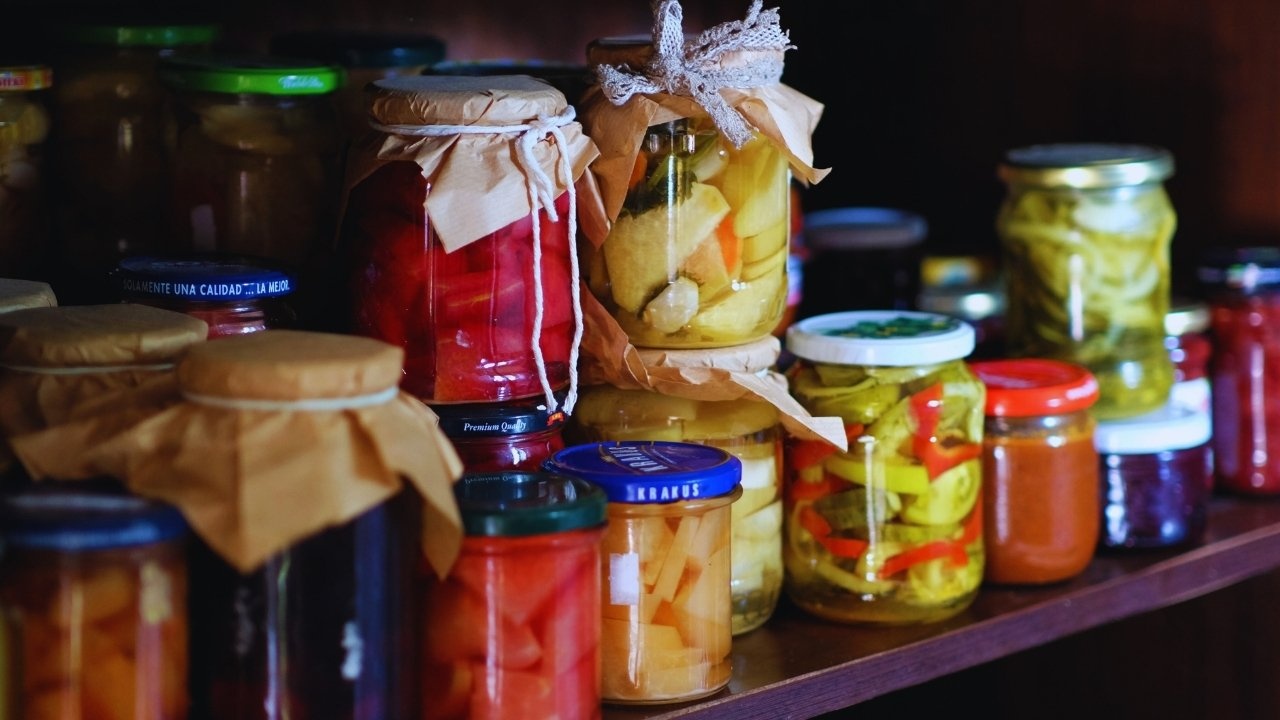
A Rediscovery of Tradition
Long before refrigeration and modern preservation methods, humans utilized fermentation to enhance flavor and preserve food. Various cultures have their unique traditions, from yogurt in India to kimchi in Korea, and sauerkraut in Germany. This age-old practice is now being recognized anew, not just as culinary heritage but as a cornerstone of 21st-century wellness.
In light of rising health issues linked to modern lifestyles, fermented foods offer a vital solution. This isn't merely nostalgia—it's a fusion of tradition and scientific understanding.
The road to a robust immune system often starts with gut health, and fermentation proves to be a powerful ally in this regard.
The Gut’s Role in Immunity
Contemporary health wisdom highlights a key insight: our gut houses roughly seventy percent of our immune system, shaped by trillions of microorganisms.
Known as the gut microbiome, these microorganisms play an active role in our immunity, battling harmful pathogens and regulating immune responses. They aid antibody production, support inflammation management, and enhance nutrient absorption.
Fermented foods introduce beneficial microorganisms, organic acids, and enzymes, fostering a rich gut ecosystem. In essence, a thriving gut equates to a fortified defense against infections and chronic diseases.
The Benefits of Fermentation
Fermentation, facilitated by microorganisms such as bacteria and yeast, transforms food in several impactful ways:
1. Enhanced Nutritional Value
Fermentation elevates the vitamin content and improves nutrient absorption, aiding those with lactose intolerance, for instance.
2. Generation of Probiotics
The process yields living cultures that amplify beneficial gut bacteria.
3. Facilitated Digestion
Fermentation pre-digests food, making it easier for the body to absorb nutrients.
These changes result in nutritionally rich foods that nourish our biology.
Notable Fermented Foods and Their Benefits
Let’s delve into several staple fermented foods and their unique benefits on immunity.
Yogurt and Kefir
Packed with cultures, yogurt and kefir promote gut health, enhance digestion, and boost nutrient uptake. Kefir, in particular, contains a wider array of probiotics.
Sauerkraut and Kimchi
These cabbage-based delights are rich in fiber and antioxidants, with kimchi also providing immune-boosting ingredients like garlic and ginger.
Fermented Grains
In India and Southeast Asia, breakfast staples like idli and dosa batter benefit from lactic acid fermentation, improving digestibility.
Miso and Tempeh
These soy-based foods not only deliver active cultures but also contain valuable nutrients and enzymes that foster gut recovery.
Kombucha
This probiotic-rich tea aids in gut cleansing and hydration, both essential for overall health.
Pickled Vegetables
Fermented pickles can be excellent for digestion and gut diversity. They differ from vinegar pickles which may not have live cultures.
Each of these foods originated from essential survival needs and today, they hold medicinal properties.
How Fermented Foods Boost Immunity
Restoring Gut Balance
Beneficial bacteria minimize the impact of harmful microbes, support immune responses, and encourage overall gut balance.
Improving Antibody Production
A strong gut lining facilitates effective antibody production, enabling the body to combat threats.
Regulating Inflammation
Fermented foods play a role in managing inflammation, a known contributor to chronic illnesses.
Maximizing Nutrient Uptake
Effective immunity hinges on good nutrition, and fermentation enhances absorption of essential vitamins and minerals.
Producing Protective Compounds
Fermented foods generate bioactive substances with antimicrobial properties, fortifying our natural defenses.
Fermentation nurtures immunity by fostering internal balance.
The Link Between Gut, Brain, and Immunity
Our gut also connects to brain function, intertwining mood, energy, stress, and immunity. When digestive health declines, stress often heightens; conversely, increased stress can undermine immunity. Fermented foods support emotional health by nurturing gut bacteria that produce mood-enhancing neurotransmitters.
A healthy gut correlates with better emotional state, improved sleep quality, and a robust immune system. All health systems interact.
The Impact of Modern Living on Gut Health
Despite advancements, today’s populations face various immune challenges stemming from:
– Highly processed foods
– Overuse of antibiotics
– Environmental pollutants
– Low fiber intake
– Stress and inadequate sleep
– Sedentary lifestyles
– Sugary diets
– Limited microbial diversity
Fermentation counteracts numerous of these factors, reintroducing essential microbes depleted by industrial food processing, and supporting overall digestion.
Though modern life may impose challenges, ancient wisdom through fermentation works to restore our health.
Who Can Benefit from Fermented Foods?
While nearly everyone can benefit, specific groups may find fermented foods particularly advantageous:
– Those with weakened immunity
– Individuals recovering from illnesses
– People experiencing digestive issues
– Frequent antibiotic users
– Individuals under stress
– Older adults facing gut flora decline
– People adapting to new dietary patterns
These foods aren't panaceas but can significantly boost overall wellness.
Incorporating Fermented Foods into Your Daily Routine
Take It Slow
Because of their potency, begin with small portions to allow your gut to adapt.
Opt for Traditional Methods
Seek out naturally fermented and unpasteurized products whenever possible.
Vary Your Choices
Rotate your intake of yogurt, kimchi, fermented grains, and kombucha to maximize benefits.
Pair with Fiber
Combining fermented foods with fruits, vegetables, and whole grains enhances their digestive benefits.
Make It Part of Your Routine
Consistency is key; regular servings of fermented foods can yield substantial long-term health benefits.
Recognizing the Benefits of Fermented Foods
Those incorporating these foods often report:
– Lighter digestion
– Improved bowel movements
– Less bloating
– Clearer skin
– Steadier energy levels
– Enhanced mood and focus
– Reduced seasonal illnesses
– Calmer gut post-stress
These subtle shifts signify deeper resilience within.
Important Considerations
While generally safe, some individuals may need to approach fermented foods with caution:
– Those sensitive to histamines
– Individuals with severe gut disorders
– New users of probiotics might experience temporary discomfort
Adjusting intake levels can help, and those with health issues should consult with healthcare professionals for personalized advice.
Cultural and Emotional Significance of Fermentation
Beyond its health benefits, fermentation embodies tradition, skill, and the intimacy of cooking. Engaging with fermented foods connects us to our heritage and the simplicity of nourishing ourselves.
These foods show us that health encompasses more than just our physical state; it is also emotional, cultural, and sensory. Fermented foods remind us to slow down, embrace nature’s cycles, and coexist harmoniously with beneficial microbes.
Healing extends beyond the chemical; it's also cultural and mindful.
Conclusion
In a world that often prioritizes processed and rapid lifestyles, fermentation serves as a grounding force. It teaches us that true nourishment is vibrant, transformative, and intrinsically tied to nature. Fermented foods bolster immunity through cooperative rather than combative means—nurturing the microbiome, easing inflammation, maximizing nutrition, and establishing equilibrium across bodily systems.
In each cup of yogurt, jar of pickles, or bowl of miso lies a silent revolution—one that protects, heals, and strengthens health through time-honored practices and contemporary science.
Strengthening immunity doesn’t always require lofty commitments or expensive supplements. Often, it begins in the kitchen with humble, bubbling jars and ingredients transforming under nature's guiding hand.
Embrace fermentation in your daily life for profound and lasting resilience.
Disclaimer:
This article serves informational purposes. Individual tolerances and health conditions may affect interactions with fermented foods. Consult a healthcare professional for personalized advice.