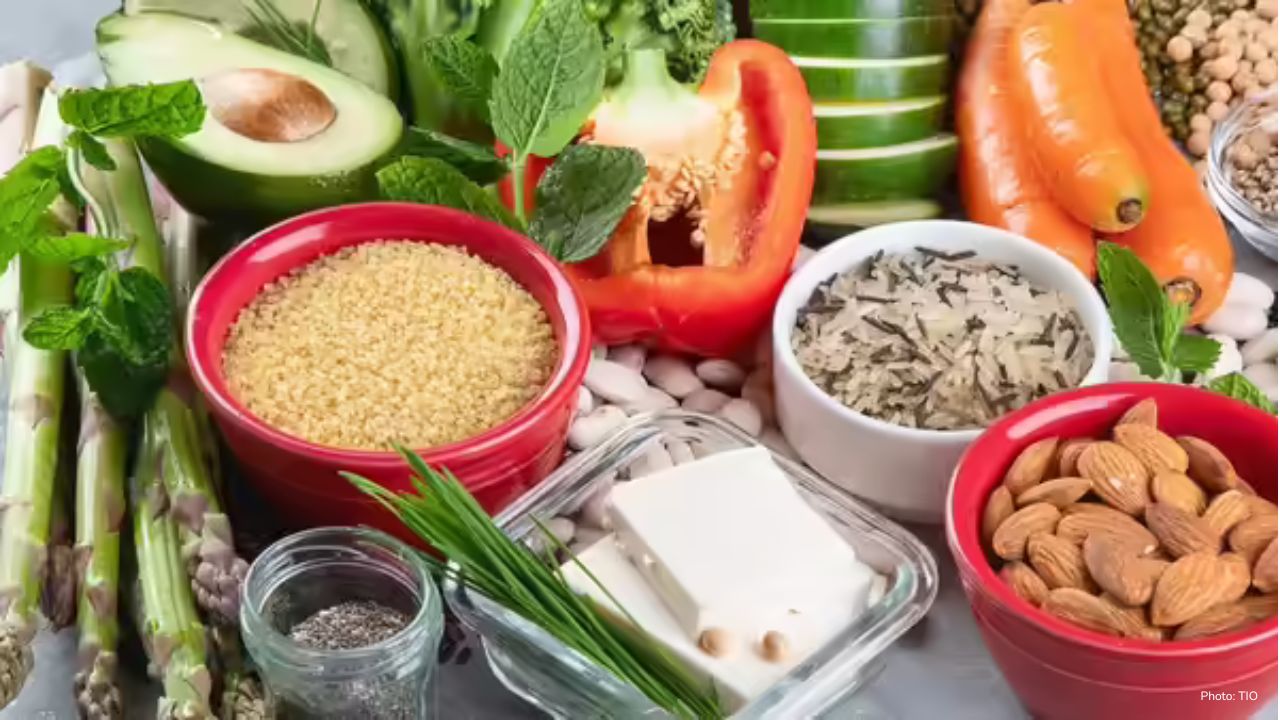
For a long time, many people believed that building strong muscles and living a long, healthy life required eating meat, eggs, or dairy. Today, science shows that plant-based proteins can do the same job—and even more. Eating protein from plants can help build muscles, protect the heart, prevent diseases, slow aging, and improve overall health.
Here is a detailed guide to the best plant-based proteins, their benefits, and how they help you stay strong and live longer.
Why Plant-Based Protein is Important
1. Muscle Growth Without Meat
Plant proteins from beans, lentils, soy, quinoa, and nuts provide all the essential amino acids needed to repair and grow muscles. Research from Harvard in 2023 showed that plant proteins can be just as effective as animal proteins for maintaining muscle when eaten in the right amounts.
2. Longevity and Disease Prevention
Animal proteins, especially red and processed meats, have been linked to higher risks of heart disease and certain cancers. Plant proteins, on the other hand, reduce inflammation, improve gut health, and protect the body against chronic diseases. A 2019 study found that replacing meat with plant proteins can lower the risk of early death by 13–24 percent.
3. Lessons from the Blue Zones
In regions called Blue Zones—like Okinawa in Japan, Sardinia in Italy, and Nicoya in Costa Rica—people live past 100 years. They eat very little meat but get most of their protein from beans, lentils, nuts, and whole grains. This helps them stay strong and healthy for decades.
Top Plant-Based Proteins for Muscle and Longevity
1- Lentils
- 18g protein per cup cooked
- Rich in iron, fiber, and folate
- Supports energy, recovery, and heart health
2- Chickpeas (Garbanzo Beans)
- 15g protein per cup
- Helps muscle repair and gut health
3- Quinoa (Complete Protein)
- 8g protein per cup cooked
- Contains all 9 essential amino acids
- Supports muscle function and energy
4- Soy (Tofu, Tempeh, Edamame)
- 10–20g protein per serving
- Helps bone, heart, and hormone health
5- Black Beans and Kidney Beans
- 15g protein per cup
- Rich in antioxidants and fiber
- Pair with rice for complete protein
6- Peas and Pea Protein Powder
8g protein per cup of peas / 20–25g per scoop of powder
Supports muscle growth like whey protein
7- Nuts and Seeds (Almonds, Chia, Flax, Hemp, Pumpkin Seeds)
- 5–10g protein per serving
- Provide healthy fats and omega-3s
- Hemp seeds have all essential amino acids
8- Seitan (Wheat Gluten)
- 25g protein per 3.5 oz
- High protein source with meat-like texture
9- Oats and Whole Grains
- 6g protein per cup cooked oats
- Combine with beans for complete amino acids
- Give long-lasting energy
10- Spirulina (Blue-Green Algae)
4g protein per tablespoon (60% protein by weight)
Rich in antioxidants, iron, and vitamins
Supports anti-aging and immunity
Plant Protein vs. Animal Protein
Digestibility: Plant proteins are slightly harder to absorb, but combining different sources, like rice and beans, provides all amino acids.
Health: High animal protein intake can shorten life, while plant protein supports long-term health.
Muscle: Studies show plant proteins can help build muscles as effectively as whey protein when eaten correctly.
Tips to Get Enough Plant Protein
Combine proteins like beans and rice or hummus and whole wheat bread.
Use plant-based protein powders like pea, hemp, or soy for fitness goals.
Spread protein intake throughout the day for better absorption.
Active people or athletes should aim for 1.2–1.6g protein per kilogram of body weight.
Plant-based proteins are not just for vegans. They are powerful tools for anyone who wants to stay strong, prevent disease, and live a longer, healthier life. Adding more lentils, beans, nuts, and soy products to your diet can help you build muscles and increase your lifespan naturally.