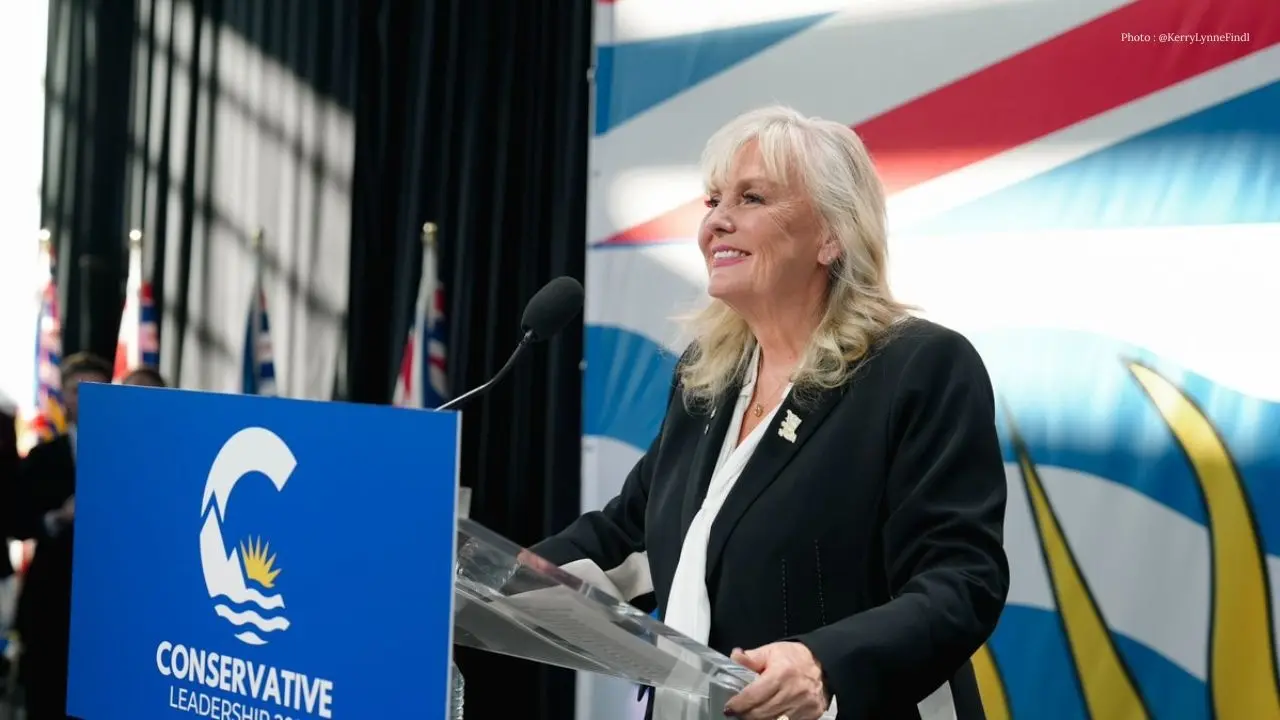
The leadership race within British Columbia's Conservative Party has sparked fresh political debate after former federal cabinet minister and MP Kerry-Lynne Findlay won the party's leadership contest. While federal Conservative leader Pierre Poilievre quickly praised Findlay's victory and described her as the type of leader British Columbia needs, not everyone within conservative circles is celebrating the result.
Findlay secured the leadership after a closely contested race that required multiple rounds of voting. She narrowly defeated commentator Caroline Elliott on the fourth ballot, winning 51 percent of the vote. Following her victory, Findlay promised to bring what she called "common sense" leadership to the province and signaled a strong focus on issues related to affordability, public safety, and economic growth.
However, two former B.C. Conservative legislators who now sit as independents have voiced serious concerns about the direction of the party under its new leader. Former MLA Amelia Boultbee argued that Findlay's victory reflects a desire among parts of the party membership to move further to the political right. Boultbee suggested that some party supporters are embracing a more populist style of politics that could increase divisions across the province.
Former Conservative MLA Elenore Sturko also expressed disappointment with the outcome, saying she believes the leadership result shows that moderate voices are losing influence within the party. According to Sturko, the Conservatives risk becoming more focused on ideological battles rather than building broad support among British Columbians. She warned that such a shift could make politics in the province more confrontational and polarized.
Despite the criticism, supporters of Findlay argue that she brings valuable political experience to the role. Before entering provincial politics, she served as a federal Member of Parliament and held cabinet positions in previous Conservative governments. Backers believe her experience and name recognition could help the party strengthen its position as an opposition force in British Columbia.
Poilievre's endorsement is also significant because it highlights the close relationship between the federal Conservative movement and its provincial counterpart in British Columbia. His support suggests that national Conservatives see Findlay as a leader capable of energizing conservative voters and expanding the party's influence in the province.
The debate surrounding Findlay's leadership victory reflects broader political tensions within conservative movements across Canada. While supporters view her election as an opportunity to unite voters around conservative values, critics fear it could push the party further toward ideological polarization. As Findlay begins her tenure as leader, her ability to balance these competing expectations may determine whether the party can broaden its appeal or face continued internal divisions.
With British Columbia's political landscape becoming increasingly competitive, all eyes will now be on how Findlay shapes the party's future and whether she can convert her leadership win into wider public support ahead of future elections.