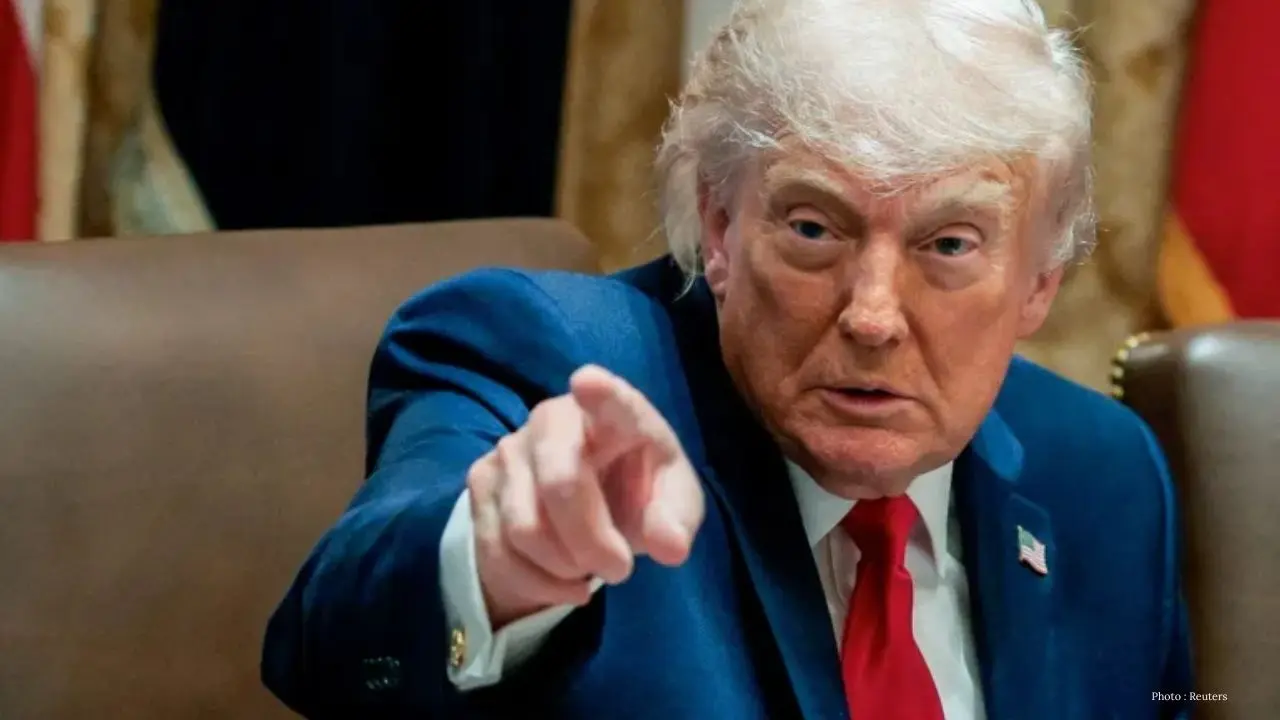
The Trump administration has halted plans for a controversial $1.8 billion “Anti-Weaponization Fund” following intense criticism from both Republican and Democratic lawmakers, as well as growing legal challenges in federal court. The decision marks a significant setback for a program that had become one of the most debated political issues in Washington in recent weeks.
The fund was originally created as part of a settlement linked to President Donald Trump's lawsuit against the Internal Revenue Service (IRS) over the leak of his tax records. According to administration officials, the fund was intended to compensate individuals who claimed they had been unfairly targeted by government agencies through politically motivated investigations or prosecutions. Supporters argued that the initiative would provide relief to victims of what they described as government “weaponization.”
However, the proposal quickly faced strong opposition from lawmakers across the political spectrum. Critics questioned the legal basis of the fund and raised concerns about how compensation recipients would be selected. Several members of Congress warned that the program lacked transparency and oversight, creating fears that taxpayer money could be distributed without sufficient accountability.
One of the biggest controversies surrounding the fund involved concerns that individuals convicted or prosecuted in connection with the January 6, 2021, Capitol riot could potentially qualify for payments. This possibility triggered sharp criticism from Democrats and many Republicans, including senior party figures who publicly urged the administration to reconsider the plan. Former Vice President Mike Pence was among those who criticized the proposal, describing the idea of compensating Capitol rioters as inappropriate.
The political pressure intensified after a federal judge stepped in. U.S. District Judge Leonie Brinkema issued a temporary order blocking the government from creating the fund, transferring money into it, or making any payments while legal challenges move through the courts. The judge scheduled further hearings to determine whether the restrictions should remain in place.
The lawsuit against the fund was brought by legal advocacy groups and individuals who argued that the administration lacked the authority to establish such a compensation program. Opponents described the initiative as an unprecedented use of public funds and questioned whether it complied with federal law. The court's intervention effectively froze the project before any payments could be distributed.
Reports indicate that Trump's decision to halt the fund came after discussions with congressional Republican leaders, who feared the controversy could derail other legislative priorities, including immigration and border security funding measures. Senate Republicans reportedly expressed strong concerns behind closed doors, warning that support for other administration initiatives could be affected if the fund moved forward.
Despite the administration's decision to pause the program, Democratic leaders remain skeptical that the issue is fully resolved. Senate Minority Leader Chuck Schumer has called for legislation that would permanently prevent any future attempt to establish a similar fund. Democrats argue that simply pausing the initiative is not enough and want legal guarantees that it cannot be revived later.
For now, administration officials say the project is effectively suspended, though it remains unclear whether a revised version could be proposed in the future. The Department of Justice has stated that it disagrees with the court ruling but will comply with the judge's order while legal proceedings continue.
The controversy highlights the political and legal challenges facing the Trump administration as it pursues some of its most ambitious policy initiatives. While supporters viewed the fund as a way to address alleged government misconduct, critics from both parties saw it as a potentially dangerous precedent. With court battles ongoing and lawmakers continuing to scrutinize the issue, the future of the anti-weaponisation fund remains uncertain.