A major global political gathering held in Barcelona is being seen as a significant moment in the evolution of international democratic cooperation. The event brought together leaders, policymakers, activists, and organisations from across the world to discuss the future of democracy and collective governance in a rapidly changing global environment.
The meeting included two key events — the Global Progressive Mobilisation (GPM) 2026 and the IV Meeting in Defence of Democracy. These platforms created space for collaboration between governments, political parties, civil society groups, unions, and local leaders. Unlike traditional international forums, the focus was not only on national governments but also on grassroots leadership, especially mayors and local representatives, who were seen as the first line of democratic defence where policies directly impact citizens.
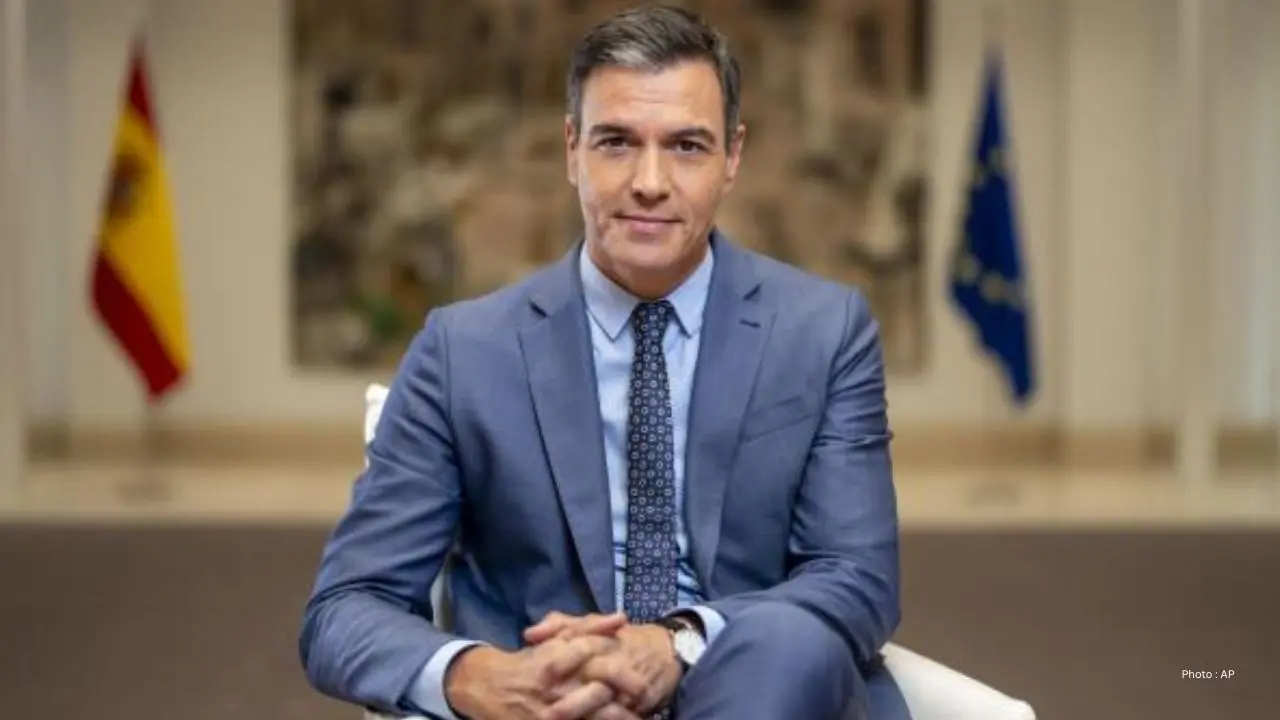
The initiative was supported by key global leaders including Pedro Sánchez, Stefan Löfven, and Luiz Inácio Lula da Silva. It operates under a broader network involving the Party of European Socialists, Socialist International, and Progressive Alliance. The gathering also saw participation from leaders such as Cyril Ramaphosa and Mia Mottley, along with representatives from several other countries.
The conference attracted more than 3,000 participants from over 40 countries and included thousands more attending public sessions. Discussions focused on the growing challenges facing democracies worldwide, including political polarisation, economic inequality, migration issues, and the impact of digital technologies on governance and public discourse.
A key outcome of the meeting was the development of a shared framework built around six major pillars: democracy, progressive economy, equality, environment, artificial intelligence and digital transformation, and peace. These themes were not discussed in abstract terms but were linked to practical policy ideas and governance strategies aimed at addressing real-world problems.
Participants highlighted that democratic decline in many regions is not only a political issue but also connected to economic pressures, social inequality, and gaps in public services. The discussions emphasised the need for stronger institutions, better policy coordination, and more inclusive governance models to rebuild public trust.
The Barcelona gathering also reflected a broader shift in global politics, where democratic groups are attempting to organise more effectively across borders. Experts noted that while markets, technology, and political narratives have globalised rapidly over the past decades, democratic coordination has often lagged behind. This initiative aims to bridge that gap by creating a more structured and collaborative approach.
Another important aspect of the meeting was the emphasis on connecting different sectors of society. Political parties, civil society organisations, and governments often work separately, but the event focused on bringing these groups together under a common agenda. This approach is expected to improve policy implementation and strengthen democratic systems at both local and global levels.
While the gathering does not represent a formal alliance or treaty, it is being viewed as the beginning of a long-term effort to build stronger democratic networks. Observers believe that such initiatives could play a key role in addressing global challenges and countering the rise of authoritarian trends.
Overall, the Barcelona meeting highlighted a renewed effort to shape a more coordinated and practical approach to democracy, with a focus on governance, inclusion, and international cooperation.