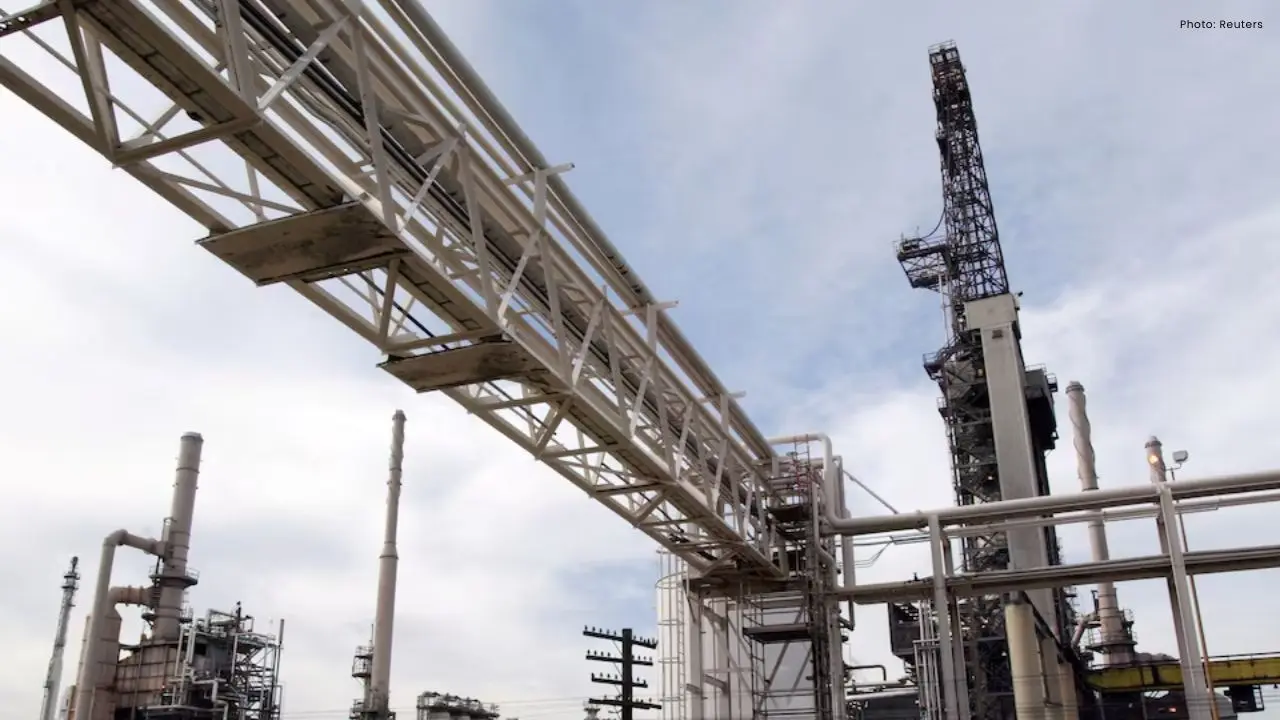
The energy landscape in the United States is bracing for significant hurdles as an intense Arctic chill sweeps through much of the nation. These plunging temperatures are posing risks to refinery operations, fuel supply, and potential spikes in energy costs. Experts in the industry caution that this abrupt weather change could impact oil production and refining during a crucial period.
Weather officials predict that this cold front will introduce freezing and sub-zero temperatures from the Northern Plains to the Northeast soon. By early next week, this frigid air is set to reach the Gulf Coast—a vital area for U.S. oil refining and energy resources. The sprawling reach of this extreme cold has left many markets and companies unprepared.
U.S. refineries typically function safely within a temperature range of 32 to 95 degrees Fahrenheit. Temperatures dipping significantly below freezing could lead to equipment failures, frozen pipes, and a slowdown or halt of operations. Industry estimates indicate that around 7 million barrels of crude oil production could see cuts across key oil-producing regions such as the Rockies, Permian Basin, and Anadarko Basin. In Oklahoma, refinery output alone could decrease by near 200,000 barrels per day.
Signs of operational disturbances have already surfaced. Citgo’s refinery in Lemont, Illinois, experienced issues earlier this week as temperatures plunged below freezing. While no public statement has been issued by the company, the incident underscores the rapid impact that cold weather can have on refinery systems. Other facilities in the vicinity are proactively implementing measures to prevent similar occurrences.
As a precautionary step, HF Sinclair has scaled back operations at its refinery in El Dorado, Kansas. Sources from the company report that this is a temporary measure to safeguard equipment against severe weather conditions. Marathon Petroleum has also confirmed it possesses contingency plans for extreme weather, though specifics regarding production impact remain undisclosed.
Energy markets are already feeling the repercussions of this cold wave. Diesel futures in the U.S. have surged by approximately 4 percent, influenced primarily by a sharp spike in natural gas prices. Natural gas futures have surged to a six-week high, with a staggering 57 percent increase over just two trading sessions. Traders foresee an uptick in heating demand as households and businesses ramp up energy usage to stay warm.
The unexpected arrival of Arctic air has caught many analysts off guard, especially after previous forecasts indicated warmer weather later in the month. As a result, some utilities may find themselves relying on surplus fuel supplies to meet heightened demand, further elevating prices.
This situation illustrates the intricate connection between weather, energy production, and everyday life. A robust cold wave doesn’t merely influence comfort and travel; it can also disrupt fuel availability and elevate costs for consumers. As the Arctic chill continues its descent southward, all eyes will be on how effectively U.S. refineries can manage the cold and the duration of pressure within energy markets.