A New Era in Wearable Technology
In early 2026, buzz began to swirl regarding Apple Inc., a titan in consumer electronics, working on an innovative wearable device — an AI-integrated pin that could reshape how individuals engage with technology. Unlike typical wearables like smartwatches or AR glasses, this device is envisioned as a small, clip-on accessory, akin to Apple’s well-known AirTag, designed to capture images, record sounds, and provide contextual AI help without the need to remove a smartphone.
This groundbreaking concept emerges at a time when technology leaders are in fierce competition to carve out the future of computing, marked by advancements in AI, machine perception, and seamless interactions. If realized, Apple's AI pin would mark the company's most ambitious effort to embed AI into everyday life through a portable format. This article dives into what we know about the Apple AI pin — from its anticipated hardware specs to challenges, privacy concerns, and its wider implications in the tech industry.
What is the Apple AI Pin?
Description and Design
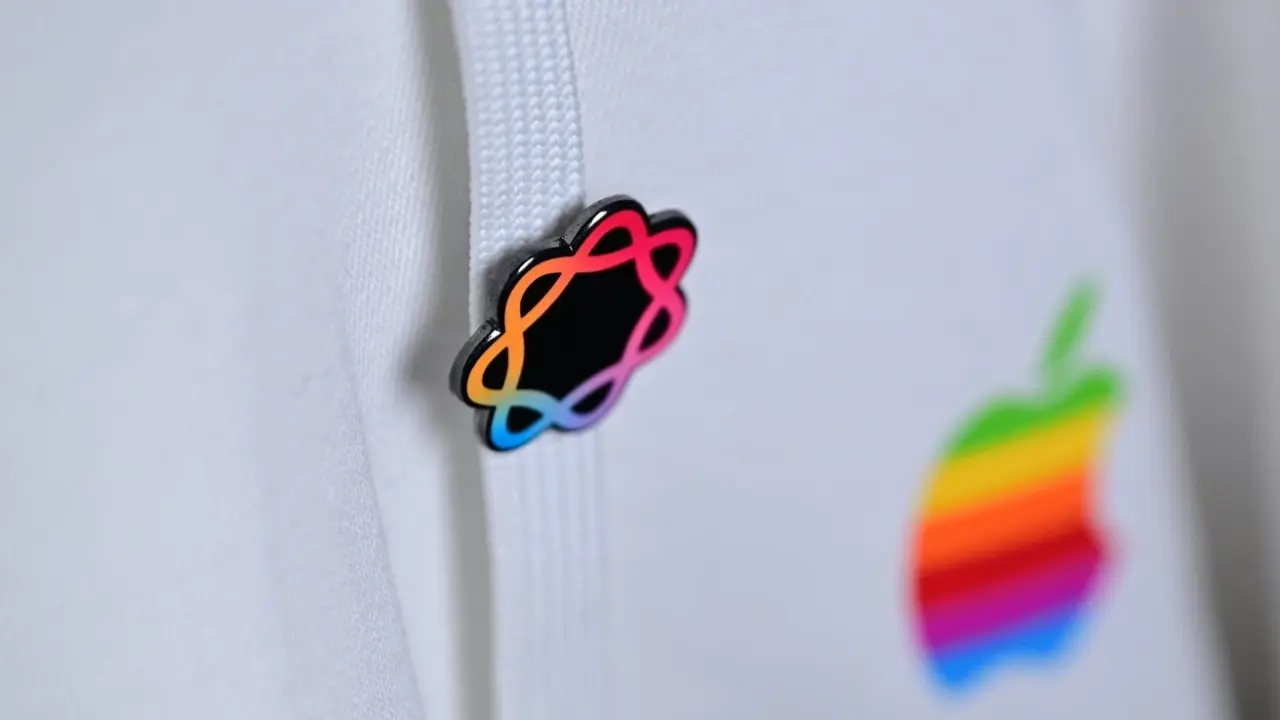
The Apple AI pin is said to be a compact device similar in size and shape to an AirTag. Made from premium materials like aluminum and a glass surface, it is portrayed as a slim, circular disc that can be worn on clothing, bags, or accessories.
This unique design sets it apart from wearables like smartwatches, which are typically worn on the wrist, or AR headsets, which necessitate headgear. The pin format embodies a philosophy of minimal disruption, ease of use, and constant accessibility — a device intended for passive wear yet active engagement through voice and gesture commands.
Hardware Features: Cameras, Microphone, and Speaker
Reports suggest the Apple AI pin will feature dual cameras — a standard and a wide-angle lens — capable of taking photos and videos. Expected built-in microphones will capture ambient sounds and voice directives, while an embedded speaker could deliver audio responses, notifications, and interactions.
This sensor setup indicates a device designed for environmental awareness, surpassing traditional voice-activated assistants. The dual cameras would enable the AI pin to understand a user’s surroundings, recognize objects, translate text in real life, and assist with visual search tasks, representing a significant enhancement over audio-only interactions.
A manual control button on the side is reportedly included, and the back of the pin will incorporate a magnetic charging pad similar to the one used by the Apple Watch. Wireless charging support reinforces Apple’s ongoing focus on user convenience.
Projected Launch Timeline and Production Plans
Although Apple has yet to officially acknowledge the AI pin, insider sources suggest it could launch as soon as 2027. There are reports indicating Apple might produce around 20 million units for the initial launch, demonstrating strong confidence in this market segment. However, the project is still nascent and may undergo substantial changes or even cancellation before a public launch.
This potential entry positions Apple against other companies venturing into wearable AI technology. Notably, startups like Humane Inc. have attempted similar concepts but ultimately faced commercial challenges. Apple’s move into this arena is not just about adding another product to its lineup, but a significant effort to establish a new category in hardware.
Why Apple is Venturing into AI Wearables
Strategic Positioning Amidst Competitors
Apple's interest in the AI pin is set against a backdrop of rapid advancements in AI hardware and wearable technologies across the tech industry, with major players like Meta, Google, and OpenAI investing heavily in AI-driven accessories. OpenAI is reportedly working on its own AI hardware, potentially designed by renowned designer Jony Ive.
In this competitive landscape, the AI pin could be viewed as a strategic maneuver by Apple to uphold its leadership in consumer tech by merging robust AI functionalities with an unobtrusive form designed for daily integration. Unlike smartphones, which require user-initiated engagement, this wearable may facilitate an always-ready AI experience, paving the way for an era of ambient intelligence.
Enhancing Apple’s AI Ecosystem
The AI pin is also poised to augment Apple’s broader AI strategy, which includes improvements to Siri and its AI tools introduced in late 2024, now integrated across iPhones, iPads, and Macs.
This connection suggests that the AI pin will be more than just a standalone gadget; it will fit into Apple’s expanding ecosystem of devices and services. By syncing with existing platforms, the pin could handle complex tasks via iPhones or cloud networks while still providing prompt responses for simpler requests.
How the AI Pin Could Change User Interaction
Hands-Free AI Assistance
The AI pin’s most significant advantage may lie in its capability to offer hands-free AI support. In various day-to-day situations, such as walking, cooking, traveling, or shopping, users could effortlessly interact with the pin to gather contextual information, navigate directions, set reminders, perform translations, or answer questions. This expands the reach of voice-activated assistants from smartphones and smart speakers into a portable, always-available format.
Visual Intelligence and Contextual Awareness
Equipped with dual cameras and an array of microphones, the AI pin could provide features far beyond those of conventional voice assistants. For instance, it might recognize landmarks and deliver immediate context, identify species on hikes, check prices or reviews while shopping, or assist individuals with visual impairments by verbally describing their environment in real time.
This capability for context-awareness could transform interaction with digital information, transitioning from reactive to proactively engaging AI support.
Communication Aid and Increased Accessibility
Beyond retrieving information, the AI pin could enhance communication tasks. With its speaker and advanced microphones, it could enable on-the-fly language translation during conversations, read messages aloud, or help users with speech and hearing difficulties by converting spoken words to text and vice versa.
These functionalities, while futuristic, align with the trend of making AI more accessible and user-friendly for diverse audiences.
Privacy and Security: A Major Concern
Scrutiny of Apple’s Privacy Practices
Apple has built a reputation on the foundation of user privacy, emphasizing on-device data processing and rigorous user data protections. The introduction of a wearable device featuring outward-facing cameras and microphones inevitably raises crucial privacy issues. Users will want clarity on how data is captured, stored, processed, and shared.
Reports suggest Apple may stick to its approach of on-device AI processing when feasible, utilizing technologies like the Neural Engine—a hardware AI accelerator designed to handle machine learning functions locally while minimizing data exposure.
Transparency in privacy controls and clear communication will be vital. Users may have concerns about whether the pin is perpetually recording, how captures are initiated, how accidental data collection is prevented, and the safeguards against unauthorized recordings.
Regulatory and Ethical Challenges
In addition to privacy concerns, regulatory and ethical implications could shape the development and distribution of the AI pin. Laws regarding surveillance, wearable technology, and data capture differ widely across countries, necessitating that Apple possibly tailor features or limit functionalities in specific markets. These factors could influence global rollout strategies and the capabilities of the device.
User consent, robust access controls, visible recording indicators, and strong encryption will be crucial in aligning the AI pin with legal standards and user expectations.
Challenges and Risks Ahead
Technical Hurdles and Market Resistance
Despite heightened excitement, the AI pin concept faces substantial challenges. Previous attempts by startups indicate that consumers may be wary of adopting new formats if their value is unclear or their functionality doesn’t meet expectations. High-profile products, such as those from Humane Inc., have underperformed due to sluggish capabilities and ambiguous use cases.
Thus, Apple must ensure that it delivers not only innovative hardware but also a seamless and genuinely useful AI experience. Without tangible benefits over existing devices such as iPhones and Apple Watches, the AI pin may struggle to secure a spot in consumers’ lives.
Balancing Innovation with Practicality
Establishing a new hardware category demands a careful equilibrium between innovation and functionality. Apple’s AI pin must showcase meaningful advantages without burdening users with unnecessary complexity. Integrating sophisticated AI without depleting battery life, ensuring reliable performance across varied conditions, and supplying intuitive controls will represent technical challenges requiring thoughtful design and development.
Conclusion: A Glimpse into AI’s Future
The speculation surrounding the Apple AI pin signifies one of the most captivating potential transformations in consumer technology in recent years. By embedding advanced AI within an easily portable format, Apple might redefine the way users access information, navigate environments, converse, and engage with digital tools.
As the development progresses — possibly leading to a 2027 launch — consumers, developers, and industry experts will monitor closely to see if Apple can navigate technical, privacy, and market-related hurdles. Should it succeed, the AI pin could not only broaden Apple’s hardware ecosystem but also shape how wearable AI integrates into everyday life.
Whether it revolutionizes commonplace computing or remains an ambitious undertaking, the Apple AI pin serves as a fascinating indicator of the convergence between artificial intelligence and wearable technology on the horizon.
Disclaimer: This article synthesizes insights from industry sources and is accurate as of early 2026. Apple has not confirmed product specifics or launch dates; all details remain speculative pending official announcements from the company.