In recent years, the alkaline diet has garnered attention for its purported abilities to prevent cancer, facilitate weight loss, and enhance overall wellness. However, health experts caution that many of these assertions lack substantial support. Although the diet emphasizes a higher intake of fruits, vegetables, and wholesome foods, it does not alter blood pH levels or serve as a cancer remedy.
This diet revolves around consuming “alkaline” foods such as leafy greens, avocados, and specific grains while shunning “acidic” items like red meat, processed snacks, and sugary beverages. The idea behind this is to help maintain the body’s pH balance, which varies from 0 (highly acidic) to 14 (highly alkaline), with 7 being neutral. Dr. Anjali Hooda, an Obesity and Metabolic Specialist, explains that “Our stomachs are inherently acidic for digestion, and blood pH typically rests between 7.2 and 7.4. Even minor deviations from this range can be detrimental. Diet alone cannot make significant changes to blood pH.”
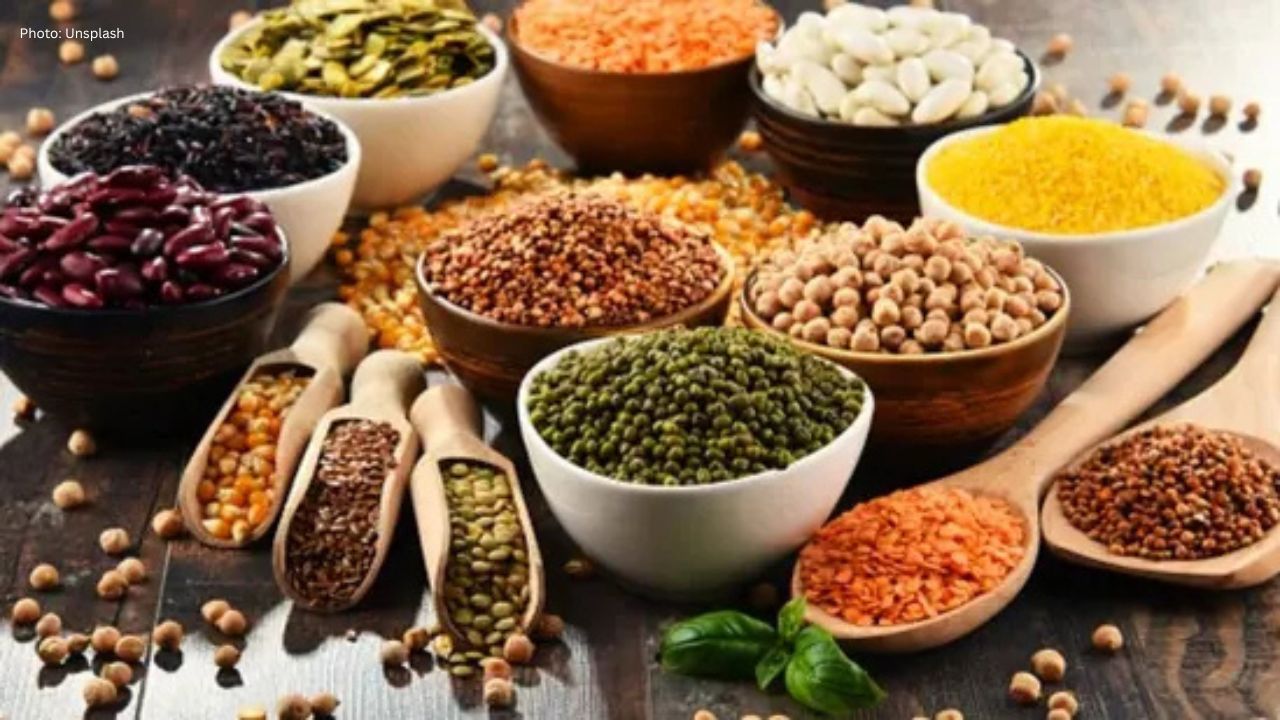
While it doesn't prevent cancer, the alkaline diet does have positive effects. It encourages a diverse intake of fruits, vegetables, nuts, and seeds, which are rich in essential vitamins and minerals. By reducing processed and sugary foods, it fosters a more mindful and balanced approach to eating. Whole plant foods can also enhance gut health, benefiting immunity and overall wellness. According to Dr. Hooda, an alkaline diet comprises foods like leafy greens, mushrooms, quinoa, lentils, and citrus fruits, which are nutritious despite tasting slightly acidic.
However, the diet does have drawbacks that shouldn't be overlooked. Many animal proteins are classified as acidic, so those strictly adhering to the diet may struggle to obtain adequate protein unless they meticulously plan for plant-based sources. Moreover, avoiding certain food categories, such as dairy or grains, can lead to deficiencies in essential nutrients like calcium and vitamin B12. Although promoting healthy eating choices, no robust evidence substantiates the idea that the alkaline diet can prevent or treat cancer.
The alkaline diet may enhance health through an emphasis on whole foods rather than processed options, but it should not be viewed as a miraculous solution. Experts highlight that a balanced diet—including a variety of carbohydrates, proteins, and healthy fats—remains crucial for long-term health. Opting for a diet rich in fruits, vegetables, whole grains, and nuts can bolster overall well-being, but depending solely on “alkalinity” for disease prevention lacks scientific validation. It's prudent to consult healthcare professionals before implementing drastic dietary changes, especially concerning serious health issues like cancer.