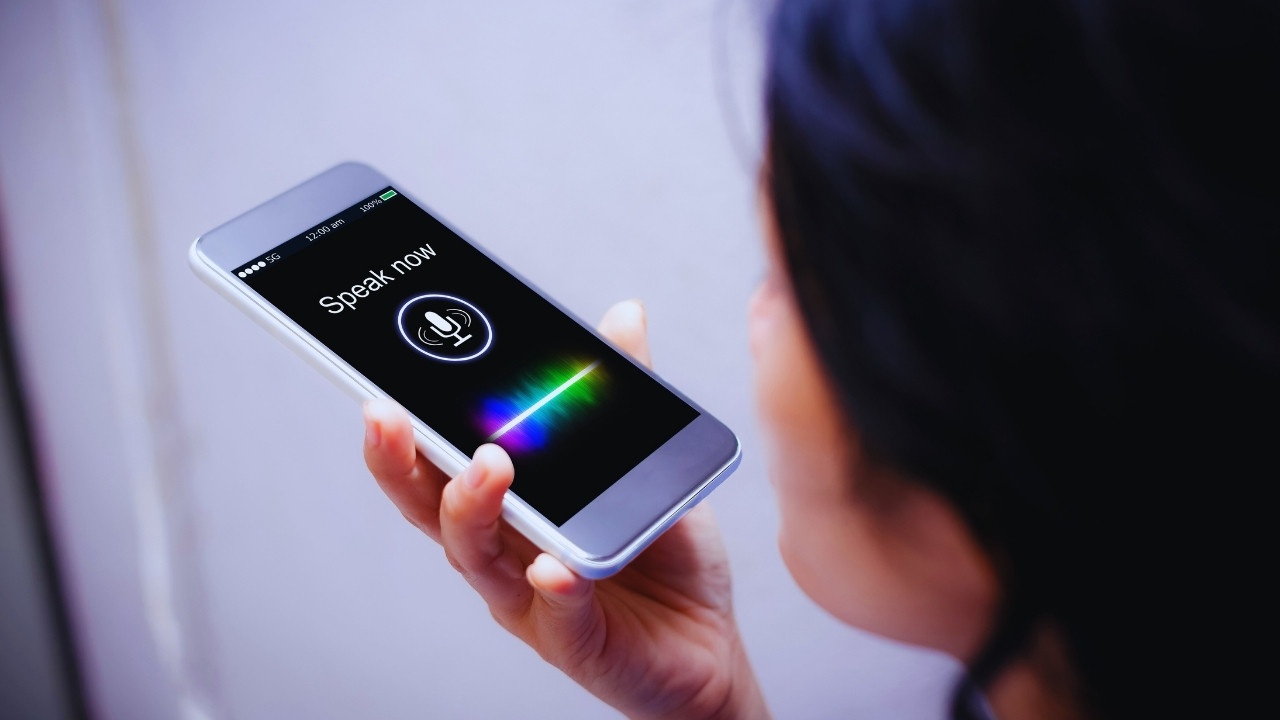
Artificial intelligence has long captured imaginations for its knack at imitating human creativity — yet this week it also stoked fresh unease. Around the world, AI voice cloning became a trending topic as reports detailed synthetic audio impersonating celebrities, public figures and private citizens without their permission.
What once felt like a specialised tool for accessibility and entertainment has shifted into a fraught ethical battleground. From convincing scam calls targeting families to fabricated podcast episodes using stolen vocal likenesses, the misuse of voice replicas has accelerated the debate about ownership and trust.
The discussion this week wasn’t only technical: it touched on consent, credibility and the fragile boundary between artistic invention and exploitation.
Why Voice Cloning Is Back in the Spotlight
High-Profile Deepfake Incidents
Recent viral clips showed how convincingly AI can produce speech that never occurred — from manufactured political remarks to phoney celebrity endorsements. One widely shared fake, purporting to be a leading global figure, circulated on social platforms before investigators exposed it as synthetic, highlighting how realistic these reproductions have become.
Such high-profile episodes renewed concerns about how easily authentic discourse can be polluted by fabricated audio.
The Rise of Real-Time Cloning Tools
Voice-generation systems have evolved rapidly. Technologies once confined to specialist labs are now available via open-source projects and commercial APIs. In many cases, only a few seconds of recorded speech are required to build a convincing vocal model.
More worrying is the emergence of live cloning tools: filters and plugins that can impersonate another person’s tone during calls or streaming sessions, creating new opportunities for fraud and misinformation.
Public Figures and Everyday Victims
While stories about politicians and stars attract headlines, ordinary people have also been harmed. This week, numerous accounts emerged of scam calls using cloned voices — often exploiting emotional triggers, such as a distressed family member’s tone, to manipulate victims.
Those real-world harms pushed “AI voice cloning” into the headlines and reignited conversations about legal protections and ethical limits.
The Technology Behind Voice Cloning
How AI Learns a Voice
Voice cloning relies on deep neural networks to map the distinct features of a speaker — pitch, cadence, accent and emotional cues. Once trained, these models can reproduce speech in that same voice with frightening fidelity.
Contemporary systems often combine text-to-speech synthesis with architectures like GANs or transformer models, which refine subtle elements such as intonation and breath patterns.
Accessibility Meets Risk
Originally, voice replication served compassionate and creative ends: restoring speech to people with degenerative conditions, narrating books, or smoothing dubbing in films. Yet the same ease and low cost that broaden access also lower the barrier to abuse.
By 2025, even free online services can produce near-professional voice clones within minutes — no specialised skills required. That democratization, while enabling for many creators, has opened the door to misuse.
Ethical Dilemmas in AI Voice Cloning
Consent and Ownership
Consent sits at the heart of the debate. Whose voice is it — the biological source or the recorded sample? When someone’s speech is used to build a synthetic replica, does that amount to theft or legitimate creative reuse?
For performers, influencers and voice professionals, this issue is existential: a voice can be a brand. Unauthorized cloning can undermine livelihoods and complicate legal recourse.
Authenticity and Deception
As AI audio becomes more lifelike, telling truth from fabrication grows harder. When cloned voices are used to spread false statements, the reputational damage is immediate and far-reaching.
That raises a deeper ethical question: just because a technology can replicate reality so closely, should we permit it to do so unchecked?
Cultural and Psychological Impact
Hearing a familiar voice deliver an upsetting message — even if synthetic — can cause real emotional harm. Psychologists warn that repeated exposure to such manipulations can fray public trust in media and interpersonal communication.
Economic Impact on Voice Professionals
Actors, narrators and broadcasters now face the prospect of being displaced by digital doubles. Industry unions and guilds are already drafting rules and bargaining positions to help members retain control over their vocal likenesses.
Legal and Regulatory Responses
Government Crackdowns Begin
In light of growing abuse, several governments this week unveiled draft measures aimed at deepfake audio and synthetic content. New proposals include mandatory disclosure labels when synthetic voices are used in commercial contexts.
Some jurisdictions are discussing criminal penalties for non-consensual cloning tied to fraud and impersonation, though international alignment remains patchy as legislators try to catch up with fast-moving tech.
Copyright vs. Personality Rights
Traditional copyright law protects creative works but not the biological traits of a voice. Legal scholars suggest treating “voice likeness” as a personality right, akin to image or name protections.
Courts are beginning to wrestle with how to assign ownership over vocal identity — a debate likely to shape digital rights for years to come.
Corporate Policies and Platform Rules
Major AI vendors are tightening rules: banning non-consensual cloning, rolling out watermarking features and improving traceability. Social platforms are experimenting with detection tools to flag suspect audio before it spreads widely.
How Creators and Users Can Protect Themselves
1. Limit Public Voice Samples
Creators often publish podcasts, videos and voiceovers freely, which also supplies material for cloning. Restricting sample length, using voice watermarks or offering limited previews can reduce exposure.
2. Register and License Your Voice
Voice professionals should explore digital rights services that issue cryptographic “voice fingerprints.” Such records can support ownership claims and help detect misuse later.
3. Use Anti-Deepfake Detection Tools
Emerging applications analyse spectral and timing anomalies to flag synthetic speech. These tools are increasingly important for newsrooms and platforms verifying audio before publication.
4. Advocate for Clearer Consent Standards
Creators and industry groups should press for laws that explicitly define voice consent. Clearer legal standards will make enforcement and prosecution more straightforward.
5. Educate Your Audience
Honesty fosters trust. When synthetic voices are used for effect or access, disclose that fact. Transparency helps separate ethical innovation from deceptive practice.
AI Voice Cloning in the Creative World
Positive Uses Still Matter
Amid the controversy, the benefits remain real. Voice cloning has given speech back to patients with conditions like ALS, enabled efficient multilingual dubbing and helped produce audiobooks and games at scale when used with permission.
When licensing and attribution are clear, synthetic voices can extend artistic reach rather than replace artists.
Hybrid Creativity Models
Some creators now license bespoke voice models under transparent contracts, turning their vocal identity into a revenue stream. With proper safeguards, a digital voice can become an ethical asset that earns income while maintaining creator control.
That shift points to a new category of digital property: voice IP, licensed and managed much like musical rights.
The Role of AI Companies in Containing Misuse
Mandatory Voice Watermarking
AI developers face pressure to embed imperceptible signatures into generated audio. Such watermarks could help trace fabricated clips back to their source and deter misuse.
Ethical Training Data Policies
Firms should verify contributor consent before incorporating voice samples into training sets. Transparent sourcing is not only ethical but increasingly a legal expectation.
Public Verification Tools
Research teams are building public databases and analyzers that let users submit suspicious audio for checks. Making verification accessible could be a powerful tool against misinformation.
Why the Debate Matters Beyond Technology
Trust in the Information Age
If hearing no longer guarantees truth, our social fabric — journalism, governance and personal relationships — is at risk. Convincing vocal forgeries could have consequences that reach into national security and democratic discourse.
The stakes extend well past technical novelty: they affect how we trust one another.
Psychological Toll on Victims
People targeted by voice deepfakes describe a violation akin to identity theft. The idea that something as intimate as your voice can be reproduced without permission undermines a sense of personal safety in a digital world.
The Moral Responsibility of Innovation
Technology is a tool: its moral weight depends on use. The central question isn’t whether we can clone voices, but how we choose to do so responsibly.
Developers, creators and users share a duty to ensure that these tools expand human possibility rather than corrode trust.
The Path Ahead: Balancing Innovation and Integrity
Voice cloning will only become more sophisticated. Our task is to channel that progress toward ethical ends. Industry leaders are beginning to craft “synthetic ethics” frameworks that combine transparency, consent protocols and detection standards.
We stand at a crossroads where regulation, creative practice and civic responsibility must meet. Without clear norms, technology that amplifies access could also become a vector for deception.
The year ahead will help determine whether voice AI matures into a trusted collaborator or a source of widespread doubt.
Conclusion
This week’s focus on AI voice cloning is more than a headline cycle — it’s a reminder. The same tools that restore speech and broaden creativity can erode authenticity if left unchecked.
The answer isn’t rejection but stewardship: creators, legislators and platforms must work together to embed consent, transparency and accountability into how synthetic voices are made and used.
A voice is deeply personal. Defending it is now both an artistic and a social necessity.
Disclaimer:
This article is for editorial and informational purposes only. It does not constitute legal or technical advice. Readers are encouraged to seek professional guidance when implementing AI or data-protection measures.