Understanding AI Health Coaches
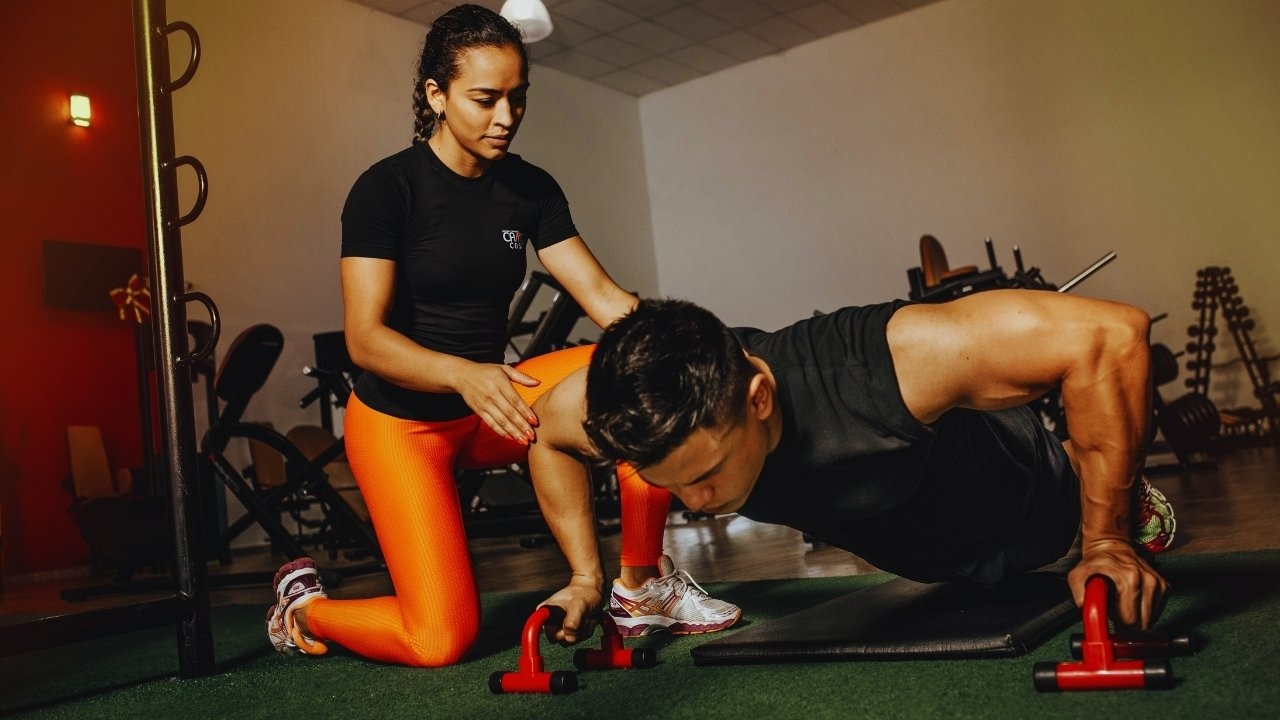
AI health coaches serve as digital advisors that analyze various health metrics—like sleep, heart rate, physical activity, and dietary habits—to deliver customized suggestions. Unlike traditional fitness applications that simply document data, these advanced AI systems interpret it to recommend actionable changes, much like a personal trainer would.
The adaptability of these systems ensures they respond to user behavior, providing ongoing feedback, tracking improvements, and aiding users in achieving their health objectives. They can offer tailored advice on workouts, diet adjustments, or sleep enhancements based on real-time metrics, although it's crucial to understand that human guidance is indispensable for intricate health issues.
Current Abilities of AI Health Coaches
AI health coaches already offer significant support through various means:
Ongoing Monitoring and Insightful Data
Utilizing wearable technology and health-tracking applications, AI coaches constantly observe daily habits such as sleep patterns, activity levels, and heart variability. They identify trends or irregularities that often go unnoticed, allowing users to modify their routines for better health outcomes. For instance, a rapid decrease in sleep quality might prompt a recommendation for an earlier bedtime or a gentle recovery exercise.
Personalized Goals and Adaptive Programs
AI health coaches develop tailored fitness regimens that align with individual schedules and fitness levels. As users progress, goals dynamically shift, paving the way for personalized health improvements. Based on recovery metrics and readiness scores, they can adjust workout intensity and plan fitness activities effectively.
Convenient and Scalable Accessibility
Human coaching is often constrained by availability and costs, but AI health coaches provide nearly constant access at a reduced price, enabling users to receive support regularly. This wider access makes wellness coaching feasible for many.
Encouragement and Habit Reinforcement
AI capabilities can include offering reminders, tracking progress, and motivating users to adhere to healthier habits. These features encourage users to maintain their focus on nutrition, exercise, and sleep, supporting sustained behavior changes.
Cross-Platform Data Integration
Modern AI health coaches compile data from multiple sources including wearables, smart scales, sleep monitors, and apps, creating a thorough perspective on users' health for informed recommendations.
Limitations of AI Health Coaches
While there are benefits, AI health coaches also face significant challenges:
Restricted Clinical Knowledge
AI lacks the capacity to diagnose complicated health issues or replace medical professional advice. Although it can detect trends in data, it fails to evaluate complex medical conditions or understand interactions between various health concerns.
Absence of Human Empathy
Effective coaching frequently entails emotional support and contextual understanding. AI is incapable of fully grasping nuanced life situations or delivering empathetic advice, which can diminish its motivational and mental health benefits.
Concerns Over Data Quality and Privacy
The efficacy of AI relies heavily on accurate and quality input data. Any errors in wearable technology readings or biased training datasets may compromise outcomes. Additionally, the management of sensitive health information raises privacy concerns.
Engagement Maintenance Challenges
Long-term user engagement can be difficult to maintain, as many users may lose interest over time. AI nudges may elevate immediate activity, but keeping users engaged in the long run proves challenging.
Ethical and Regulatory Boundaries
AI health coaching operates within an ambiguous realm between wellness advice and medical care. As regulatory guidelines evolve, establishing clear standards for liability and safety remains a work in progress.
Caution Against Over-Promising
Overzealous marketing can misrepresent AI coaches as comprehensive wellness authorities. Overreliance on AI guidance may provoke user disillusionment, improper use, or potentially health hazards.
Optimal Scenarios for AI Coaches
Enhancing Daily Fitness and Lifestyle
AI coaches are especially beneficial for individuals aiming to boost physical activity, enhance sleep quality, or maintain consistent health routines. They offer structured guidance and gradual adjustments to foster continuous improvement.
Affordable and Accessible Assistance
In places where traditional coaching is prohibitively expensive or unavailable, AI health coaches fill the gap, offering economical wellness support for maintaining health habits independently.
Facilitating Early Habit Development
AI coaches assist new users in developing healthy routines, including fitness tracking, improving sleep practices, and managing stress. Initial guidance can lay the groundwork for lasting behavioral change.
Data-Informed Feedback Mechanisms
Individuals generating continuous health data can leverage AI insights to discover patterns between their behaviors and health outcomes, allowing for informed adjustments to their daily routines.
Complementarity with Human Coaches
A hybrid approach utilizes AI to handle data analysis and routine monitoring while human coaches provide personalized guidance, motivation, and context-aware interventions.
Critical Questions for AI Health Coach Users
-
Data Usage: What data does the AI track and how is it utilized?
-
Training Diversity: Was the AI developed using varied population datasets?
-
Personalization Capabilities: Can it adjust to individual lifestyles and fitness aims?
-
Limitations Awareness: Are users made aware that AI cannot substitute professional medical care?
-
Privacy Safeguards: Are there strong policies in place for protecting user data?
-
Escalation Tactics: Is there guidance for seeking human help as needed?
-
Cost and Commitment Considerations: Are ongoing fees necessary, and are benefits worth the expense?
Traits of a Trustworthy AI Health Coach
-
Integrated Data Sources: Incorporates metrics from sleep, activity, nutrition, and recovery.
-
Dynamic Recommendations: Adapts plans according to user progress and readiness.
-
Accountability Features: Issues reminders and tracks compliance.
-
Human Support: Elevates complex matters to certified professionals.
-
Clear Limitations: Transparently communicates what the AI can and cannot do.
-
Compliance with Privacy Norms: Safeguards sensitive health information and ensures user consent.
-
Engagement-Enhancing Strategies: Employs methods that foster long-term user participation.
Looking Ahead
Improved Sensor Integration
Future wearables will monitor additional biopsychological metrics like stress and recovery levels, allowing AI systems to deliver even finer insights.
Enhanced Contextual Awareness
AI technologies will increasingly factor in lifestyle elements and emotional states, enabling recommendations that align with users' stress levels and routines.
Combined Human-AI Coaching Approaches
Next-gen wellness strategies will merge AI insights with human oversight, optimizing efficiency and empathy.
Regulatory Advancements
Expect clearer guidelines for AI wellness solutions, promoting safer and more responsible applications.
Expanded Role Beyond Physical Fitness
AI coaches will increasingly offer support for nutrition, stress management, and holistic lifestyle advice, moving towards an all-encompassing digital wellness platform.
Consumer and Professional Insights
-
Consumers: View AI coaches as tools, not replacements, especially for serious health matters.
-
Professionals: Utilize AI for monitoring while preserving human expertise.
-
Developers: Focus on ethical practices and user privacy to build trust.
-
Policy Makers: Formulate rules that distinguish coaching from medical services.
Final Thoughts
AI health coaches have transitioned from imaginary concepts to practical solutions that improve wellness via immediate insights, personalized suggestions, and habit encouragement. However, they still exhibit imperfections, lacking intricate clinical comprehension, emotional context, and deep empathy.
For the best results, AI health coaches should complement a comprehensive wellness framework, working alongside human expertise rather than supplanting it. Individuals who adopt these tools with informed expectations are likely to reap tangible benefits in lifestyle management, sleep quality, and physical fitness.