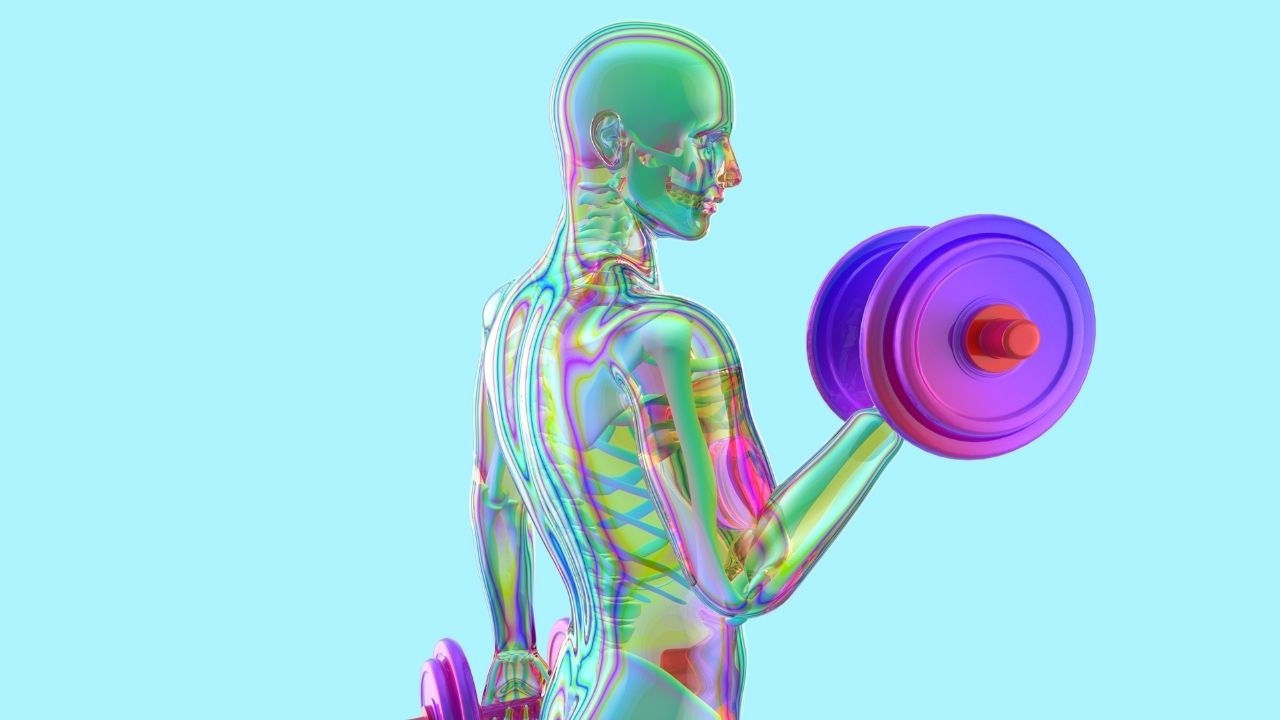
Gone are the days of repetitive workouts and one-size-fits-all diet plans. Artificial Intelligence (AI) has revolutionized how we approach fitness, making it more customized and effective.
From devices that monitor your heart rate to apps that tailor workouts to your unique requirements, AI has woven itself into our fitness ecosystems, acting as a personal trainer, diet consultant, and wellness advisor.
Curious about how AI fosters healthier lifestyles and smarter nutrition? Here are four transformative ways Artificial Intelligence is enhancing fitness for everyone.
The main issue with traditional fitness routines is that they're typically generic and not tailored to you. This is where AI shines.
AI-driven apps analyze your body metrics—such as age, weight, heart rate, and sleep patterns—and generate a personalized workout plan. And it doesn’t stop there! These apps adapt based on your progress, making changes as you improve.
If you're fatigued or had a poor night’s sleep, your AI coach may adjust the workout intensity. Conversely, if you've excelled, your next session might be more rigorous.
what to eat can be complicated. That’s where AI nutrition apps step in.
These applications monitor your dietary intake, analyze habits, and ascertain precise nutrient needs. Some even recognize meals via image scanning and compute nutritional values in an instant.
Example:
Popular platforms like MyFitnessPal, Yazio, and Lifesum utilize AI to refine your dietary choices. If you're overindulging in carbs, the app will suggest lighter alternatives. When protein is lacking, it will recommend food options to help restore balance.
AI also observes eating patterns, providing reminders to cultivate better habits.
The outcome:
Instead of rigid dieting, you learn proper eating for lasting consistency.
3. Instant Health Monitoring with Alerts
Your smartwatch is not just a step counter; it’s an advanced health analytics tool powered by AI.
AI-enabled fitness gadgets track daily health metrics—heart rate, oxygen saturation, sleep quality, and stress levels—analyzing data to spot abnormal patterns early.
If an anomaly appears, such as a persistent high heart rate or poor sleep quality, the device will notify you. In some instances, it may suggest rest or urge you to consult a physician.
Example:
Devices like the Apple Watch, Fitbit Sense, and Samsung Galaxy Watch embody sophisticated AI systems capable of identifying early signs of health issues.
Importance:
AI empowers users to preempt health concerns, serving as a preventative measure rather than responding post-factum.
4. Enhancing Motivation and Mental Resilience
Fitness isn’t solely about physicality; mental well-being is equally crucial. AI is lending support to keep individuals motivated and focused.
Some use gamification to convert fitness objectives into entertaining challenges. You receive rewards for completing tasks or achieving milestones. Others feature AI chatbots that provide guidance on stressful days or help maintain focus.
Example:
Platforms like Calm, Headspace, and BetterMe leverage AI to develop tailored meditation and relaxation strategies, tracking mood and stress, which enables them to suggest helpful breathing and mindfulness routines.
Key takeaway:
AI not only fortifies your physical capacities but also cultivates mental balance and peace.
AI's Role in Shaping Fitness' Future
AI's integration in fitness signifies the dawn of a novel age. Its unique ability to learn alongside you is pivotal. Each day, it becomes increasingly adept, observing your habits and needs.
Envision your smartwatch nudging you to hydrate before thirst signals arise or an app crafting workouts based on your energy or stress levels. This isn’t merely a futuristic fantasy—it’s already materializing.
Moreover, AI interlinks every wellness facet—exercise, nutrition, sleep, and emotional well-being—into one cohesive ecosystem. Soon, devices will not only monitor but also understand your patterns, directing you toward a more balanced and healthier lifestyle.
The Essence of Human Interaction
While AI can monitor, guide, and forecast, it lacks the emotional insight and comfort only a human can provide. Support from personal trainers or physicians is irreplaceable.
Thus, an effective fitness strategy combines AI capabilities with human interaction. Allow technology to manage your metrics while human professionals concentrate on your emotional and personal aspirations.
AI isn’t about technology replacing us; it’s about enhancing our lives with smarter, healthier options. From creating personalized workout strategies to early health alerts, AI has emerged as the fitness ally we never realized we needed.
Imagine a 24/7 coach, nutrition adviser, and motivator working collectively to promote your health.
However, remember that technology requires your effort. AI offers tools and insights, but it’s your commitment that converts them into meaningful progress.
The future of fitness isn’t merely about increased effort; it’s about optimizing what's right for you with the aid of intelligent technology.
Disclaimer
This article is designed solely for general informational and educational purposes. It aims to inform readers about the impact of Artificial Intelligence (AI) on the fitness and wellness domain but is not a substitute for professional medical, dietary, or fitness counsel. Individual health conditions and fitness aspirations may differ; hence, what benefits one person may not apply to another.
Before initiating any new exercise regimen, dietary plan, or wellness routine, particularly if you face any existing medical issues, injuries, or unique health considerations, it is advisable to consult with a certified healthcare provider, nutrition expert, or fitness trainer. The information here is not intended for diagnosing, treating, or preventing any illness. Outcomes from AI fitness technologies and applications may vary based on individual health factors and commitment.
Readers are encouraged to utilize this information responsibly alongside expert advice to achieve a safe and effective health and fitness journey.