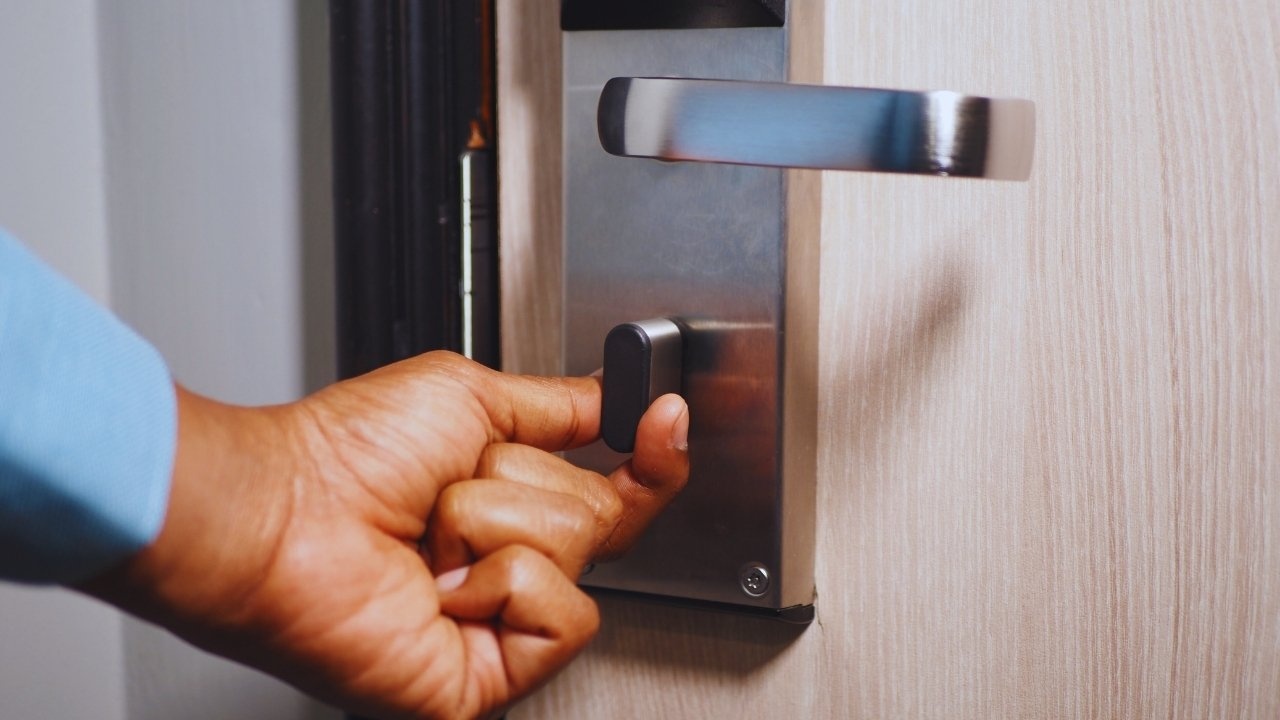
Home has long been regarded as the ultimate sanctuary—a haven of warmth, safety, and belonging. Traditionally, security relied on sturdy locks, loyal neighbors, barking dogs, and occasional patrols. However, with urbanization and modern lifestyles, the demands for security have evolved. As cities expand and people lead busier lives, our homes are more interconnected, increasing potential vulnerabilities.
Welcome to the age of AI-driven home security. Today's homeowners are moving away from conventional locks and peepholes, opting instead for smart doorbells equipped with HD cameras, biometric locks, AI-powered motion detection, cloud-based storage, remote monitoring, and automated alerts. These innovations not only secure entry points but actively observe, analyze, document, and provide real-time notifications.
Today’s security solutions are not just about safeguards; they encompass intelligence, mobility, and foresight. A digital protector, accessible via our devices, now stands guard rather than a traditional human presence.
This shift is driven by the necessity for modern convenience, responding to an ever-changing world where safety demands heightened awareness, automation, and intelligence—thus placing technology in the role of the watchful guardian of the future.
Why Smart Security Solutions Are Gaining Popularity in India
Growing Urban Lifestyle & Nuclear Families
The rise of nuclear families and young couples living independently in urban areas fosters a need for increased security and monitoring, even when away from home.
Enhanced Work & Travel Dynamics
Long work hours, frequent travel, and impromptu trips necessitate the ability to monitor one’s home remotely.
Increased Online Services & Deliveries
With daily deliveries—ranging from groceries to packages—smart doorbells enhance safety by verifying visitors before interaction.
Shift Towards Apartment Living
Urban high-rises now require sophisticated entry management solutions more than independent residences did.
Emphasis on Digital Convenience
As lifestyles become increasingly mobile-first, from banking to security, integrating these functionalities into one device is essential.
Psychological Prowess in Security
Real-time updates provide peace of mind; seeing your entrance from afar fosters a sense of closeness.
AI Smart Locks: Redefining Entry Beyond Traditional Methods
What Sets Smart Locks Apart
Unlike traditional locks that depend on physical keys—which can be lost or copied—smart locks leverage digital intelligence to enhance security.
Common Methods of Access
Fingerprint recognition
Numeric keypad inputs
RFID technology
Mobile application unlocking
Temporary access codes for guests
Voice-command features in advanced setups
Key Advantages
Eliminates risk of key duplication
Allows locking/unlocking from anywhere
Enables temporary access for guests and staff
Logs entry activity, enhancing accountability
Provides tamper alerts for added safety
Features auto-locking to prevent forgetfulness
Emergency Access Features
Many smart locks come equipped with emergency keyholes, backup battery options, and charging support to avoid lockouts.
Who Stands to Gain the Most
Busy professionals
Families with children or elderly members
Individuals living independently
Frequent travelers
Rental property owners
Airbnb hosts and property managers
Intelligent Video Doorbells: Your Personal Sentinel
High-Definition Camera Features
Receive live video feeds of your doorstep, whether you’re relaxing at home or abroad.
Two-Way Audio System
Interact with visitors without needing to open the door, perfect for deliveries or verifying guests.
Suspicious Motion Detection
AI technology can recognize unusual movements around your front door, sending immediate notifications.
Night Vision Capabilities
Identify visitors even in poor lighting conditions or late at night.
Cloud Storage & Playback Options
Recording can be saved and accessed later, essential for sharing with authorities if necessary.
Face Recognition for Advanced Systems
Top-tier systems can discern familiar faces, such as family members or regular staff.
Enhancing Home Security Features
Mobile Application Convenience
Manage all security functions—monitoring, unlocking, conversing, and reviewing footage—from an app on your device.
Intrusion Alerts
Automatically trigger alarms for irregular access attempts or unusual motion.
Entry Point Sensors
Magnetic sensors notify you when doors or windows are opened unexpectedly.
Multi-User Management
Allow family members to access and operate the security system collaboratively.
Visitor Entry Logs
Documented access times foster accountability.
Integration with Smart Home Devices
Collaborations between smart locks and doorbells with:
A cohesive smart home setup reacts faster than isolated devices.
Smart Security for Managing Domestic Help
Scheduled Access for Staff
Allow timed entry for maids, tutors, or delivery people.
Notifications Upon Entry
Receive alerts when domestic staff arrive or leave your home.
No Key Sharing Concerns
Eliminates the need for physical keys, reducing risks of unauthorized access.
Peace of Mind Through Transparency
Household routines become more reliable with clear access management.
Ensuring Safety for the Elderly & Family Members
Remote Oversight for Families
Children living far away can oversee the safety of their elderly parents' homes.
Verification Before Opening
Elderly individuals can safely communicate with visitors via video before deciding to let them in.
Emergency SOS Features
Some smart locks come equipped with emergency functions for immediate response.
Smart Security for Rental Properties & Shared Living
Keyless Entry for Tenants
Renters don't have to worry about key returns or losses.
Temporary Access Codes
Landlords can manage access without physical key handovers.
Security Surveillance Footage
Shared living environments benefit from monitored access, fostering trust.
Advantages of Smart Security Over Traditional Alternatives
| Legacy Locks |
Smart Security Solutions |
| Keys can be lost/duplicated |
Utilizes digital and biometric access |
| No activity tracking |
Comprehensive entry history available |
| Responds to incidents post-factum |
Proactive monitoring with instant alerts |
| Relies on manual vigilance |
AI-driven detection and alerts |
| Limited protection scope |
Employs multi-layered digital security |
Challenges to Consider
Power & Battery Management
Devices require consistent power supply or reliable battery maintenance.
Reliability on Connectivity
Dependable Wi-Fi or mobile network is essential for timely notifications.
Higher Initial Costs
Investing in smart systems may cost more up front but provides long-term advantages.
Cybersecurity Awareness
Users must maintain stringent password management practices.
Optimal Practices for Effective Smart Home Security
Employ strong, varied passwords
Activate two-factor authentication whenever possible
Regularly update device software
Select brands featuring encrypted technology
Be cautious in sharing access credentials
Secure footage on reputable cloud platforms
Utilize surge protectors for device safety
Fortifying security is achieved most effectively through a combination of technology and responsible habits.
The Future Landscape of Home Security in India
AI-Based Threat Detection
Future systems may identify suspicious activities ahead of potential threats.
Advancements in Biometric Technologies
Tech such as palm or retinal scans may gain widespread adoption.
Community Security Initiatives
Shared surveillance solutions could become standard in apartment complexes.
Direct Emergency Service Alerts
Smart devices could directly communicate with emergency services in critical situations.
Hands-Free Access Systems
Voice-activated entry technology could increase accessibility and practicality.
Final Thoughts
The evolution of home security isn’t merely about fear; it's about empowerment. Featuring AI-enhanced locks, smart doorbells, and intelligent security systems instills comfort, convenience, and accountability in our lives. They signify a modern era where technology shifts from mere convenience to genuine protection.
As we navigate a world increasingly defined by mobility and rapid change, knowing that technology safeguards our homes fosters not just emotional peace but also a sense of real-world security.
A contemporary home is not merely a roof over one’s head; it embodies a space to live securely, confidently, and harmoniously.
Disclaimer
This article provides general insights regarding home security trends. Individual device performance, adaptability, and features differ based on brand and environmental conditions. Users are encouraged to assess their home setups carefully, consult with professionals as necessary, and adhere to safety protocols prior to installation.