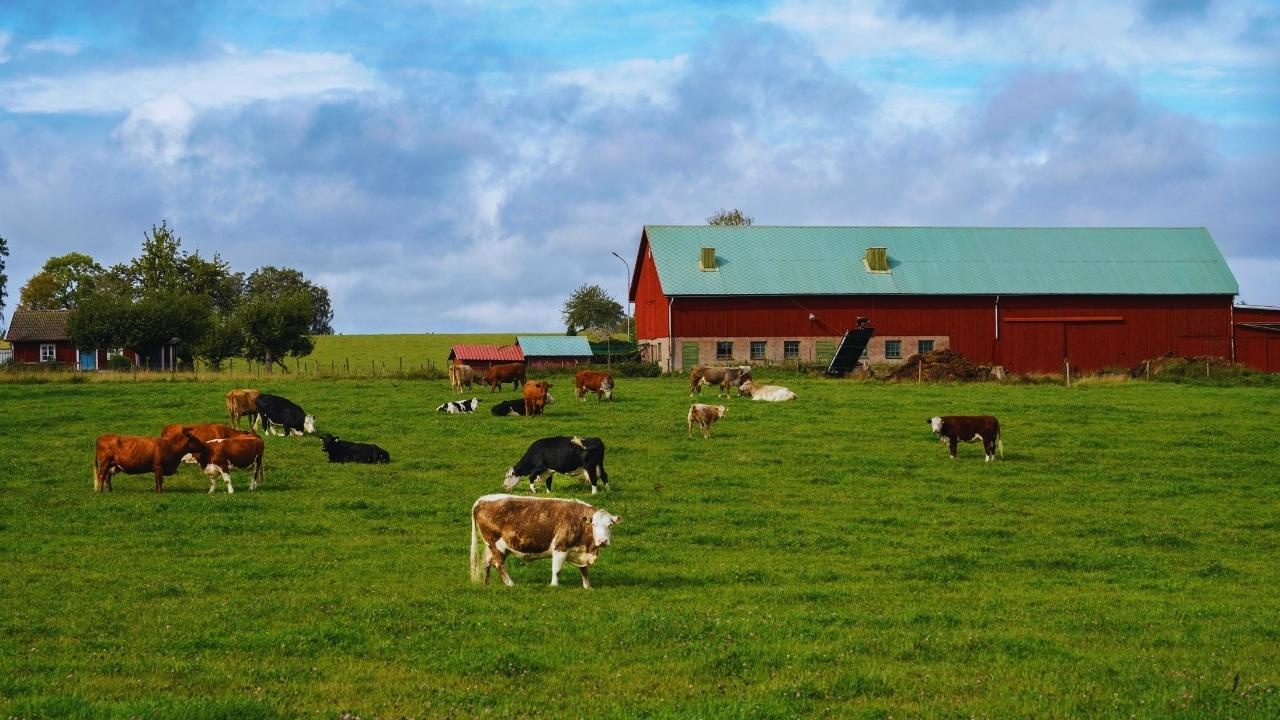
There’s a unique tranquility in the countryside. The gentle buzz of morning life, the aroma of damp earth after sunrise watering, fresh cow's milk steaming in a clay pot, and breakfast from vegetables just harvested from the garden.
As India’s travel scene evolves, a burgeoning trend has emerged — agritourism. This experience invites tourists to stay on working farms, immerse themselves in rural culture, connect with nature, and discover where their food originates. Once a niche interest for eco-conscious travelers, it has now transitioned into a popular choice, especially among families and millennials seeking genuine experiences and a break from digital devices.
A week spent on a farm is more than just a vacation; it’s a rejuvenation of spirit. It’s a journey back to simpler times, fostering humility and grounded living, away from the hustle of modern life and surrounded by nature's beauty, seasonal bounty, livestock, and communal meals beneath a starlit sky.
This piece delves into the rise of agritourism in India — examining the motivations behind it, its flourishing areas, and its transformative effects on travel and rural economies.
Why Agritourism is Thriving in India
A Retreat from Urban Stress
Today's cities move at lightning speed with quick commutes, fast meals, and stringent deadlines. Travelers long for serenity and space. Farm stays act as a remedy for urban burnout, offering nature-filled retreats, slower days, fresher air, and a chance to reconnect with life.
Growing Awareness of Food Origins
Today’s consumers want transparency regarding their food — its sources, cultivation methods, and the farmers behind it. Farm stays provide hands-on education through participation.
Reconnecting with Indian Heritage
Many urban Indians have ancestral links to rural life. Agritourism allows them to rediscover traditional customs — from cooking techniques to the use of bullock carts, rice paddies, and enjoying evening chai in fields.
Awareness of Sustainable Travel
Travelers are increasingly seeking mindful and authentic experiences. Rural stays support local communities, safeguard culture, and alleviate congestion in overly commercialized areas.
The Emergence of Remote Work
With many opting for extended stays on farms, they can balance work during the week while enjoying nature on weekends, rejuvenating both mind and body.
What to Expect During a Week on an Indian Farm
Awakening with Nature
No need for alarm clocks. The morning symphony of birds, roosters, and livestock will rouse you. Dew-kissed fields stretch like nature's carpet, and mist hovers gently over the crops.
Engaging with the Land
Participants will assist farmers with hands-on activities:
-
Harvesting fresh vegetables
-
Watering young plants
-
Caring for goats or cattle
-
Learning about composting
-
Trying manual ploughing when possible
It's not merely hard work; it’s about building relationships.
Farm-to-Table Dining
Each meal is a new experience:
-
Freshly baked rotis from traditional stoves
-
Dal with homemade ghee
-
Seasonal vegetables harvested that morning
-
Chilled buttermilk served in clay pots
-
Fruits straight from the orchard
Food transforms into sustenance instead of just consumption.
Cultural Richness
Rural life follows traditional rhythms:
-
Stories shared at twilight
-
Village temple bells ringing in the distance
-
Experiencing local crafts and pottery
-
Learning regional culinary techniques
-
Exploring village fairs seasonally
Here, culture is lived, not performed.
Starry Evenings
In cities, stars are barely visible. On farms, nights are tranquil, the sky vast, and stars appear almost within reach. By lantern light and under a warm breeze, conversations deepen, and electronic devices fade into the background.
Diverse Agritourism Options Across India
Working Farms
Engage in seeding, harvesting, watering, and threshing crops.
Fruit Orchards
Spend your days picking apple, mango, or citrus fruits during harvest season.
Dairy Farms
Learn about milking, making paneer, and feeding livestock.
Spice & Herb Plantations
Stroll through aromatic gardens of cardamom, cinnamon, and medicinal herbs; discover natural harvest techniques.
Winery Visits
Explore vineyards and enjoy gourmet meals prepared fresh from the farm.
Organic Permaculture Farms
Acquire knowledge on composting, soil health, and traditional herbal medicine.
Regions Leading the Agritourism Charge
Maharashtra
Renowned for systematic agritourism practices, particularly in sugarcane and fruit-growing areas.
Punjab & Haryana
Known for wheat and mustard fields, dairy culture, and warm Punjabi hospitality.
Karnataka
A destination for coffee plantations, scenic paddy fields, and cozy countryside lodges.
Kerala
Famous for its spice gardens, banana plantations, and agricultural backwaters.
Tamil Nadu
Home to banana fields, jasmine farms, and eco-friendly village residences.
Uttarakhand & Himachal
Featuring terrace farming, orchards, goat farming, and dairies in the mountains.
Rajasthan
Showcasing authentic desert farming, millet fields, camel-herding communities, and traditional rural homes.
Assam & The North-East
Known for tea estates, bamboo farming, rice paddies, and rich tribal agrarian practices.
Advantages for Travelers
Rejuvenation of Mind
Experience serenity in the countryside, slower rhythms, and familiar farm routines that spark mental clarity.
Enhancing Physical Health
Fresh air, activities in nature, wholesome food, and restful nights contribute to overall well-being.
Knowledge & Insight
Gain understanding of food systems, earth care, seasonal changes, and rural economies.
Strengthening Family Ties
Children learn about nature, adults reconnect with one another, and screen time naturally decreases.
Cultural Engagement
Live a story rather than follow a busy resort itinerary.
Impact on Rural Communities
Diverse Income Streams
Farmers can expand their earnings through hospitality, workshops, and direct sales.
Heritage Preservation
Indigenous seeds, traditional recipes, and ancestral knowledge regain their significance.
Empowerment for Women
Women in rural areas lead culinary demonstrations, craft workshops, homestays, and dairy management.
Retaining Youth
Young adults find meaningful careers in tourism, reducing migration to urban centers.
Promotion of Sustainable Practices
Tourism interest in organic products encourages farmers to adopt regenerative techniques.
What to Anticipate and Accept
Living Simply
Expect clay floors, open-air spaces, and basic comforts rather than luxury accommodations.
Active Engagement
Expect to walk fields, feed animals, and learn farming skills — embrace activity.
Sounds of Nature
Bird songs replace the city’s clamor — silence here has its own rhythm.
Authentic Experiences
The essence of nature remains untouched—muddy paths, monsoon pools, and earthy aromas.
If you seek sincerity, this will be bliss. Should you desire glitz, this might not be your getaway.
Planning Your Agritourism Getaway
-
Pack light and natural clothing
-
Bring an open mind and a sense of curiosity
-
Be respectful of farm customs and animals
-
Participate actively — don’t just watch
-
Support local produce and crafts
-
Always ask for permission before taking photographs
-
Minimize waste and plastic usage
-
Embrace leisurely mornings and early nights
The Future of Agritourism in India
Farm Schools & Children’s Rural Programs
Nature-focused education will grow for children from urban backgrounds.
Wellness-Focused Farm Retreats
Yoga spaces, herbal gardens, and therapeutic meals sourced from the farm.
Digital Nomad-Friendly Cottages
Wi-Fi-enabled rural cottages for extended stays.
Seasonal Celebratory Stays
Opportunities to engage in harvest festivals, livestock fairs, and cultural celebrations.
Regenerative Tourism Initiatives
Travelers participating in soil restoration, tree planting, bee-keeping, and organic farming education.
Agritourism is on its way to becoming more than just travel; it’s evolving into a lifestyle and learning experience.
Concluding Thoughts
A week on a farm doesn’t merely signify a break from life; rather, it represents a return to its essence. In a world that continuously seeks to accelerate, farms remind us that true growth demands time, patience, sunlight, rain, and care.
Agritourism is not merely a fad; it embodies healing, exploration, education, community, and a deep sense of gratitude wrapped into a single journey.
Swap hotel meals for hand-prepared rotis, infinity pools for riverbanks, and polished floors for sun-warmed earth…
and you might discover something more profound — yourself.
Disclaimer
This article serves as inspiration and informational guidance for travelers. Agritourism experiences differ by region, season, and type of farm. Travelers are advised to confirm safety and hygiene practices before booking and adhere to local guidelines during farm activities.