The Assembly of First Nations (AFN) has called for the immediate withdrawal of a federal bill that seeks to recognise self-government rights for the Red River Métis, raising concerns over its impact on existing treaty rights of First Nations communities in Canada.
AFN National Chief Cindy Woodhouse Nepinak said that the proposed legislation, known as Bill C-21, could create what she described as a “hierarchy of rights” between First Nations and Métis groups. She argued that recognising Métis self-government without clear boundaries and consultation risks undermining the rights and authority of First Nations, especially in relation to land and jurisdiction.
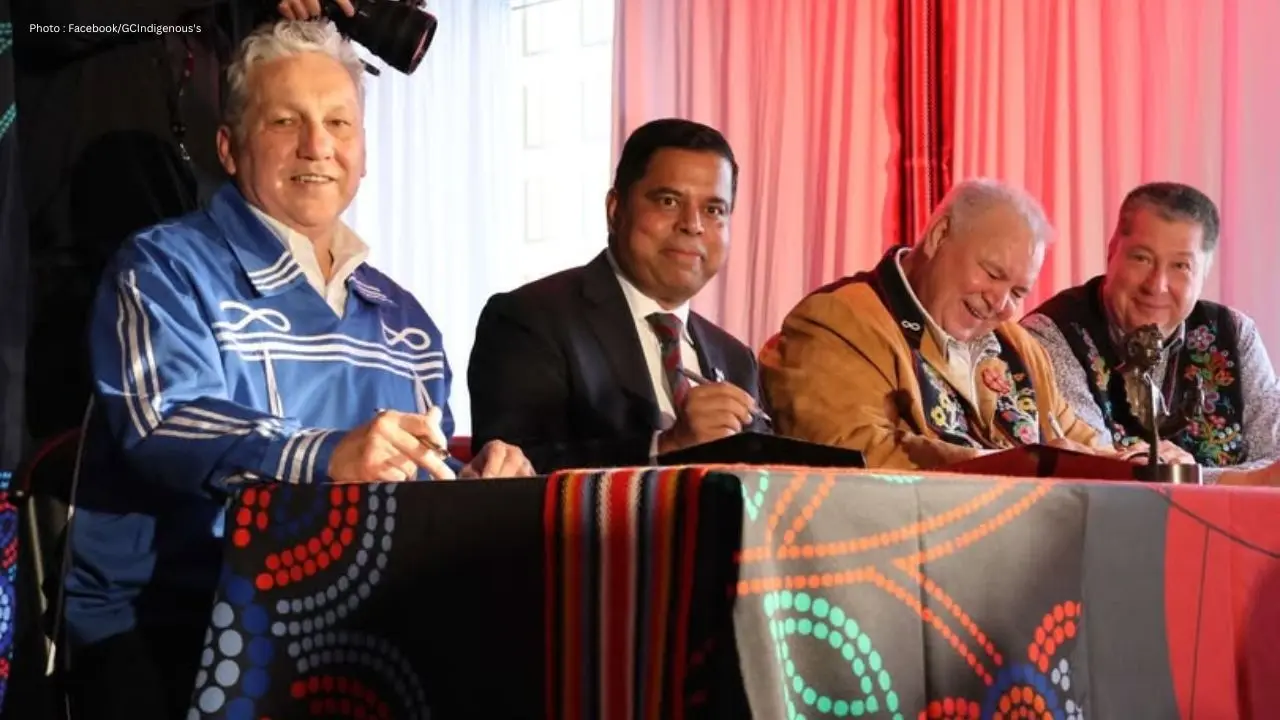
The bill aims to formalise a self-government treaty between Canada and the Manitoba Métis Federation, which was initially recognised through an agreement signed in 2021. If passed, it would become the first modern treaty of its kind between the federal government and a Métis organisation, granting it greater authority over its internal governance.
However, Woodhouse Nepinak said the agreement was developed without adequate consultation with First Nations communities that could be directly affected. She stressed that any decisions involving land and governance should involve joint discussions between First Nations and Métis groups, rather than being decided unilaterally by the federal government. She also highlighted concerns about unclear territorial definitions in the bill, which could lead to overlapping claims and disputes.
The AFN has urged the federal government to address existing land and treaty issues with First Nations before advancing new agreements. According to the organisation, First Nations are foundational partners in Canada, and their rights must be fully respected in any legislative process.
In response, David Chartrand, President of the Manitoba Métis Federation, rejected the concerns and said that there is no hierarchy between First Nations and Métis rights. He defended the bill, stating that Métis communities have the right to self-determination and governance, just like other Indigenous groups. He also encouraged open debate and consultation during the parliamentary process to address any concerns.
The issue has also been raised in Parliament, where some lawmakers expressed concerns about the scope and definitions within the proposed treaty. Critics have pointed to potential legal and constitutional challenges, particularly regarding how the agreement could affect other Indigenous groups beyond Manitoba.
Government representatives, however, have stated that consultations were conducted with multiple First Nations communities over a period of time. Officials said opportunities were provided for discussions and feedback, although concerns about the adequacy of these consultations continue to be raised by Indigenous leaders.
The debate over Bill C-21 highlights broader challenges in balancing the rights and interests of different Indigenous groups in Canada. It also reflects ongoing discussions about self-governance, land rights, and the role of consultation in shaping national policy.
As the bill moves through Parliament, further discussions and committee reviews are expected, which may influence its final form and determine whether changes are made to address the concerns raised.