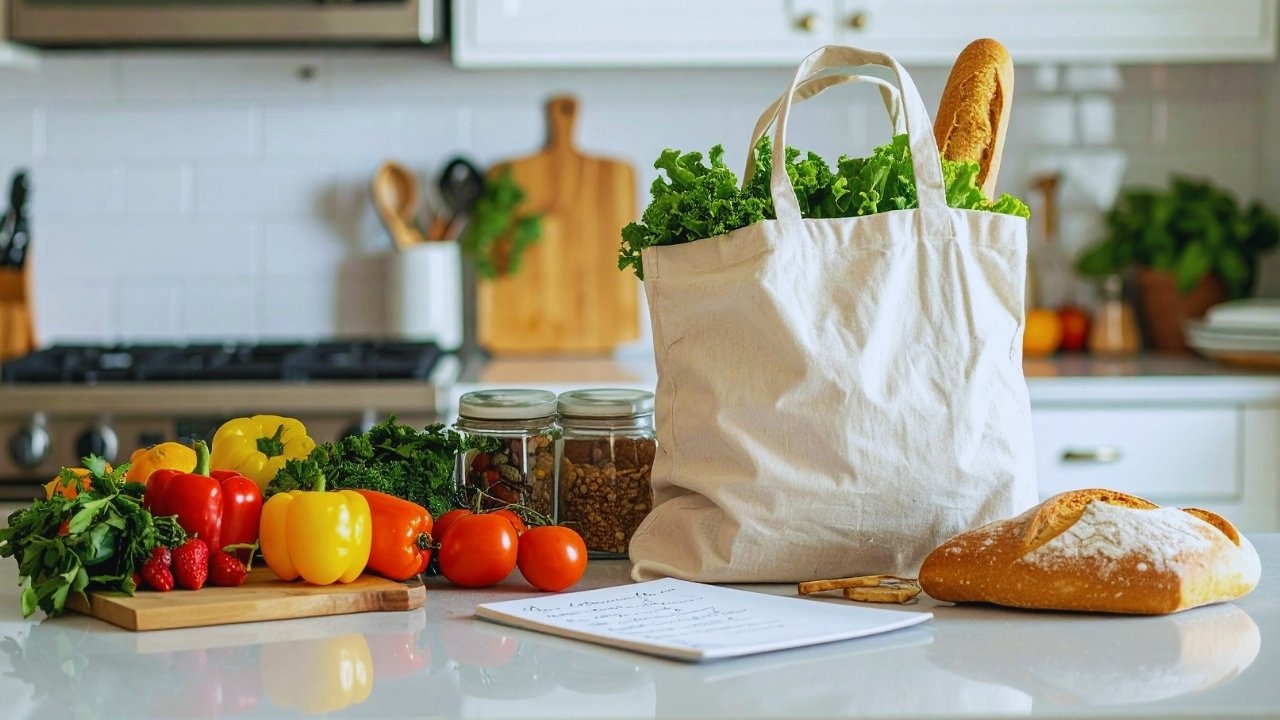
As grocery prices continue to climb, households everywhere are seeking ways to trim their food costs while retaining nutrition, flavor, and variety. Contrary to popular belief, meal-prepping isn't just for fitness aficionados—it's a straightforward approach to managing your diet, controlling expenses, and avoiding last-minute takeout.
In this article, we present a practical meal-prep strategy designed around a modest daily food budget of ₹200 per person. Rather than advocating for extreme thriftiness, the goal is to showcase how careful planning, conscious shopping, and adaptable recipes can help anyone stay within a reasonable budget. The ingredients discussed are all common, inexpensive, and easily found in Indian markets. These delicious recipes prioritize taste, nutritional balance, and simple preparation, making them perfect for both busy individuals and families.
Budget Grocery Planning for ₹200 a Day
Setting a Weekly Spending Limit
Instead of tallying costs for each meal, it’s efficient to set a weekly maximum. For one person, ₹200 per day totals ₹1,400 per week. A recommended distribution could be:
-
₹500–₹550 for fresh produce
-
₹250–₹300 for grains (rice, wheat, oats, dal)
-
₹150–₹200 for protein sources (eggs, soya, paneer)
-
₹150–₹200 for snacks or extras (curd, peanuts, buttermilk)
-
₹200–₹250 buffer (to account for price changes or unplanned purchases)
This flexible budget allows for necessary supplies as well as occasional treats, all while remaining financially responsible.
Effective Shopping Strategies to Save
To maintain a varied diet within the ₹200 daily budget, small but strategic changes can make a big difference:
-
Opt for seasonal produce
Seasonal fruits and vegetables are typically more affordable and nutrient-rich.
-
Share bulk purchases with friends or neighbors
Buying staples like rice or dal in large quantities lowers the cost per unit.
-
Select economical, high-protein foods
Items like soya chunks and eggs offer excellent nutrition without the high price.
-
Avoid pricey processed snacks
Only a few indulgent items can quickly exceed the ₹200 daily limit.
-
Reuse ingredients across meals
For instance, leftover spinach can be repurposed in both dal and parathas, minimizing waste.
-
Prepare meals that have a good shelf life
Cooking items like dal or boiled lentils saves time and energy while ensuring budget predictability.
Essential Grocery List for One Person
Fruits and Vegetables (₹500–₹550)
-
Potatoes – 2 kg
-
Onions – 1 kg
-
Tomatoes – 1 kg
-
Spinach or mixed greens – 1–2 bundles
-
Carrots – 500 g
-
Beans or capsicum – 500 g
-
Brinjal or ladyfinger – 500 g
-
Bananas – 6–8
-
Seasonal fruit (papaya/guava/orange) – 1 medium
Grains (₹250–₹300)
Proteins (₹150–₹200)
Add-ons (₹150–₹200)
-
Curd – 500–700 g
-
Peanuts – 500 g
-
Buttermilk – 1 litre (optional)
-
Cooking oil – included in estimation
-
Basic spices – only as necessary, usually last for weeks
This plan fits neatly within the ₹1,400 weekly budget while offering sufficient diversity to keep meals interesting.
Daily Meal Plan for ₹200
Sample Day
Breakfast: Masala Oats + Banana
Lunch: Rice + Moong Dal + Vegetable Sabzi
Evening Snack: Roasted Peanuts + Buttermilk
Dinner: Soya Curry + 2 Roti
Total: ₹180–₹190
A small buffer allows flexibility for some extras like fruit or curd without breaking the budget.
Cooking Tips for Budget-Friendly Meal Prep
Batch Cook for Efficiency
Prepare larger quantities of items like dal or sabzi and store in airtight containers to save time and minimize impulse buys.
Smart Leftover Usage
-
Leftover dal → dal paratha
-
Cooked veggies → sandwich filling
-
Extra rice → curd rice or lemon rice
Protein Variety Every Day
Include affordable protein sources: eggs, dal, soya chunks, and yogurt to enhance satiety and prevent overeating.
Avoid Frequent Grocery Trips
Minimize impulsive buying by doing weekly grocery shopping, which encourages smart expenditure.
Why ₹200 Is Attainable
A budget of ₹200 daily makes it feasible to enjoy wholesome meals while promoting home cooking and reducing dependency on fast food.
Final Thoughts
Meal-prepping is not just about budgeting; it’s a lifestyle change that can ease stress, save time, and enhance well-being. Implementing a ₹200-a-day meal plan allows families to stabilize their finances while still enjoying vibrant, varied cuisine.
With some practice, adjusting servings and ingredient choices becomes a breeze, all while sticking to the budget. The crucial aspect is consistency: a little weekend prep, a solid grocery list, and a few adjustments can redefine how you approach daily meals.
Disclaimer
This article aims to provide general advice for everyday budget meal prep. Actual prices may vary based on location, seasonality, and availability. Individuals with specific dietary needs should modify ingredients correspondingly.