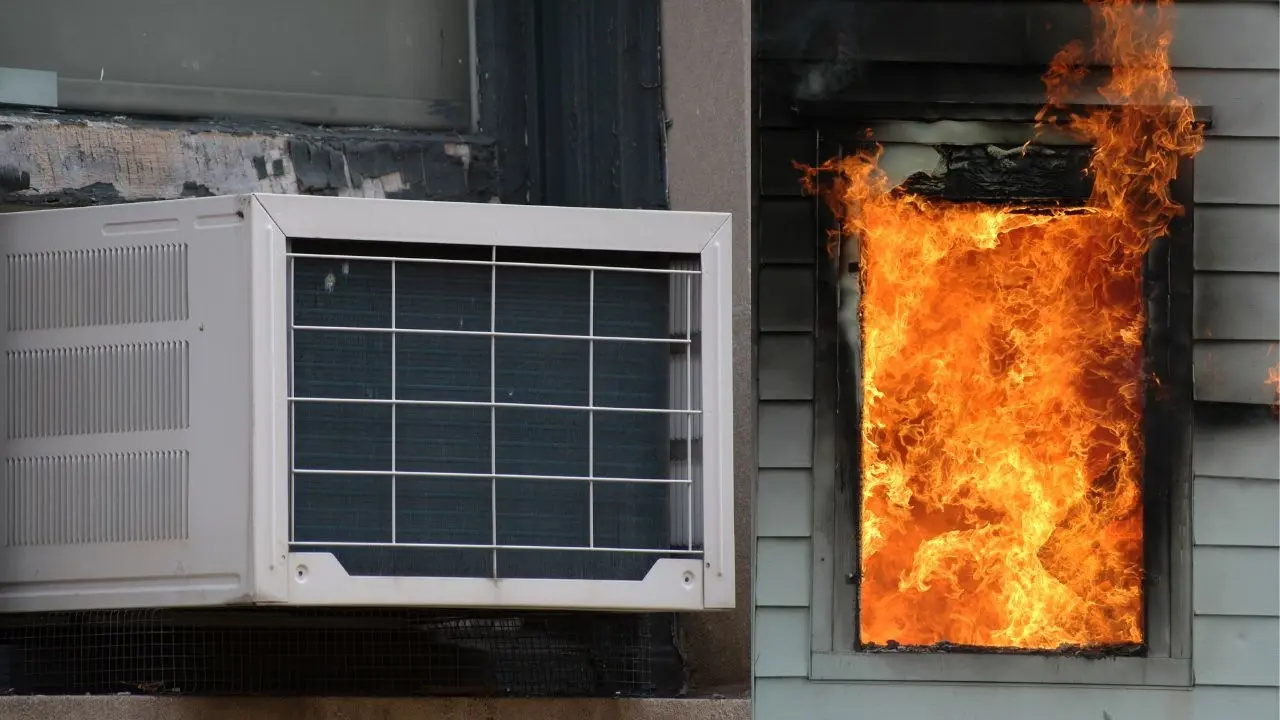
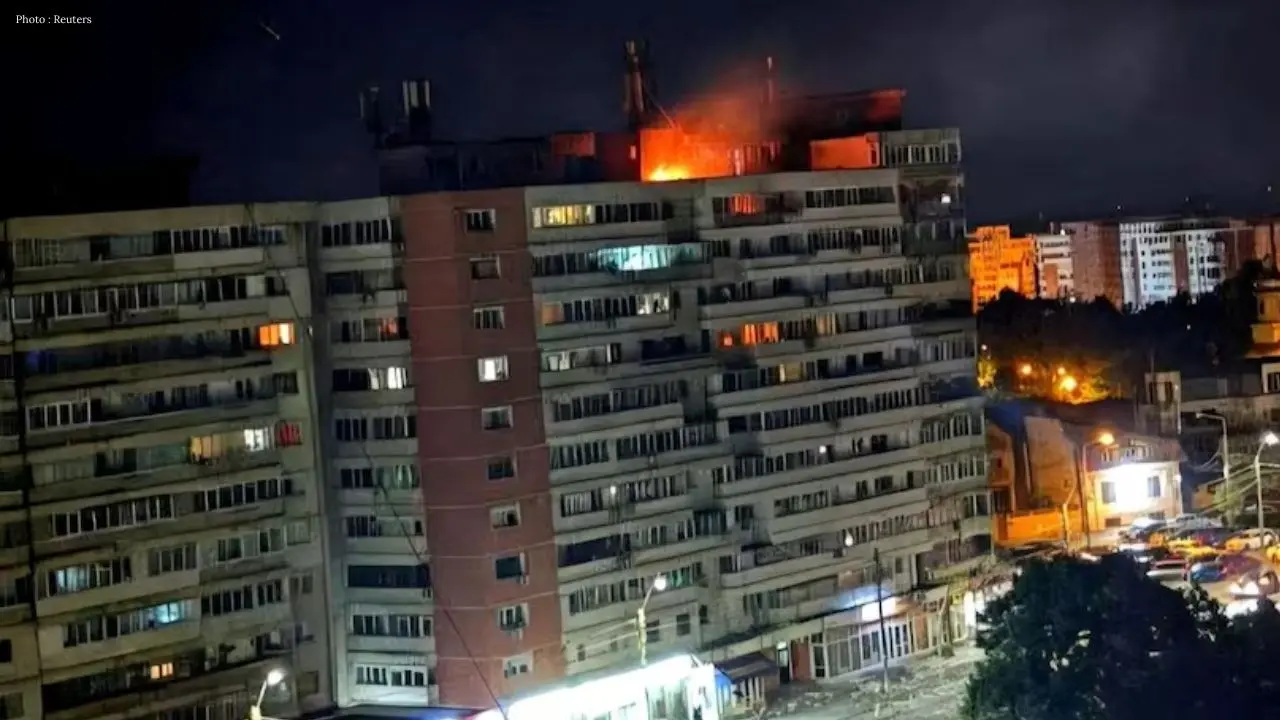
The unfortunate passing of Dhanendra Kumar, a former IAS officer and the inaugural chairman of the Competition Commission of India, underscores urgent safety concerns tied to air-conditioner use during the sweltering summer months. This tragedy unfolded in the Hauz Khas area of Delhi, where an apparent fire from an air-conditioning unit ignited a catastrophic blaze. Early reports indicate that smoke inhalation likely caused his demise, while another family member suffered injuries and is currently receiving medical treatment.
With temperatures climbing across northern India, many are increasingly reliant on cooling devices to combat the extreme heat. Experts caution that continual operation of air-conditioners places undue strain on their systems, heightening the risks of overheating and malfunction. During summer's peak, compressors often run non-stop, making them susceptible to failure if not properly serviced.
Electrical malfunctions rank among the primary causes of urban fires. Fire safety authorities report that numerous incidents in metropolitan areas stem from short circuits, overloaded wiring, and unreliable electrical connections. Given their considerable power demand, air-conditioners can pose significant hazards when linked to outdated electrical systems incapable of accommodating heavy loads.
Another pressing issue is the fluctuation of voltage, which tends to rise during high electricity demand periods. Sudden changes in voltage can harm sensitive AC components and exert further stress on compressors. Experts suggest implementing voltage stabilizers, surge protectors, and inverter technology to enhance appliance security and mitigate these risks.
Additionally, refrigerant gas leaks can lead to perilous conditions within air-conditioning units. If cooling gas escapes through damaged piping, the system will strain to maintain performance, raising the chances of overheating and potential failure. Indications of trouble may include diminished cooling capability, odd sounds, ice accumulation, and warm air emanating from vents.
Neglecting maintenance is a critical driver of many AC-related incidents. Clogged air filters can hinder airflow, causing the system to utilize more energy while operating in hotter conditions. Over time, aging insulation, loose connections, and corroded wiring significantly heighten the likelihood of sparks and short circuits. Safety experts recommend routine servicing before and during summer to ensure all components operate effectively.
Authorities emphasize the importance of staying vigilant for warning signs such as burning odors, smoke, odd sounds, uneven cooling, or frequent automatic shutdowns. It's crucial to have a qualified technician inspect the unit at any indication of trouble. The recent Delhi incident serves as a sobering reminder of the importance of regular maintenance and safe operational practices for air-conditioners. Simple steps like cleaning filters, checking wiring, maintaining outdoor units, and setting the thermostat to between 24 and 26 degrees Celsius can greatly diminish fire risks and promote household safety during intense heat.