Heart specialists are advising people to be vigilant about the initial symptoms that may indicate blocked arteries. Leading cardiac surgeons warn that such blockages are a significant contributing factor to heart attacks and strokes. These issues typically develop gradually over time, often presenting few overt symptoms initially. Early detection allows for effective treatment and management, potentially saving lives.
Blocked arteries, or atherosclerosis, occur when fatty substances known as plaque accumulate within the blood vessels. These vessels are responsible for transporting oxygen-rich blood from the heart to the rest of the body. When arteries narrow or stiffen, blood flow becomes impaired, placing additional strain on the heart and other organs.
A prominent cardiac surgeon highlighted that individuals frequently dismiss subtle cues from their bodies as minor or fleeting. However, these signs may signal a more serious underlying issue. Here are six critical warning signs to monitor.
1. Chest Pain or Discomfort
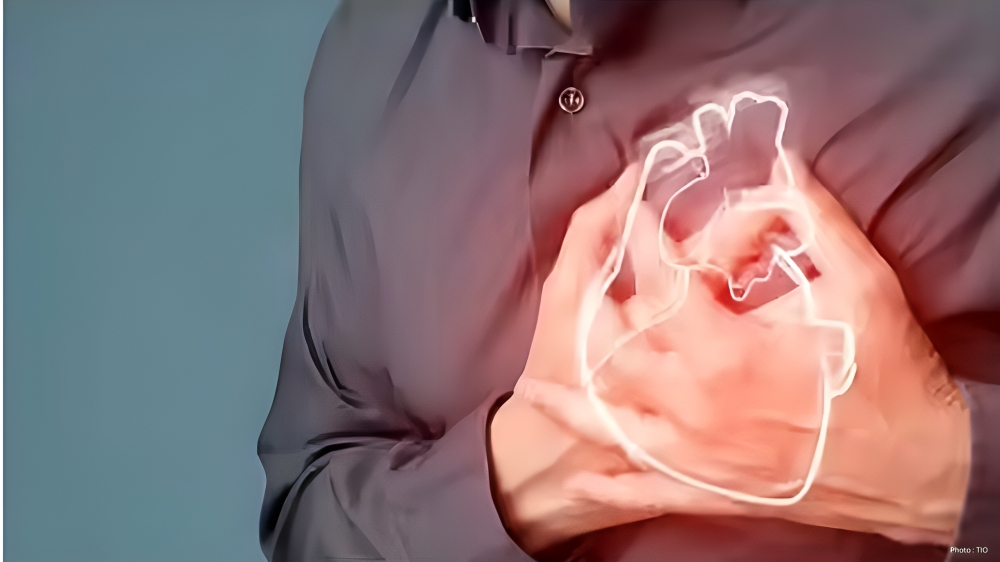
The most prevalent indicator of blocked arteries is chest pain, known as angina. This sensation can be described as pressure, tightness, or squeezing within the chest, often felt like a heavy weight. Typically occurring during physical exertion or periods of stress, the pain usually diminishes with rest. Physicians emphasize that this is a potential early warning of compromised blood flow to the heart.
2. Difficulty Breathing
When the heart is unable to effectively pump blood through constricted arteries, everyday actions like walking or climbing stairs may lead to breathlessness. This struggle arises as the heart attempts to supply oxygen to the muscles, indicating it’s under stress.
3. Unexpected Fatigue
Individuals with blocked arteries often report persistent tiredness, even after adequate rest. A lack of sufficient oxygen reaching the heart can significantly reduce overall energy levels. This symptom may be particularly pronounced in women, who might mistaken it for normal fatigue or stress.
4. Pain in the Neck, Jaw, Back, or Arms
Cardiac-related pain doesn't always manifest in the chest area. It can radiate to other regions such as the neck, jaw, shoulders, or arms due to overlapping nerve pathways. Experiencing discomfort in these areas, especially during physical activities, can signify the presence of blocked arteries.
5. Cold Extremities
A decrease in blood flow caused by blocked arteries can make the hands and feet feel unusually cold or numb. In certain situations, the skin may appear pale or bluish. This is a clear indication of impaired circulation.
6. Irregular Heartbeat or Light-headedness
An irregular heart rhythm, also known as arrhythmia, may occur when the heart struggles to pump effectively. Some may experience sensations of light-headedness or even fainting, signaling that the heart muscle isn’t receiving enough oxygen due to blockages.
These symptoms may develop gradually, and not everyone will experience all of them. Nonetheless, observing even a couple of these signs should prompt a consultation with a physician for a cardiac assessment.
Diagnostic tools like heart scans or blood tests can detect obstructions early on. Depending on findings, treatment might involve lifestyle changes, medications, or possibly surgery. The earlier a blockage is identified, the simpler it is to manage, significantly reducing the risk of a heart attack or stroke.
Experts also emphasize the significance of leading a healthy lifestyle. Maintaining a balanced diet, steering clear of tobacco, engaging in regular exercise, and effectively managing blood pressure and cholesterol levels are all vital for artery health. Consuming fiber-rich foods, fruits, vegetables, and whole grains can help minimize plaque buildup, whereas sugary and fatty foods elevate risk.
The surgeon also pointed out that stress can be a significant factor in heart issues. Addressing stress through mindfulness, sufficient sleep, and regular activity can safeguard heart health.
In many instances, individuals only realize they have blocked arteries following a serious cardiac event that could have been avoided with early intervention. Medical professionals urge everyone, particularly those over 40 or with familial histories of heart disease, to prioritize regular cardiac evaluations.
Heart disease is a leading global cause of mortality, yet awareness and preventive measures can save countless lives. Recognizing these six urgent warning signs and responding promptly can indeed make a vital difference.