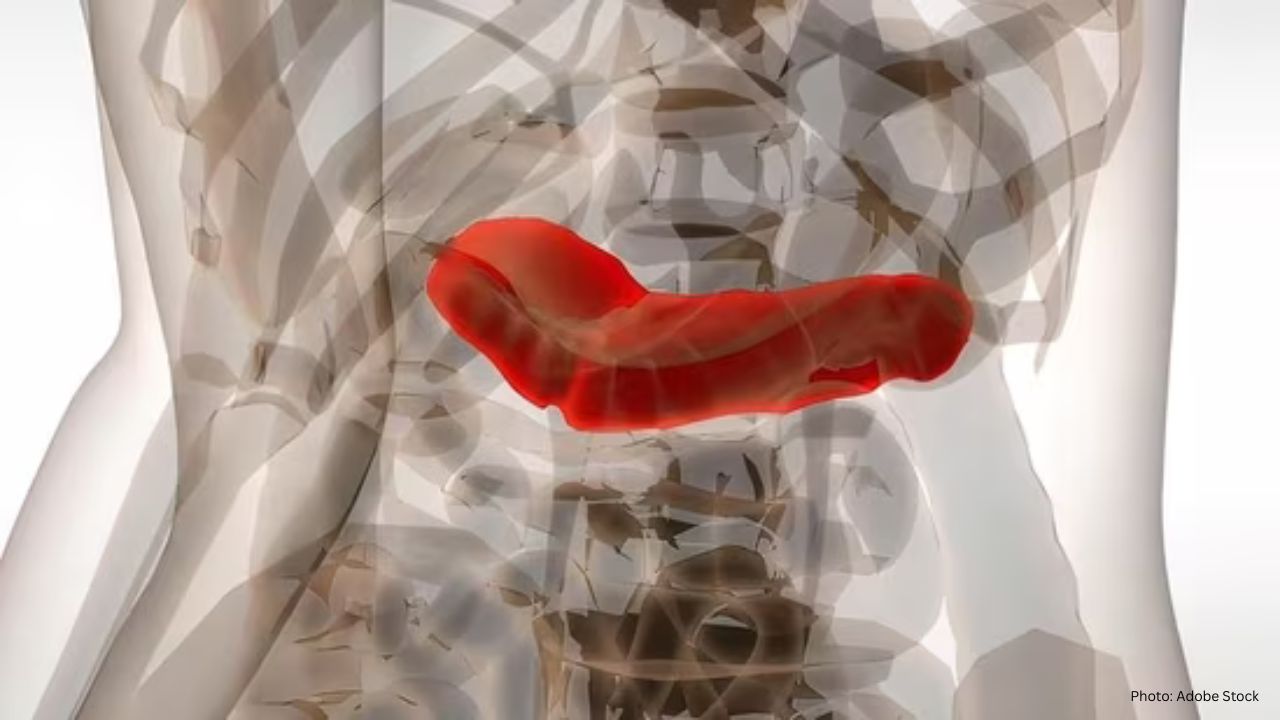
The pancreas, a small but vital organ, plays a crucial role in digestion and blood sugar regulation. Unfortunately, issues related to this gland often go unrecognized until they progress to severe stages. Pancreatic cancer ranks among the deadliest cancers globally and is the twelfth most prevalent. Raising awareness about early warning signs can drastically impact survival rates. On World Pancreatic Cancer Day 2025, Dr. Prasant Chandra, a Surgical Oncologist, emphasized five critical symptoms that could indicate pancreatic disorders, urging vigilance towards subtle signs.
Persistent abdominal pain, particularly that which radiates towards the back, is the first sign to monitor. Many individuals confuse this dull ache in the upper abdomen with common gastrointestinal issues. Dr. Chandra notes that this discomfort can intensify after eating or when lying flat, potentially indicating conditions such as pancreatitis, where the digestive enzymes start harming the pancreas itself. Factors like gallstones, excessive alcohol consumption, or tumors may contribute to this discomfort. Prolonged occurrences should prompt an immediate medical consultation to exclude serious conditions.
Unexplained weight loss serves as another critical warning signal. If your clothing feels looser without any dietary or lifestyle changes, it could signify improper pancreatic function. When the pancreas fails to generate sufficient digestive enzymes, nutrient absorption diminishes, leading to weight loss even if appetite remains stable. Dr. Chandra points out that sudden weight loss, particularly when accompanied by fatigue, bloating, or oily stools, may suggest chronic pancreatitis or possibly pancreatic cancer. Staying alert to these changes can significantly influence outcomes.
Changes in stool consistency and the emergence of jaundice should not be overlooked. Stools that are pale, greasy, foul-smelling, or buoyant can indicate poor fat digestion due to pancreatic issues. Additionally, symptoms like yellowing of the skin or eyes, dark urine, and itchy skin may denote jaundice, which is often connected to liver or pancreatic complications. Unfortunately, many people misinterpret these signs as minor ailments and postpone seeking medical advice, potentially leading to dire consequences. Frequent digestive alterations or jaundice signs necessitate prompt consultation with a healthcare expert.
Moreover, the onset of sudden diabetes or fluctuating blood sugar levels in adults over 50 could suggest underlying pancreatic issues. The pancreas is critical for insulin production that regulates blood sugar. Damage to this organ may result in reduced insulin production, leading to blood sugar instability. In about 10–15% of pancreatic cancer cases, diabetes manifests just months prior to cancer diagnosis. Dr. Chandra stresses the importance of early testing, which includes blood tests for amylase and lipase, as well as imaging techniques like CT scans or endoscopic ultrasounds, in identifying pancreatic diseases sooner and enhancing survival odds. Early-stage pancreatic cancer diagnosis can facilitate surgical interventions with survival rates nearing 60% for eligible candidates.
Recognizing these warning signs and responding promptly can prove lifesaving. Regular health check-ups, timely diagnostic tests, and a keen observation of bodily changes are essential for maintaining pancreatic health. Pancreatic issues may be subtle, but understanding signs like abdominal pain, unexplained weight loss, stool changes, jaundice, and sudden diabetes can pave the way for timely interventions and improved health outcomes.