5 Essential Yoga Poses for Managing Blood Pressure This Winter
While winter often evokes feelings of comfort, it can also introduce health challenges, particularly for those with blood pressure concerns. The drop in temperatures affects our vascular system, leading to reduced circulation and higher energy expenditure. Coupled with decreased physical activity and richer diets, these factors can contribute to elevated blood pressure levels.
Fortunately, by devoting just a few minutes daily to yoga, you can tackle this issue naturally. Yoga not only relaxes your mind but also enhances circulation and warms your body, all without stressing your heart. No gym is needed; find a cozy spot and set aside a little time each day.
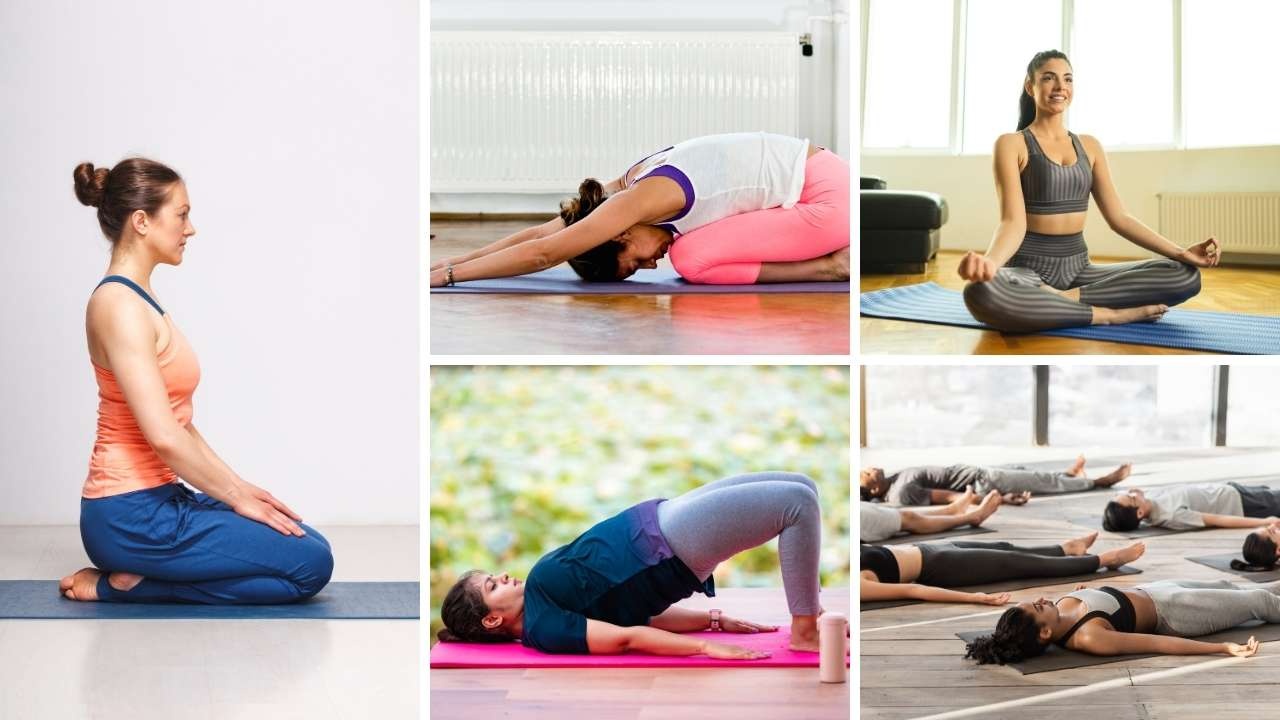
Here’s a detailed guide featuring five yoga poses particularly beneficial for maintaining balanced blood pressure throughout the winter months.
1. Vajrasana (Thunderbolt Pose)
Winter can slow digestion, especially when one consumes heavier meals. Vajrasana is an ideal winter pose, promoting healthy digestion and keeping your internal systems activated.
How to Do It
-
Begin by sitting on your knees, feet tucked under.
-
Ensure your back is straight and shoulders are relaxed.
-
Rest your hands on your thighs.
-
Close your eyes and breathe deeply.
-
Hold this pose for 5 to 10 minutes.
Benefits
-
Facilitates smooth digestion
-
Minimizes gas and bloating
-
Enhances blood circulation
-
Alleviates stress
-
Keeps the body warm
This pose is particularly effective after meals when winter can hinder digestion.
2. Balasana (Child’s Pose)
The cold typically drives people inside, leading to stress and tension. Balasana is a soothing pose that fosters profound relaxation.
How to Do It
-
Start by kneeling and slowly lean forward.
-
Extend your arms forward and rest your forehead on the floor.
-
Maintain slow, calm breathing.
-
Stay in this position for 1 to 3 minutes.
Benefits
-
Encourages deep relaxation
-
Mitigates stress-induced blood pressure spikes
-
Calms the nervous system
-
Eases tension in shoulders and back
Practicing this pose before bedtime can enhance sleep quality and stabilize blood pressure.
3. Setu Bandhasana (Bridge Pose)
Blood circulation can dwindle in winter as blood vessels constrict; Setu Bandhasana opens the chest and promotes heart circulation.
How to Do It
-
Lie on your back with your knees bent.
-
Keep your feet hip-width apart.
-
Gently lift your hips upwards.
-
Hold for 10–15 seconds, then relax.
-
Repeat 3 to 5 times.
Benefits
Performing this pose in the morning helps energize the body and enhances heart function.
4. Sukhasana (Easy Sitting Pose)
Shorter winter days and limited sunlight can dampen mood and energy, resulting in anxiety. Sukhasana is a gentle seated pose that aids in grounding and calmness.
How to Do It
-
Sit cross-legged on the ground.
-
Maintain a straight back and relaxed shoulders.
-
Close your eyes and take deep, slow breaths.
-
Remain in this position for a minimum of 5 minutes.
Benefits
This pose is advantageous both in the morning and evening, particularly in wintertime.
5. Shavasana (Corpse Pose)
The winter can leave one feeling lethargic and heavy. Shavasana is a comprehensive relaxation pose, ideal for reducing stress and stabilizing blood pressure.
How to Do It
-
Lie flat on your back comfortably.
-
Spread your arms and legs lightly apart.
-
Close your eyes and fully relax your body.
-
Breathe naturally for 5–10 minutes.
Benefits
Shavasana is perfect for concluding your yoga practice or taking a break during a demanding winter day.
Tips for Effective Winter Yoga to Control Blood Pressure
To maximize the benefits, keep these winter yoga tips in mind:
-
Practice yoga in a warm environment.
-
Wear comfortable and warm clothing.
-
Hydrate with warm water prior to practice.
-
Move gently, avoiding force in any pose.
-
Aim for daily practice, even if brief.
Winter can inadvertently influence blood pressure due to low temperatures, inactivity, and stress. However, incorporating this simple yoga routine daily can provide effective natural management. These five poses—Vajrasana, Balasana, Setu Bandhasana, Sukhasana, and Shavasana—are accessible, soothing, and profoundly beneficial.
Through consistent practice, you can maintain blood pressure stability, safeguard your heart, and embrace warmth and relaxation throughout the winter.
Disclaimer
This article serves informational purposes and should not replace professional medical advice. Every individual is unique, and yoga may not be appropriate for all. If you have conditions like hypertension, cardiovascular issues, dizziness, past surgery, or other health concerns, consult a medical professional or expert before engaging in these exercises.
Discontinue practice if you encounter pain, discomfort, or difficulty breathing in any pose. Practice yoga gently, in a warm and safe area, and do not exceed your physical comfort. Prioritize your health and safety above all.