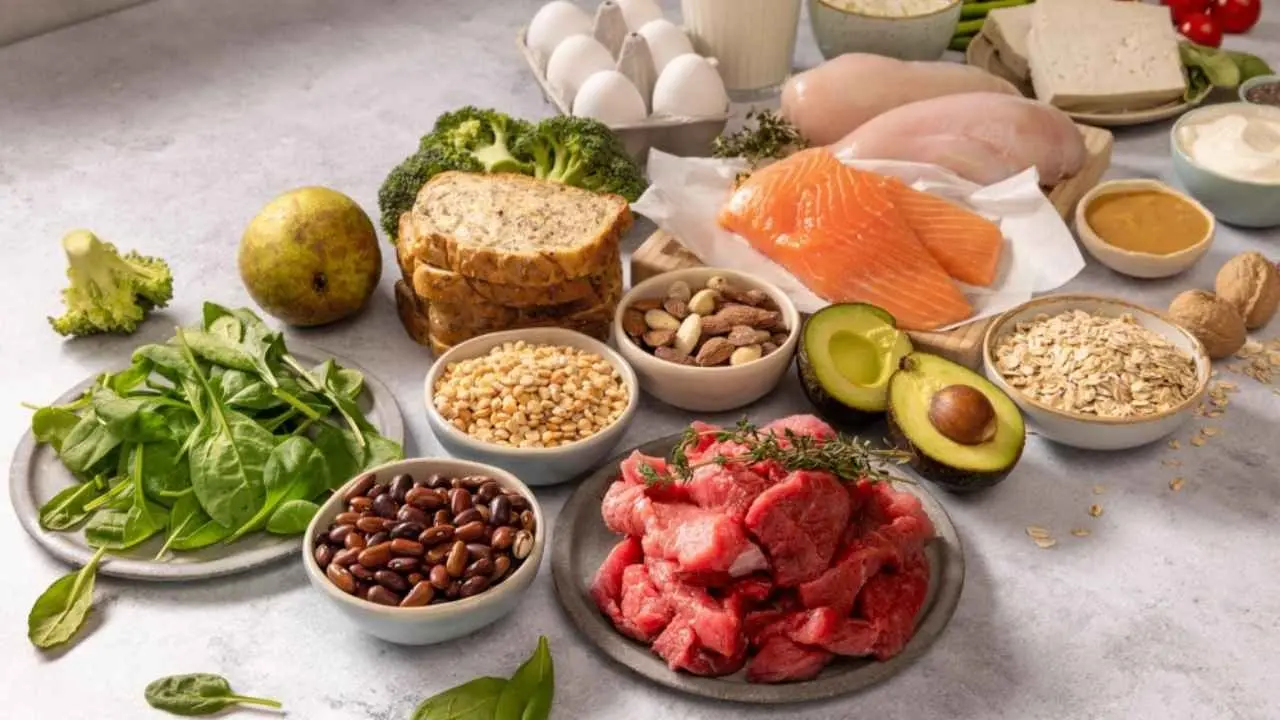
5 Essential Foods for Bone Strength After 30
Crossing the age of 30 often brings noticeable changes in the body. Issues like joint discomfort, fatigue, and slower recovery from physical activities become prevalent. These changes are primarily due to a gradual decline in bone strength. As we age, the body's ability to generate new bone tissue slows down, and the absorption of essential minerals like calcium diminishes. This can lead to weak bones and an increased risk of injuries as time passes.
The good news? You can bolster your bone health daily with smart dietary choices. Experts recommend consistent consumption of foods rich in calcium, vitamin D, magnesium, and protein to maintain bone integrity and counterbalance early bone loss. Often, it's not necessary to rely on supplements as your meals can play a vital role.
Here’s a closer look at five foods that can significantly empower your bones when incorporated regularly into your diet.
1. Dairy Products: Your Daily Bone Allies
Dairy products like milk and yogurt are renowned for their bone health benefits. They offer a rich source of calcium, vitamin D (particularly in fortified versions), and protein—all crucial for robust bones.
Benefits:
-
Calcium forms the backbone of bone structure.
-
Vitamin D enhances calcium absorption.
-
Protein aids in repair and muscle strength.
A serving of milk or plain, low-fat yogurt fulfills a significant portion of your daily calcium requirement without added sugars.
2. Leafy Greens: Nutrient Powerhouses
Leafy green vegetables like spinach, kale, and bok choy are treasure troves of minerals vital for bone health, rich in calcium, magnesium, and vitamin K.
How they help:
-
Vitamin K boosts bone density and lowers fracture risk.
-
Magnesium optimizes calcium usage in the body.
-
Plant-based calcium from these greens is easily absorbed by the body.
Including a side of leafy greens in your meals can substantially enhance your bone strength over time.
3. Nuts: Tiny but Mighty
Nuts, particularly almonds, may be small, but they're packed with nutrients essential for bone health, especially magnesium.
Why they're beneficial:
-
Magnesium activates vitamin D, which assists in calcium absorption.
-
Healthy fats and proteins from nuts are indispensable for flexibility.
-
Their antioxidants aid in minimizing inflammation in joints.
Just a small handful of nuts daily can promote bone health without excessive calories.
4. Eggs: Compact Sources of Vital Nutrients
Eggs serve as a practical source of vitamin D, crucial for calcium absorption. While sunlight is the primary source, eggs—especially the yolk—also provide this nutrient.
Egg benefits:
-
Vitamin D enhances calcium absorption.
-
Protein is vital for maintaining bone tissue.
-
Vitamin B12 contributes to overall bone strength.
Incorporating one egg daily—be it boiled, scrambled, or in an omelette—can significantly improve your bone health.
5. Fatty Fish: Nutritional Powerhouses
Fatty fish like salmon, sardines, and mackerel are excellent sources of vitamin D, calcium, and omega-3 fatty acids, all essential components for healthy bones.
Benefits of fatty fish:
-
Vitamin D plays a crucial role in bone density.
-
Omega-3 helps to alleviate joint inflammation.
-
Fish protein fortifies both muscle and bone structure.
Nutritionists advise consuming fatty fish at least twice a week to support robust bone health.
Understanding Bone Weakness After 30
Healthcare providers note that several factors contribute to bone weakening after the age of 30:
-
The pace of bone formation decreases.
-
Hormonal changes influence calcium utilization.
-
Extended periods of inactivity can weaken both bones and muscles.
-
Lack of sunlight decreases vitamin D levels.
-
Poor dietary choices limit crucial nutrients.
Thus, maintaining a healthy diet and lifestyle is even more critical as we age.
Everyday Practices for Enhanced Bone Health
In addition to consuming the right foods, adopting the following habits can bolster your bone strength:
-
Spend 10-15 minutes in sunlight to increase vitamin D levels.
-
Engage in walking, jogging, or strength training multiple times weekly.
-
Refrain from smoking and limit alcohol consumption.
-
Keep a healthy weight to lessen bone stress.
-
Minimize consumption of sugary drinks and processed foods affecting calcium levels.
Small daily choices can help safeguard your bones for years to come.
Your bones sustain you throughout your entire life; thus, taking care of them after 30 becomes vital. Consuming nutrient-rich foods such as dairy, leafy greens, nuts, eggs, and fatty fish, combined with regular exercise and sunlight exposure, can help prevent bone loss, alleviate pain, and reduce the risk of fractures.
Strong bones are fundamental to a vibrant, active lifestyle. The earlier you start caring for them, the better your chances for long-term health.
Disclaimer
This article provides general information and is not a substitute for professional medical advice. Individuals with health concerns like osteoporosis or dietary restrictions should consult a qualified healthcare professional before altering their diet. Nutritional needs can differ widely, so personalized guidance from a nutritionist is always recommended.