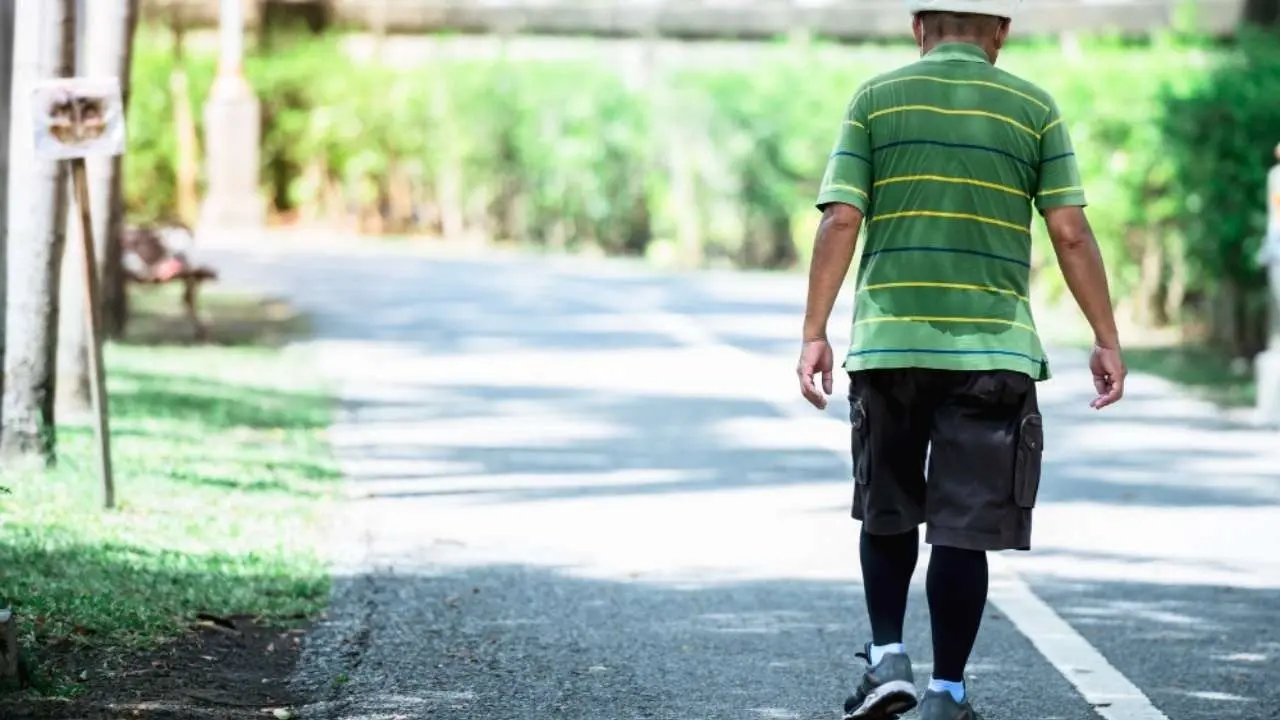
5 Reasons Backward Walking Is Great for Health
Backward walking, or reverse walking, might look unusual at first glance. However, fitness specialists affirm it's a highly beneficial addition to your fitness routine. Most individuals walk forward their whole lives, not realizing the extensive advantages that come from simply alternating their direction for a few moments.
This simple act engages different muscles and challenges your mind and balance. This minor adjustment presents remarkable health benefits—both for your body and brain. Let’s delve into the reasons why incorporating backward walking is worthwhile.
1. Strengthens Underused Muscles
When you walk forward, you repeatedly rely on the same muscle groups. Walking in reverse, however, enlists various muscles—particularly in the thighs, calves, and lower back.
Important Benefits:
-
Fortifies thigh muscles at the front
-
Alleviates knee joint pressure
-
Enhances joint support
-
Promotes better posture
-
Tones legs effectively with minimal effort
Many individuals experiencing knee discomfort find more relief in backward walking as it redistributes weight away from the knees.
2. Enhances Balance and Coordination
The act of walking backward necessitates enhanced focus, thereby challenging your balance. Your body remains alert while your mind meticulously plans each step.
Why It Matters:
-
Reduces risk of falls
-
Boosts coordination between body and mind
-
Fortifies stabilizing muscles
-
Encourages mindful movement
Even a short duration of 2–3 minutes daily can significantly enhance your balance, offering substantial benefits for older adults or those seeking greater stability.
3. Stimulates Brain Function and Sharpness
The practice of walking backward not only influences your physical being but also sharpens your mental faculties. As it’s an unfamiliar movement, your brain needs to work harder to strategize and manage each step.
Brain Benefits:
-
Enhances concentration
-
Boosts memory
-
Facilitates improved decision-making
-
Promotes mental flexibility
-
Encourages expedited thinking
Research indicates that engaging in novel movements activates the brain. Reverse walking is a straightforward way to keep your cognitive functions robust.
4. Increases Caloric Burn in Less Time
Reverse walking consumes more energy compared to forward walking as your body works harder to maintain balance and posture.
Fitness Advantages:
-
Accelerates calorie burning
-
Aids in weight management
-
Safely increases heart rate
-
Enhances short workouts
-
Builds stamina
Just a 10-minute session of backward walking can equate to a longer forward walk in terms of calorie expenditure—ideal for hectic lifestyles.
5. Lowers Joint Strain while Enhancing Posture
Forward walking typically places undue stress on the knees, spine, and hips. In contrast, reverse walking relieves this strain, encouraging better posture.
Joint Health Benefits:
-
Decreases pressure on knees
-
Maintains spine alignment
-
Lessens lower back pain
-
Strengthens core muscles
-
Facilitates smoother movements
This makes backward walking a gentle and safe exercise appropriate for individuals of all ages, including those with joint troubles or recovering from injuries.
Tips for Safely Starting Backward Walking
Should you choose to try backward walking for the first time, consider these safety suggestions:
-
Begin in a spacious, level area like a corridor or park
-
Take it slow and stay conscious of your surroundings
-
Use a railing or wall for support initially
-
Maintain an upright posture with relaxed shoulders
-
Wear well-fitting shoes with good traction
-
Start with 1–2 minutes and gradually increase
Caution:
Avoid backward walking near traffic, edges, water, crowded areas, or sharp turns.
Why You Should Give It a Try
Backward walking is a free, uncomplicated activity that requires no gear but delivers significant benefits by enhancing strength, improving mental acuity, reducing joint pressure, and promoting good posture. Just a few minutes each day can manifest noticeable differences in:
-
Balance
-
Leg strength
-
Mental clarity
-
Posture
-
Overall vitality
Even a modest adjustment, such as walking backward, can yield substantial enhancements to your fitness journey and overall well-being.
Disclaimer
The content presented here is meant for general enlightenment and should not be construed as medical guidance. Individual responses vary, and it's advisable for those with specific health concerns regarding knees, balance, injuries, or other conditions to consult a medical professional or fitness expert before attempting backward walking. Cease activity immediately if any discomfort, dizziness, or pain occurs, and seek appropriate medical advice. Always prioritize safety.