The winter season ushers in chilly winds, shorter days, and various health challenges. With the drop in temperatures, individuals often resort to heaters, spend extended time indoors, and reduce their activity levels. These shifts can impact both physical and mental wellbeing. To help everyone navigate this season safely, neurologist and brain health specialist Dr. Bing has shared three straightforward yet vital tips for maintaining good health.
In a video released on November 15, Dr. Bing highlighted typical winter practices that many overlook, including the use of space heaters, coping with limited daylight, and engaging in physical activities without adequate warm-up. He cautioned that neglecting these practices may lead to significant health risks.
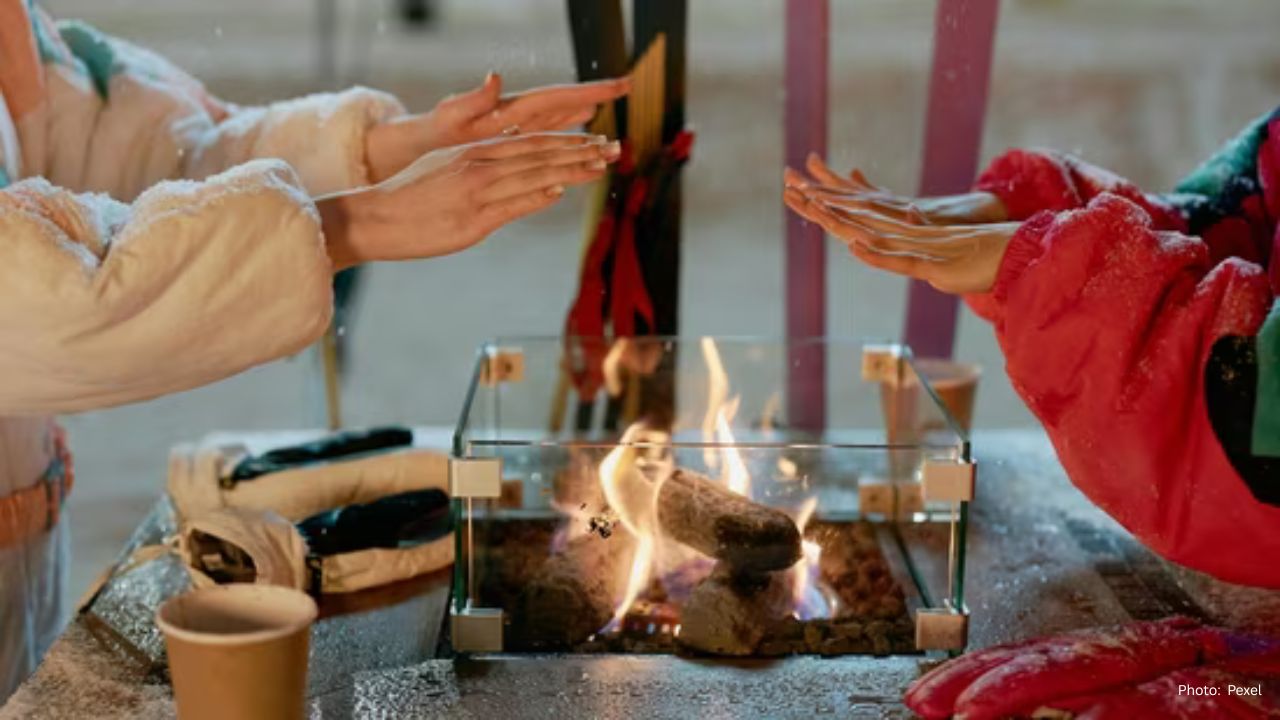
His first recommendation emphasized the careful use of space heaters. While these devices help keep individuals warm, especially in severely cold areas, they are among the leading causes of winter fires. He mentioned that space heaters can become even riskier in poorly ventilated rooms. Some heaters may emit carbon monoxide, a colorless and odorless gas. In enclosed spaces, this gas can reduce the oxygen supply to the brain.
Dr. Bing noted he encounters cases of carbon monoxide poisoning on a yearly basis. Even minor exposure can lead to headaches, confusion, and cognitive issues, while severe exposure can result in brain damage or death. He encouraged people to maintain safe distances between heaters and flammable items, ensure proper ventilation, and install carbon monoxide detectors if possible.
The second point addressed the challenges posed by reduced daylight during winter. As daylight diminishes and sunlight becomes scarce, the brain's chemical balance is altered. Levels of serotonin and melatonin, which regulate mood and sleep patterns, may decrease. This change can result in fatigue, concentration difficulties, and even seasonal affective disorder—a depression type linked to insufficient sunlight.
To combat this issue, Dr. Bing recommended simple actions, such as using a light therapy box for 20 to 30 minutes in the morning to help recalibrate the brain's internal rhythm. He also advised stepping outside when the sun is visible, even for a brief walk, to boost mood. Consistent physical activity is beneficial too, improving hormonal balance and enhancing energy throughout winter.
The final precaution focused on physical activity levels. Many individuals may feel less active in winter due to the lack of visible sweating. However, cold weather can deceive the brain into perceiving the body as less exerted than it is. This misconception can be hazardous, particularly during strenuous activities like snow shoveling or weight lifting.
Dr. Bing warned that sudden exertion in cold conditions may put strain on the heart and potentially lead to strokes or heart attacks in some individuals. To mitigate risk, he advised warming up for five to ten minutes prior to any strenuous task. Stretching and gentle movements can prepare the muscles effectively. He also recommended taking breaks every 15 to 20 minutes to avoid overexertion.
Dr. Bing's overall message was clear: winter demands heightened vigilance and self-care. The season can be both safe and enjoyable when individuals remain mindful of potential risks and adopt healthy practices. Responsible heater use, mental health awareness, and bodily preparation for activities can help avert numerous accidents and health challenges.