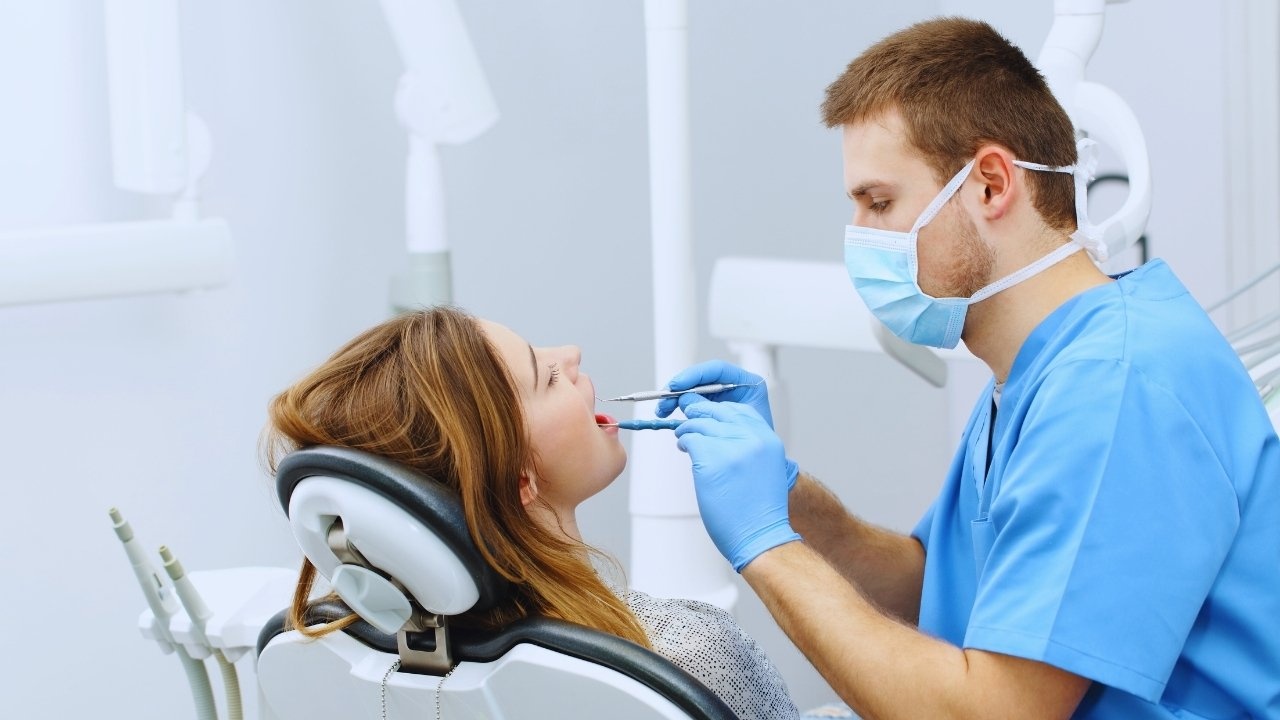
The Importance of Early Detection in Dental Care
Maintaining oral health extends far beyond achieving a dazzling smile. Conditions like tooth decay, gum disease, and oral cancers may develop insidiously over years without noticeable symptoms. Early detection can lead to simpler treatments, reduced costs, improved patient experiences, and better long-term health outcomes.
Dental screenings have traditionally been reactive; patients typically seek help once discomfort or visible issues arise. In many areas, limited access to dental specialists can further delay diagnosis, allowing conditions to exacerbate unnoticed. AI-driven screening tools are set to transform this paradigm from reactive to proactive care. By identifying risks and early disease indicators before significant medical interventions are necessary, these tools promise quicker, more accurate diagnostics and may be scalable in underserved communities.
Capabilities of New AI Screening Tools
AI is making remarkable progress in the domain of dental health screenings. Some crucial functionalities include:
Enhanced Image Analysis
AI technologies, especially those leveraging deep learning, can examine dental X-rays, panoramic radiographs, and intraoral images to detect issues such as cavities, missing teeth, impacted teeth, and lesions. These systems can process vast quantities of images rapidly, leading to quicker diagnostics without compromising accuracy.
Oral Health Scoring Metrics
More than just simple disease detection, AI tools now offer oral health scores that summarize disease severity, risk levels, and anticipated treatment expenses. These evaluations assist clinicians in prioritizing cases and informing public health strategies.
Mobile and Community-Based Applications
For resource-limited areas, AI screening applications that utilize smartphone cameras or portable scanners are currently undergoing trials. Such tools enable community screenings, enhancing accessibility and fostering early interventions where conventional dental care may be limited.
Focus on Preventive Health
AI systems are capable of sifting through large datasets to pinpoint trends and high-risk demographics. This capability bolsters targeted preventive strategies and efficient resource allocation, which in turn enhances overall community oral health.
Improving Workflow Efficiency for Practitioners
AI can serve as a decision-support resource for dentists, signaling potential problem areas, simplifying image interpretation, and standardizing evaluations, enabling clinicians to concentrate more on patient care rather than solely on manual image analysis.
Examples of Real-World Implementations
Several real-world cases demonstrate the promise of AI in dental screening:
-
Dental facilities are adopting AI-powered scanners for diagnosing common issues like decay, gum disease, and misalignments, leading to reduced wait times and improved patient flow.
-
Research initiatives utilizing datasets across various nations indicate that AI can perform on par with or even surpass human clinicians for some tasks.
-
Mobile screening solutions in underserved communities have proven feasible for community-level implementation, facilitating earlier detection for populations with limited dental access.
These instances underscore the transition of AI dental screening from theoretical concepts to practical applications, yielding promising outcomes in real-world situations.
Benefits for Patients, Clinicians, and Health Systems
For Patients
-
Quicker identification of dental issues, often resulting in less invasive procedures and lowered costs.
-
Convenient screening alternatives, such as mobile applications and shorter appointment times.
-
Increased accessibility for remote, underserved, or busy individuals.
For Clinicians
-
Decreased manual image review burden, allowing more time for patient engagement and complex tasks.
-
Standardized detection improves consistency and reduces differences among practitioners.
-
Triage capabilities aid in prioritizing high-risk patients for timely treatment.
For Health Systems and Public Health
-
Risk assessments facilitate targeted resource allocation to vulnerable populations.
-
Early detection can prevent more extensive and costly treatment options, such as root canals or surgeries.
-
Aggregated insights support population-level planning and preventive measures.
Challenges, Limitations, and Ethical Concerns
Data Quality and Bias Risks
AI systems depend on high-quality and representative datasets. Variability in equipment, demographics, image quality, and annotation standards may introduce bias and impact accuracy when used in diverse environments.
Validation and Real-World Applicability
Although AI excels in controlled trials, its performance in actual practice can vary widely. Ensuring effective outcomes across various age groups, ethnicities, imaging methods, and geographical areas remains a hurdle.
Integration into Clinical Workflows
Successful implementation mandates thorough staff training, adjustments to existing workflows, and clearly defined referral paths. Without appropriate integration, AI tools might not reach their full potential.
Ethical, Privacy, and Compliance Issues
Since dental data is sensitive, AI applications must adhere to privacy regulations, secure patient consent, and maintain transparency throughout. Accountability for false positives or negatives alongside compliance with regulatory standards is paramount.
Potential Over-Reliance
AI is intended to complement clinical judgment, not replace it. A clean scan is not an assured indicator of good health; flagged sections warrant professional review.
Accessibility and Financial Constraints
Despite the presence of cost-effective models, some areas may lack the needed devices or internet connection, thus perpetuating inequalities in AI screening access.
Considerations for Dental Practices When Implementing AI Screening
-
Choose solutions that have been validated in practical clinical environments.
-
Align imaging procedures with the requirements of AI technologies.
-
Train professionals to effectively interpret AI-generated results.
-
Create clear pathways for referrals regarding flagged results.
-
Ensure compliance with local privacy regulations.
-
Continuously evaluate tool performance and patient outcomes.
-
Consider cost-efficiency and the impact on patient throughput.
-
Inform patients that AI serves as a support mechanism rather than a substitute for traditional clinical evaluations.
Trends on the Horizon and Future Perspectives
Comprehensive Diagnostics
Future iterations of AI systems may unify X-rays, 3D scans, and patient lifestyle data for comprehensive risk assessments.
Predictive Analysis and Risk Profiling
AI will increasingly predict forthcoming dental risks, facilitating preventive measures ahead of disease escalation.
At-Home and Mobile Screening Solutions
Smartphone-based and portable AI screening options are set to broaden access, especially in underserved regions.
Integration with Proactive Healthcare
AI tools will facilitate connections to custom preventative programs, featuring hygiene instructions, motivational reminders, and remote tracking.
Regulatory Developments and Standardization
Frameworks will emerge to establish performance benchmarks, protocols, and clinician certifications for AI solutions.
Cost Reduction and Wider Availability
As these technologies mature, AI screening will likely become more economical, benefiting public health initiatives and educational programs.
For Patients and Caregivers: What to Know
-
Inquire with dental providers about the use of AI-enhanced diagnostics.
-
Understand that proactive detection can avert extensive dental procedures.
-
Maintain regular hygiene habits, including brushing, flossing, and balanced diets.
-
Recognize that AI supports, but does not replace, regular check-ups and professional insights.
Final Thoughts
AI-driven dental screening is shifting the landscape from reactive care to proactive management. By enabling early detection, risk-based interventions, and improved accessibility, AI can enhance outcomes for patients, healthcare providers, and healthcare systems alike.
Nonetheless, successful deployment requires high-quality inputs, human oversight, and careful integration into healthcare practices. When combined with skilled practitioners and patient engagement, AI screenings can significantly contribute to improved dental health and healthcare quality.