Your Essential Guide to Pairing Wine, Beer, and Spirits with Meals
Disclaimer: This article serves as a general informational resource. Always consume alcohol responsibly and in accordance with local laws and personal health criteria.
Introduction: The Importance of Pairing
Pairing food and beverages goes beyond simple taste—it’s about achieving a symphony of flavors, textures, and aromas. The perfect pairing can enhance a dish's qualities, bring out its ingredients, and turn an average meal into an extraordinary experience. Whether selecting wine, beer, or spirits, mastering how to match drinks with food can immensely enrich your dining moments.
The Concept of Flavor Harmony
The essence of effective pairing is harmony. Your drink should accentuate, not overshadow, the dish. Here’s a handy principle:
-
Align strength with strength. Hearty dishes like steak benefit from pairing with a robust red wine, whereas lighter meals are best enjoyed with refreshing whites or lagers.
-
Embrace contrasts. Sometimes, unexpected flavors create delightful combinations—think spicy curries with sweet Rieslings or salty cheeses with rich stouts.
The Fundamentals of Wine Pairing
Wine pairing is the classic approach to beverage matching. Grasping a few foundational concepts can elevate your hosting skills.
1. Red Wine: Rich and Characterful
Bold reds like Cabernet Sauvignon, Merlot, and Shiraz pair excellently with hearty meals.
-
Best with: Steaks, grilled fare, pasta with red sauces, and aged cheeses.
-
Tip: The tannins in red wine beautifully cut through the richness of fatty dishes.
2. White Wine: Fresh and Versatile
White wines like Sauvignon Blanc, Chardonnay, or Riesling offer refreshing acidity and fruity notes.
-
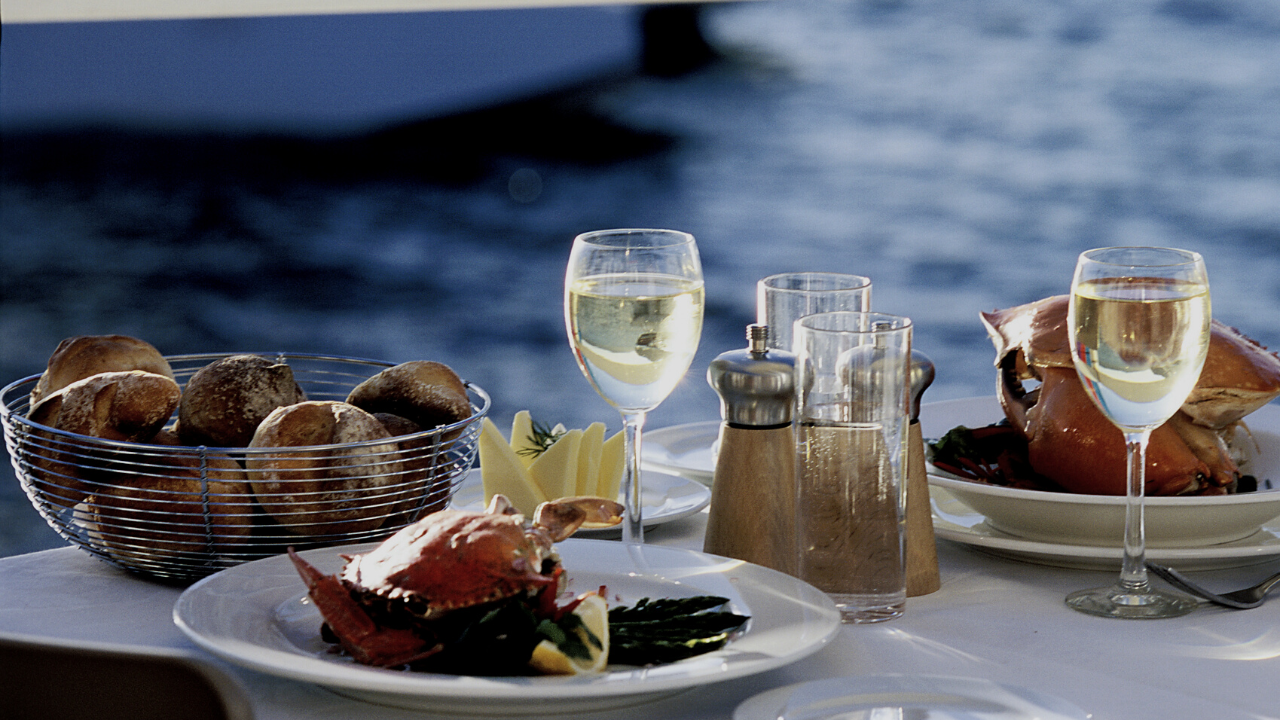
Best with: Seafood, salads, chicken, and creamy dishes.
-
Tip: The acidity in these wines balances the richness of oily or buttery meals.
3. Rosé and Sparkling Wines: Versatile Choices
When in doubt, rosé or sparkling wines can accompany a wide range of dishes.
-
Best with: Charcuterie, light pastas, desserts, and brunch favorites.
-
Tip: The effervescence refreshes the palate, making sparkling wines ideal for multi-course dinners.
Essentials for Beer Pairing
Beer pairing focuses on flavor intensity, bitterness, and texture. Certain beer styles can highlight food nuances that wines might overlook.
1. Crisp Lagers and Pilsners
These beers offer a refreshing experience.
-
Best with: Fried dishes, salads, sushi, and spicier meals.
-
Reason: Carbonation and light body help cut through grease and heat.
2. IPAs (India Pale Ales)
Known for bitterness and citrusy fragrance.
-
Best with: Spicy curries, grilled items, and barbecue.
-
Tip: IPA bitterness can beautifully balance sweet sauces.
3. Stouts and Porters
These rich, dark beers bring a touch of sweetness.
-
Best with: Chocolate desserts, roasted dishes, and strong cheeses.
-
Reason: Their coffee and caramel notes pair well with sweet or smoky foods.
Spirit Pairing Insights
Matching spirits with meals requires finesse; the high alcohol content necessitates a thoughtful approach. Using cocktails or diluted spirits for pairing is often beneficial.
1. Whiskey with Red Meat
The smoky, sweet notes of whiskey can enhance grilled or roasted meats.
-
Try with: Steak, lamb, or smoky barbecue.
-
Expert Tip: A splash of water can unlock flavors effectively.
2. Gin and Seafood
Gin complements fresh, zesty dishes beautifully.
-
Try with: Oysters, grilled shrimp, or ceviche.
-
Expert Tip: A classic gin and tonic with lime serves as an excellent balance.
3. Rum with Tropical Flavors
Rum’s natural sweetness pairs wonderfully with spicier and tropical cuisines.
-
Try with: Jerk chicken, coconut curry, or pineapple-glazed pork.
-
Expert Tip: Dark rum fits richer dishes while white rum suits lighter fare.
Experimenting Like a Pro
Once you know the basics, it’s all about being adventurous. Here are some seasoned tips:
-
Document your experiences. Record successful pairings and the reasons behind your choices.
-
Start with similar intensities. A robust dish merits a strong drink, while lighter dishes call for refreshing options.
-
Leap into contrasts. Sweet and spicy pairs often work beautifully.
-
Don’t forget to cleanse. Use water or neutral snacks like bread for palate cleansing between tastings.
Avoid Common Pitfalls
-
Overlooking sweetness: A sweeter dish than the wine will render the drink bitter.
-
Excessive alcohol: High-proof spirits can overshadow subtle flavors unless handled with care.
-
Strong spices: Intensely spicy foods might clash with tannic wines or bitter beers, so consider lighter options.
Final Thoughts
Pairing wine, beer, and spirits with food is both an artistic endeavor as well as a scientific approach. By grasping the principles of balance, intensity, and complementary flavors, you can craft unforgettable dining experiences—whether at a high-end restaurant or within your own kitchen. Remember, there are no strict guidelines; your palate is your best advisor.