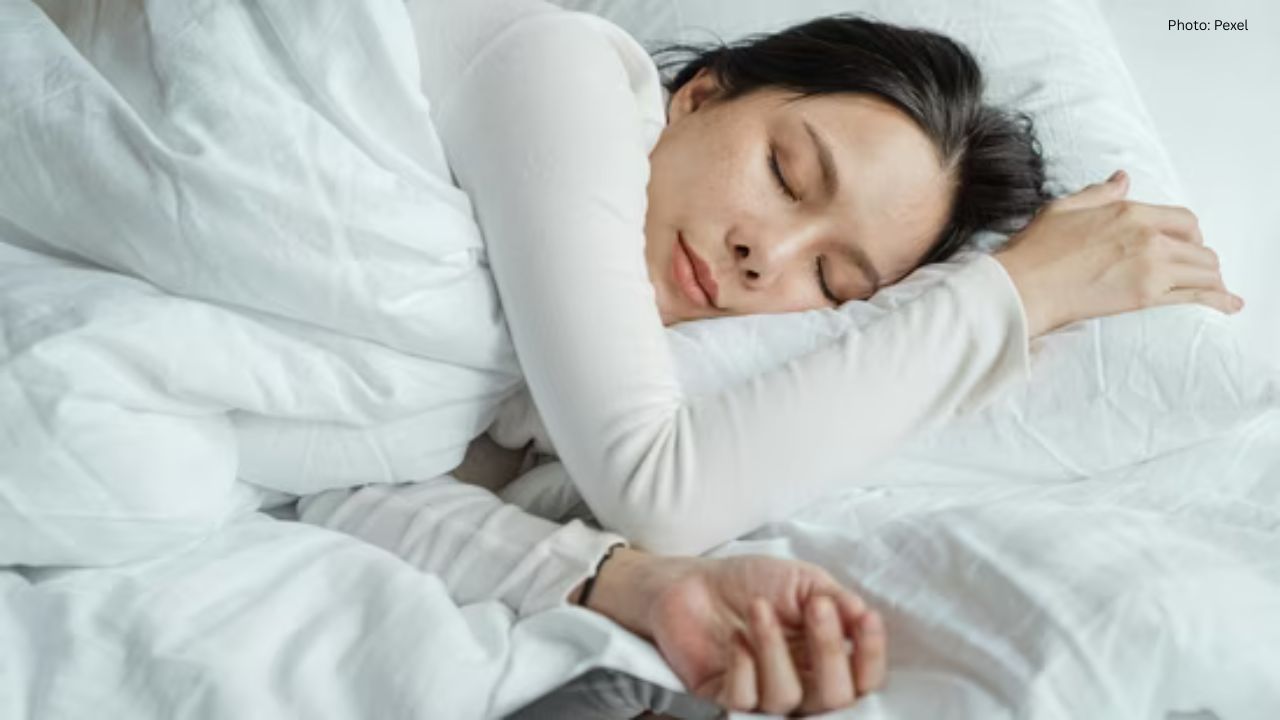
Many women routinely wear underwear to bed, believing it to be hygienic and normal. However, Tennessee-based women's health expert Hailey Puckett argues that this popular practice might not be as beneficial as perceived. She advocates for sleeping without underwear, stating it allows the body to “breathe,” which contributes to improved intimate hygiene and helps avoid various health complications.
In a recent video, Hailey Puckett, a women's health nurse practitioner, elaborated that ditching underwear at night is not merely a comfort choice; it's essential for maintaining the body’s natural balance. The vaginal area requires fresh air and space to stay healthy. Wearing tight underwear during sleep can trap heat and moisture, potentially causing irritation, infections, or excess discharge.
According to her, when the vaginal area is covered for extended periods, it can become warm and damp, upsetting the natural pH balance crucial for controlling bacteria and yeast. A disruption may lead women to experience increased discharge, itching, or discomfort. Many assume that adding more underwear will solve the problem, yet Hailey warns this can exacerbate the situation. “Continuing to hold moisture near the vagina and vulva disrupts the pH,” she explained. “Your body consequently produces more discharge to remedy the issue.”
Hailey’s straightforward suggestion is to give the body a chance to rest at night. She refers to this period as a “reset” for the intimate area. Similar to how skin needs air, the same is true for this sensitive area. Allowing for air circulation helps keep the skin dry and clean, thereby lowering the chances of yeast or bacterial infections.
For those uncomfortable with the idea of sleeping without underwear, Hailey recommends opting for loose, breathable clothing instead. Cotton boxer shorts or soft pajama bottoms are excellent choices, as they allow for airflow and help prevent moisture accumulation. She warns against tight clothing that constricts the body, like fitted shorts or synthetic fabrics that retain sweat. “Stay away from anything that feels constraining around the sides or acts like underwear,” she advised.
Health professionals globally agree that good hygiene is hinged on both cleanliness and balance. Use of heavily scented soaps, sprays, or tight-fitting garments can disrupt the natural bacteria that safeguard the vaginal area. The most effective practice is to keep the area clean with mild soap and water and allow it to breathe, particularly during nighttime.
Furthermore, Hailey's advice addresses a prevalent misconception that discharge is always indicative of an infection. In fact, it is mostly the body’s method of self-cleaning. When the pH balance is thrown off due to persistent moisture or inadequate airflow, the discharge can vary in smell and texture. This can easily be prevented by allowing the area to remain dry and free from tight clothing for a few hours while sleeping.
Medical experts also point out that wearing tight underwear overnight may lead to chafing, rashes, or irritation, especially in warm conditions. Loose-fitting garments and breathable fabrics are generally safer options. Cotton is particularly favorable over synthetic materials because it absorbs moisture and keeps the skin cool.
Although her advice may seem surprising, it is supported by scientific reasoning and awareness of bodily needs. A simple alteration to one's bedtime habits—like opting out of underwear—could greatly improve comfort and long-term health. The practice is cost-free, feels natural, and aligns with the body's ability to maintain cleanliness and balance.
Hailey Puckett’s guidance serves as a reminder that small lifestyle changes can significantly affect health. By allowing the body to rest naturally at night, women can prevent infections, minimize irritation, and awaken feeling rejuvenated and healthier.