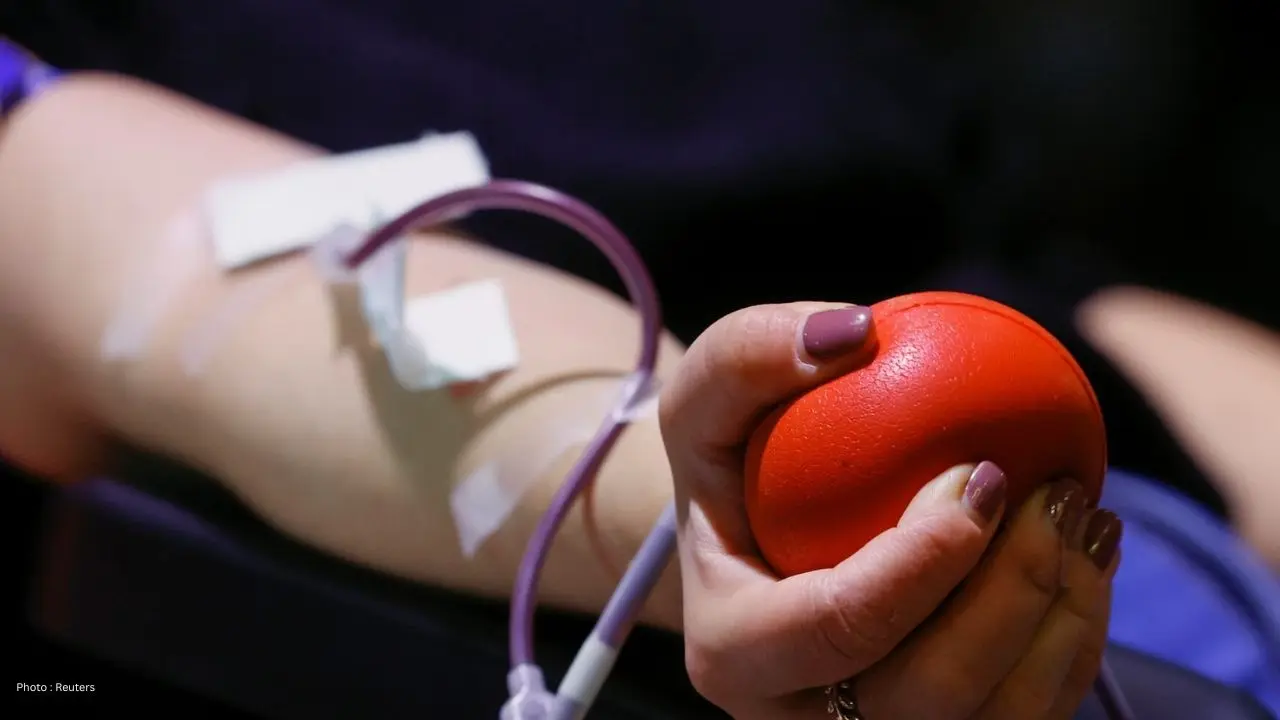
The family of a young Winnipeg woman who died after donating plasma is demanding a new investigation into the safety procedures used at a private plasma collection clinic. The case has raised fresh concerns across Canada about donor screening, staff training, and oversight at for-profit plasma donation centers.
Rodiyat Alabede, an international student at the University of Winnipeg, died in October 2025 after suffering a sudden cardiac arrest shortly after donating plasma at a Winnipeg facility operated by healthcare company Grifols. According to a representative for the family, an autopsy later found that Alabede had an enlarged heart condition that she did not know about before the donation process.
Family representative Katherine Lanteigne said the plasma donation placed “profound stress” on Alabede’s heart and argued that proper medical screening should have identified potential risks before the procedure. The family believes important safety checks may have been missed at the clinic.
The case has become even more serious because Alabede was one of two people reported to have died in Winnipeg after plasma donation procedures within the past year. Health advocates and patient safety groups are now calling for stronger oversight of Canada’s growing plasma collection industry.
Health Canada had previously completed an investigation into the deaths and announced last month that it found no direct connection between the plasma donation process and the fatalities. However, the family and advocacy groups say new medical findings and internal concerns raise additional unanswered questions about the clinic’s operations.
According to advocates involved in the case, there are concerns about staff training and how workers responded during the plasma collection procedure. Lanteigne claimed some clinic staff may not have properly understood machine warning systems or when certain medical steps should have been stopped during the donation process. She described the alleged problems as “egregious” and said the family now has “more questions than answers.”
Grifols has denied wrongdoing and stated that Health Canada’s investigation found no evidence of machine malfunction or staff error connected to the incident. The company also said it is cooperating fully with regulators and reviewing procedures to ensure donor safety.
The situation has started a broader debate in Canada about paid plasma donation clinics and medical oversight. Some health advocates argue that private plasma collection centers may face pressure to process large numbers of donors quickly, while others say plasma donations remain generally safe when proper medical procedures are followed. Discussions online and within Winnipeg communities have also focused on whether additional heart screenings or stricter medical testing should become mandatory before plasma donations.
The family continues to push for a full independent review into the death, while advocacy groups are asking federal authorities to examine safety standards at plasma clinics across the country. The case is expected to remain under public and political attention as calls for greater transparency continue.