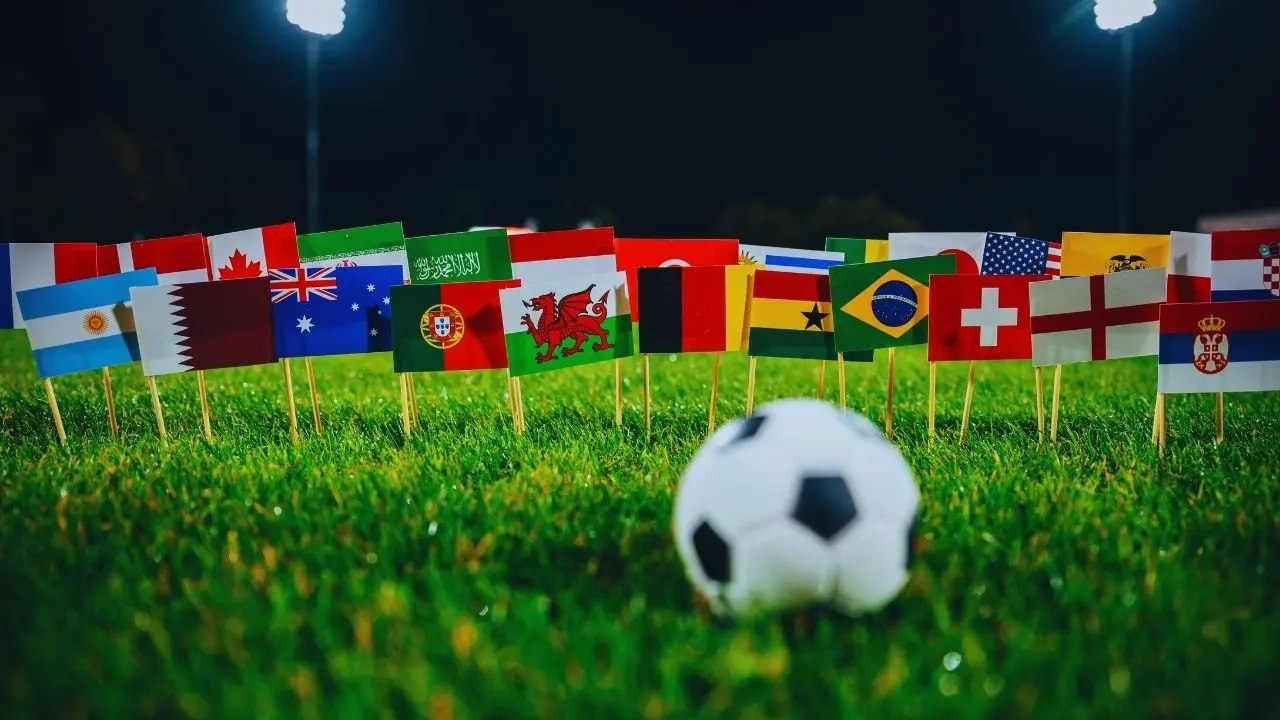
A Tournament Poised for Unmatched Global Attention
Football enthusiasts are gearing up for a transformative tournament. The upcoming World Cup is not merely a continuation of tradition; it represents a revolutionary shift in how sports are experienced globally.
This iteration of the competition is projected to draw in billions of viewers via televisions, smart devices, and streaming platforms. With an enlarged tournament nearly anticipated, industry experts predict a viewing experience that breaks all existing records.
The pivotal question remains: could this indeed become the most-watched sporting event ever?
Not merely the highest-rated World Cup.
It could be the most-watched event in history.
The Groundbreaking Expansion
This World Cup promises to be the biggest yet. More teams, more matches, and greater representation lead to one thing—heightened emotional investment from numerous nations.
When nations compete, viewers pay attention.
When more nations join the fray, the entire world tunes in.
The expanded format will introduce football to territories that have never qualified before, boosting the potential for viewership as each new team signifies millions of additional viewers bonding over exciting matches.
Increased teams equate to richer stories.
More stories mean greater audience engagement.
How Increased Representation Elevates Viewership
When more teams qualify:
-
National pride surges
-
More broadcast opportunities arise
-
Local networks amp up investments
-
Regional sponsorships bloom
-
Global digital traffic amplifies
Football is more than just a viewing experience.
It is a shared emotional journey.
The expansion guarantees that millions who once remained neutral spectators will transform into passionate supporters.
Three Hosts, One Massive Audience
Hosting this grand event among multiple nations extends beyond mere logistics.
It enhances audience reach.
With matches live across different regions, access to several major media markets concurrently will undoubtedly lead to increased viewership through:
-
Prime-time scheduling
-
Regional audience engagement
-
Shared marketing investments
-
Excited cross-border tourism
-
Multilingual broadcasting
More host nations translate to deeper household reach.
More homes will illuminate their screens.
Technology: Bridging Fans to the Action
Digital accessibility has redefined viewership. This World Cup arrives in an era where fans consume matches across devices, from smartphones to smartwatches.
But the experience won't be confined to screens.
Technology promises:
-
Augmented visual spectacles
-
Multiple angle replays
-
Language adaptation
-
Interactive statistics during matches
-
Fan voting mechanisms
-
Live second-screen content
The matches will connect with fans in their environments.
Technology will amplify access.
Streaming as the Game Changer
Past tournaments relied heavily on television ratings.
This tournament will be evaluated through clicks, taps, and total engagement.
Digital platforms enable:
-
On-demand viewing
-
Real-time global access
-
Support for multiple devices
-
Personalized viewing experiences
-
Replays available anytime, anywhere
Fans traveling across continents will remain engaged without interruption.
This tournament thrives in the cloud, not solely in stadiums.
The Emergence of a New Football Generation
Younger fans interact with sports in novel ways.
They don’t await highlight reels.
They create them.
They share their reactions, produce edits, establish fan pages, and produce content montages in real-time.
Football merges with culture, transcending mere competition.
This new fan generation:
-
Streams games while engaging online
-
Shares highlights within moments
-
Initiates discussions during matches
-
Engages in vibrant fan communities
-
Shares live reactions across social media
A tournament embraced by this generation doesn’t just rake in viewers.
It amplifies viewership on social platforms.
Football's Global Appeal
In contrast to various sports tied to specific regions, football has a universal appeal.
A ball is the sole necessity.
Football thrives in:
-
Small villages
-
Urban centers
-
Coastal areas
-
Wooded fields
-
Refugee communities
-
School playgrounds
This accessibility fosters unmatched cultural reach.
When this tournament kicks off, millions who have never traveled abroad, attended matches, or purchased merchandise will still be glued to their screens.
Because football resonates universally.
Time Zone Advantages
Scheduling impacts everything.
Where matches occur across time zones assures:
No single region will dominate viewership hours.
The tournament will come alive 24/7.
Morning in one part of the world.
Evening in another.
The ball is always in motion.
Anticipated Record-Breaking Viewership
Past tournaments have recorded billions of viewers.
Yet this one holds advantages:
-
Digital expansion
-
Dominance of streaming platforms
-
Larger global population
-
Heightened availability in emerging markets
-
Mobile-centric audiences
-
Enhanced network infrastructure
Viewership growth constrained by television reach no longer exists.
Now, even remote areas with smartphones can witness live matches.
Viewership can roam freely on various networks.
Emerging Markets as Viewership Catalysts
Nations previously viewed as "non-football" markets are evolving into significant players.
The rise of internet access is introducing the world's premier tournament to millions previously unaware.
Now, they view.
Now, they support.
Now, they care.
As engagement rises, so does viewership.
The Digital Stadium of Social Media
Fans will immerse themselves beyond passive viewing.
Trending hashtags, immediate reactions, live debates, and engaging memes will all play a role in driving viewership.
Digital conversation will propel engagement to new heights.
This event is not just a ninety-minute affair.
It extends into four weeks of intense global focus.
Football’s Unique Emotional Connection
Other sports generate fans.
Football ignites passion.
One remarkable goal can:
-
Transform careers
-
Shatter dreams
-
Unify nations
-
Develop legends
-
Alter history
No other sport bears such emotional significance.
And emotions fuel viewership.
Fans don’t merely watch.
They engage with fervor.
The Economic Ripple Effect of Viewership
Elevated viewership spurs economic growth.
Increased ad spending and sponsorships, merchandising surges, expanded tourism, and rising streaming subscriptions will all emerge.
This World Cup will:
-
Enhance global ad revenue
-
Generate thousands of digital job opportunities
-
Support broadcasting industries
-
Broaden sports content markets
More viewers translate to greater influence.
Inclusive Language and Accessibility
More languages will be featured in broadcasts than ever before.
Fans will hear commentary in familiar dialects, graphics will reflect culture, and streaming will tailor unique experiences.
Football will feel local to every viewer.
Potential Challenges to Record-Breaking Viewership
Even monumental events face challenges.
Concerns may include:
However, individually, these challenges cannot eclipse the overwhelming global demand for football.
The desire already exists.
Infrastructure is developing to support it.
What Sets This Tournament Apart from Major Events
Football tournaments endure longer.
They span numerous nations.
They appeal across age groups.
While the Olympics showcase various sports, football unites the world through a singular game.
One ball.
One goal.
One collective joy.
The Challenge of Audit: Counting Viewers
So, how do we tally billions?
This tournament will question conventional metrics.
Viewership will encompass:
Accurate counting will be a challenge.
However, trends indicate one thing:
Numbers will be record-breaking.
Understanding Fans’ Desires
Fans crave:
-
Drama
-
Heroes
-
Miracle moments
-
Underdog narratives
-
Emotional highpoints
-
Celebratory scenes
-
Iconic imagery
And the World Cup consistently delivers.
Every single time.
Conclusion: An Unparalleled Global Event
All signs point toward an undeniable conclusion.
This tournament holds:
It is destined to become the most-watched event in history.
Not just within football.
Not merely in sports.
But in the entirety of global entertainment.
The world will pause.
Screens will radiate.
Goals will echo worldwide.
And a new era of viewership history may begin.
DISCLAIMER
This article serves informational and analytical objectives only. Viewer projections and anticipations stem from trending sports broadcasting data, and actual viewership may be influenced by various external factors.