The World Health Organization has officially declared the Ebola outbreak in Democratic Republic of the Congo a global health emergency after the virus caused at least 88 deaths and raised fears about wider international spread.
Health officials said the outbreak has continued to expand in several affected regions, with medical teams struggling to control infections in remote and densely populated communities. The declaration by the WHO is aimed at increasing international coordination, funding, and emergency response efforts to contain the deadly virus before the situation worsens further.
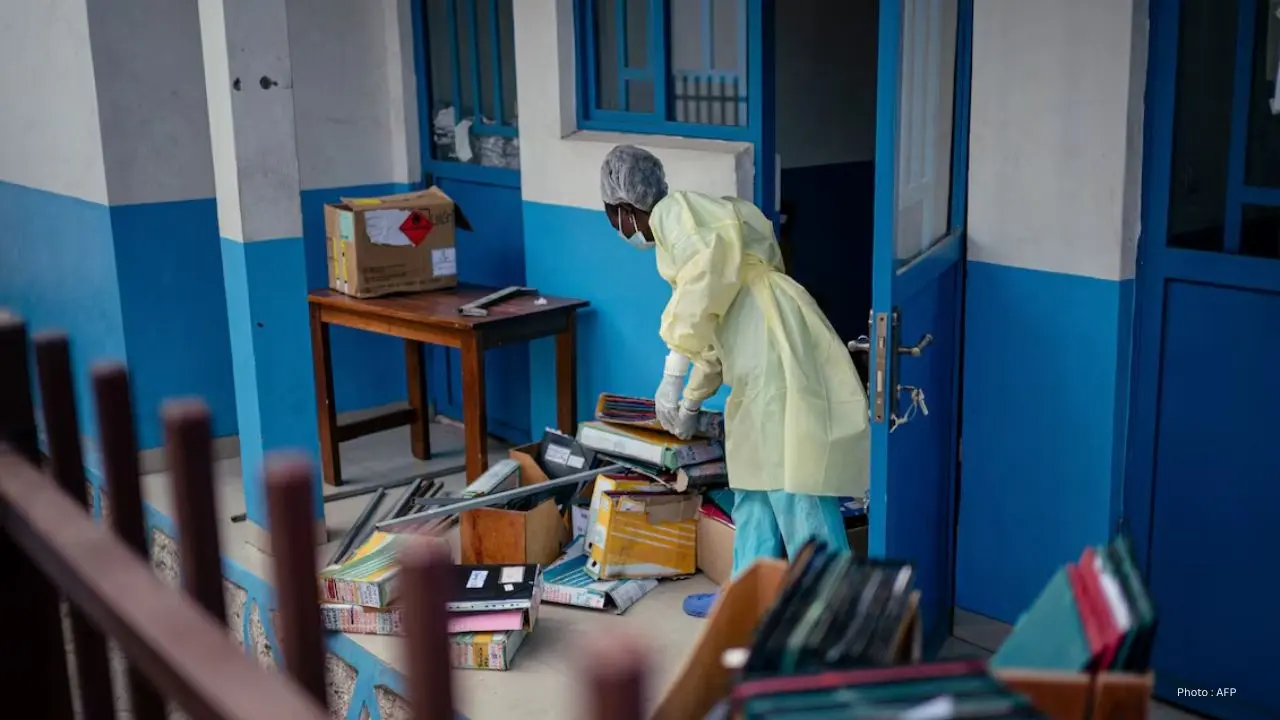
According to health authorities, dozens of confirmed and suspected Ebola cases have been reported in recent weeks. Emergency medical teams are now carrying out contact tracing, testing, quarantine measures, and vaccination campaigns in an effort to stop transmission.
The WHO stated that the decision to classify the outbreak as a global emergency was made because of the growing risk of regional spread and concerns over healthcare capacity in affected areas. Officials warned that weak medical infrastructure, population movement, and security challenges could make containment efforts more difficult.
Ebola is a severe and often deadly viral disease that spreads through direct contact with infected bodily fluids or contaminated materials. Symptoms can include fever, weakness, vomiting, diarrhea, and internal bleeding. Past Ebola outbreaks in Africa have caused thousands of deaths and placed major pressure on public health systems.
Medical experts say rapid identification of cases and community cooperation are critical for controlling the outbreak. International aid agencies and health organizations have begun sending additional medical supplies, protective equipment, and healthcare workers to support local response teams in Congo.
Authorities are also monitoring neighboring countries closely to prevent cross-border transmission. Airports, border checkpoints, and regional healthcare facilities have increased screening measures as governments attempt to limit the spread of the virus.
The outbreak has created fear among local communities, especially in areas where access to healthcare remains limited. Some health workers have faced challenges related to misinformation, distrust, and difficult working conditions while trying to treat infected patients and educate the public.
Global health experts warned that Ebola outbreaks remain a serious international concern because the virus can spread quickly if not controlled early. However, officials also emphasized that modern vaccines, improved medical response systems, and international cooperation have strengthened the ability to fight outbreaks compared to previous years.
The WHO urged countries around the world to remain alert, support emergency health efforts, and avoid panic while experts continue working to contain the outbreak in Congo and prevent further loss of life.