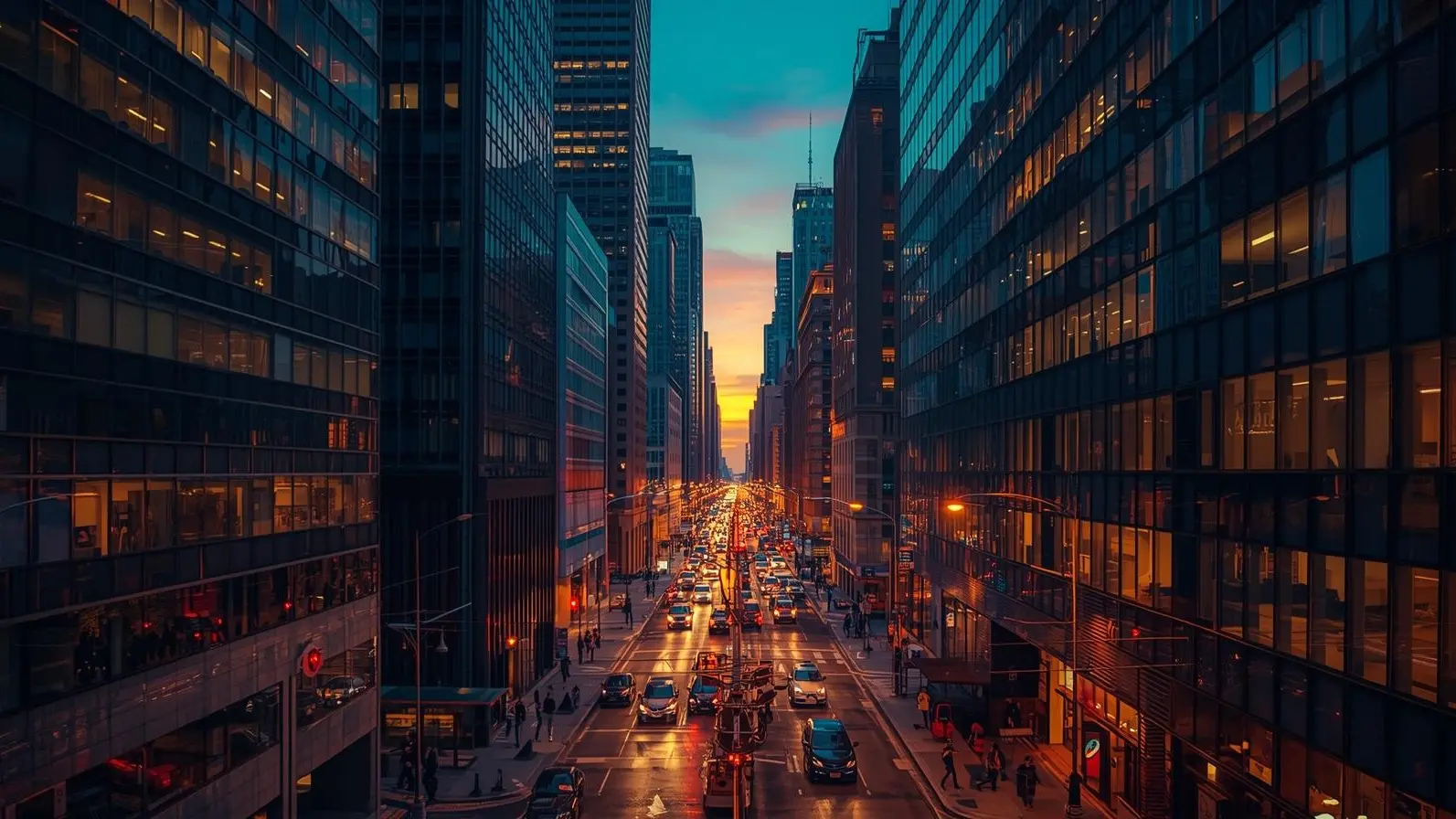
What Makes a City Feel Comfortable or Draining?
While two cities might offer comparable salaries, infrastructure, and opportunities, residents often perceive them quite differently. One may feel inviting and manageable, whereas the other can feel taxing and overwhelming. This disparity is far from coincidental. The way a city feels— easy or exhausting to live in—is influenced by a combination of existing systems, daily grievances, and psychological elements that affect everyday living. People frequently blame themselves for feelings of fatigue or dissatisfaction, believing they merely need to “adjust.” In truth, some cities are inherently demanding, while others succeed in minimizing both mental and physical stress. Recognizing these elements not only aids individuals in making informed city choices but also equips policymakers with insights to develop better urban environments.
The Daily Efforts of Navigating Life
A crucial factor that determines a city's livability is the effort required for routine tasks.
Time Spent on Daily Essentials
Cities can wear residents down when simple chores take an inordinate amount of time. Lengthy wait times, sluggish services, and poor coordination escalate daily mental fatigue.
In contrast, user-friendly cities enable residents to:
-
Run errands swiftly
-
Access services with clarity
-
Transition easily between activities
When everyday life runs smoothly, individuals can conserve energy for work, family time, and rejuvenation.
Balancing Friction and Flow
Poorly planned cities require residents to engage in constant problem-solving. Issues like traffic jams, confusing signs, inconsistent regulations, and unreliable services create friction, leading to fatigue and stress over time.
Transport Woes and Commute Dynamics
Transportation quality is a major determinant of a city's livability.
Commute Duration and Reliability
A 30-minute reliable commute often feels more manageable than a 20-minute unreliable one; uncertainty breeds anxiety and disrupts daily routines.
Cities become exhausting when:
-
Long and unpredictable commutes
-
Overcrowded or unreliable public transport
-
Poorly maintained roads
In contrast, user-friendly cities emphasize:
-
Shorter commute distances
-
Reliable public transport systems
-
Accessibility for walkers and cyclists
Everyday travel should not feel like a struggle for survival.
Income Versus Living Costs
High salaries alone do not guarantee a city is easy to live in.
The Strain of Financial Disparity
Living can become burdensome when:
-
Rent consumes a large portion of income
-
Daily costs rise more quickly than wages
-
Unexpected expenses feel unmanageable
Even those with substantial incomes experience pressure when financial margins are tight.
The Psychological Comfort of Affordability
Easy cities offer:
Living Conditions and Quality of Housing
The quality of a person's living space directly influences their daily energy levels.
Impact of Overcrowding and Poor Design
Small, poorly designed, or noisy homes contribute to tiredness. Continuous exposure to noise, lack of sunlight, and restricted personal space affects mental well-being.
Neighborhood Utility
Cities are easier to navigate when neighborhoods provide:
-
Convenient access to grocery stores and essentials
-
Green areas for recreation
-
Safe, clean streets
When daily necessities are within easy reach, life feels lighter.
Access to Natural Spaces and Restorative Breaks
Humans thrive in natural environments, not just concrete jungles.
The Refreshing Influence of Nature
Cities with easily accessible parks, waterfronts, or tree-lined avenues enable residents to rejuvenate mentally without extensive planning.
Cities feel exhausting when:
-
Natural spaces are limited or overcrowded
-
Residents need to travel long distances for nature
Friendly cities incorporate nature into everyday life, treating it as an essential rather than a luxury.
Noise, Crowding, and Sensory Overload
Urban environments constantly engage the senses, and the intensity of this stimulation greatly affects comfort.
The State of Constant Alertness
Harsh sounds, congested streets, intrusive advertising, and visual chaos keep individuals in a perpetual state of alertness. Over time, this leads to fatigue, even without physical exertion.
Creating Sensory-Friendly Spaces
Cities that are deemed easy to live in:
Cultural Work Ethos and Life Rhythms
The prevailing work culture in a city impacts residents even beyond their jobs.
Work-Driven Cities
Cities that celebrate overwork impose continual pressure. Long hours, competitive settings, and fears of inadequacy make relaxation feel unwarranted.
Balanced Cities
Cities feel more manageable when:
Social Structures and Community Engagement
Cities embody more than just structures—they represent social frameworks.
Facilitating Relationships
Cities with a lack of social engagement feel draining, even when operationally efficient. If social interactions are challenging or feel transactional, emotional resources are depleted rapidly.
Cities that are deemed friendly support:
Complexity of Bureaucracy and Administrative Stress
The experience of city systems plays a crucial role in residents' lives.
The Burden of Administrative Procedures
Cities with convoluted paperwork, ambiguous rules, and uneven enforcement generate frustration. When achieving simple tasks demands repeated visits or clarifications, residents often feel powerless.
Trust in Municipal Systems
Cities that facilitate ease of operation include:
Ensuring Safety and Personal Security
A constant sense of insecurity keeps the body in a state of stress.
Feeling Safe and Secure
Cities feel burdensome when residents:
-
Are perpetually cautious
-
Steer clear of specific areas or times
-
Harbor doubts about emergency protocols
In contrast, easy cities ensure:
-
Consistent public safety measures
-
Well-lit communal areas
-
Quick emergency responses
A secure environment fosters relaxation.
Climate Considerations and Environmental Comfort
Weather conditions affect energy levels more than is often acknowledged.
Adapting to Climate
Extreme temperature fluctuations, humidity, pollution, and cold add to physical strain. Cities that fail to adjust their infrastructure to suit climatic conditions increase exhaustion.
Easy cities:
-
Provide climate-friendly housing
-
Supply shaded public areas
-
Control pollution levels
A comfortable environment bolsters daily energy levels.
Cultural Norms and Societal Expecations
Implicit norms can be draining.
Performance and Comparison Pressure
Cities that emphasize comparisons in lifestyle, successes, or appearances heighten mental tension.
Acceptance and Cultural Diversity
Life feels easier in cities where:
-
Diverse lifestyles are welcomed
-
Constant judgment is avoided
-
Individual rhythms are respected
Freedom from unnecessary pressures mitigates fatigue.
Impact of Urban Design on Mental Well-Being
City architecture and planning have substantial effects on mood and behaviors.
Prioritizing Human Experience
Cities prioritized for vehicles and efficiency often neglect human experiences. Expansive roadways, isolated structures, and a dearth of gathering spaces breed alienation.
User-friendly cities emphasize:
Why Some Thrive While Others Feel Burned Out
No city resonates the same for all individuals.
Personal Compatibility
A city feels accommodating when it corresponds with:
Selecting a City That Resonates With You
Instead of asking which city reigns supreme, pose these questions:
-
What level of effort does this city require daily?
-
Does living here invigorate or deplete me?
-
Can I easily recuperate from stress?
>The right city should support well-being rather than present constant challenges.
Final Thoughts on Easy Versus Taxing Cities
Cities not only serve as habitats—they influence personal experiences. A city designed to be welcoming diminishes friction, conserves energy, and encourages growth without incessant strife. Conversely, a taxing city drains time, attention, and emotional reserves.
Comprehending these dynamics enables individuals to make informed relocation choices and prompts leaders to create urban spaces that prioritize community well-being over mere economic agendas.
Disclaimer
This article serves solely for informational purposes and offers general insights into urban living conditions. Personal experiences may differ based on numerous factors, including lifestyle preferences and local variables. The content is not intended to serve as professional guidance in urban planning, psychology, or relocation.