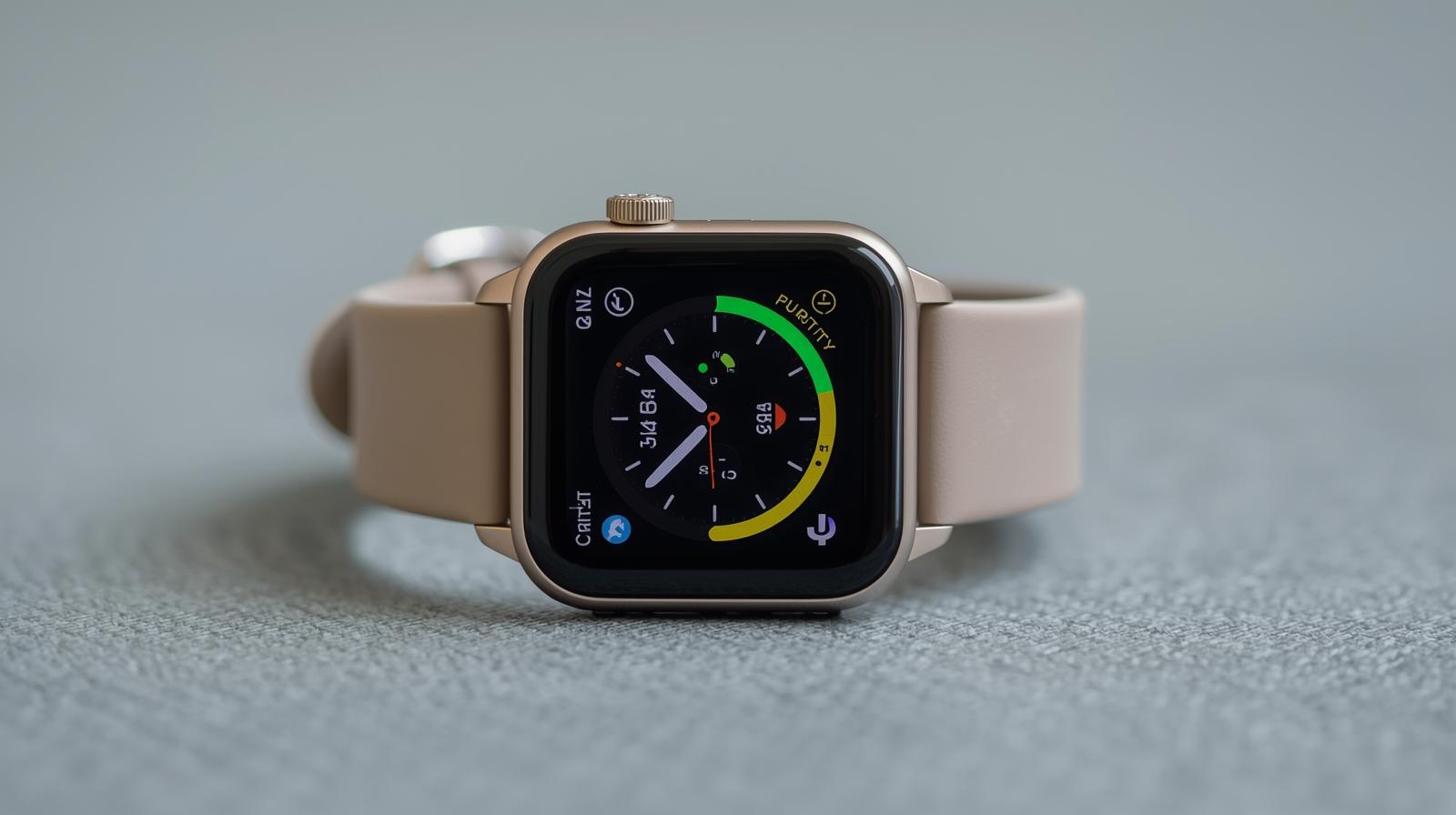
Wearables and Well-Being: A New Chapter in Personal Health Monitoring
In an era where technology follows us everywhere, wearable devices have matured past novelty gadgets into vital companions for everyday health. From smartwatches and fitness bands to compact ECG readers and sleep monitors, these tools give people and clinicians fresh ways to observe, interpret, and act on health signals in real time. Whether tracking heart rhythms, blood oxygen, stress markers or sleep patterns, wearable health tech is changing how we manage wellness.
The Growing Influence of Wearable Health Devices
While the concept isn’t brand new—think pedometers and chest straps—recent leaps in sensor design, artificial intelligence, and on-the-fly analytics have turned wearables into powerful health partners.
Today’s popular models like the Apple Watch, Fitbit, Garmin, and Oura Ring do far more than tally steps: they can spot irregular heart activity, measure blood oxygen levels (SpO2), estimate stress, and map sleep phases with growing precision.
Market analysts predict the global wearable health device market will top $150 billion by 2028 as consumer demand for continuous, data-led wellness grows.
1. Continuous, Real-Time Monitoring
One of the biggest benefits is uninterrupted data flow. Instead of waiting for a clinic visit, you can now see how your heart or sleep fares hour by hour.
Devices measure steady streams of key vitals such as:
-
Heart rate (HR) and heart rate variability (HRV)
-
Steps taken and calories burned
-
Oxygen saturation (SpO2)
-
Sleep duration and quality
-
Skin temperature
-
Electrocardiogram (ECG)
This steady feedback loop helps people make immediate choices—slow a run, rehydrate, or wind down earlier—based on what their body is signalling.
2. Spotting Problems Earlier
Wearables now serve as early alert systems, not just activity trackers.
Real-world examples include:
-
The Apple Watch’s ECG has alerted users to irregular heartbeats (such as atrial fibrillation), prompting timely medical follow-up.
-
Devices like the Fitbit Sense and Withings ScanWatch flag signs of stress, exhaustion or breathing issues.
-
Ongoing blood oxygen and heart monitoring plays an important role for people managing asthma, COPD and sleep apnoea.
By detecting subtle changes early, wearables can help avert emergencies and reduce unnecessary hospital visits.
3. Nudging Healthier Daily Routines
Wearables act as gentle coaches—turning healthy choices into rewarding, game-like goals with reminders, streaks and achievements.
Research shows users of these devices are likelier to reach daily activity targets, improve nutrition, and prioritise rest. The immediate feedback keeps people engaged and supports lasting behaviour change.
Common habits encouraged by wearables include:
-
Standing or moving once every hour
-
Aiming for 7–8 hours of quality sleep
-
Meeting step or workout objectives
-
Using guided breathing and mindfulness to lower stress
4. AI-Powered, Personalised Insights
Artificial intelligence is central to turning raw sensor outputs into meaningful guidance. AI examines your daily rhythms to highlight when you’re at your best, what elevates your stress, and how diet or travel affects sleep.
Platforms such as WHOOP and Oura use machine learning to help athletes and busy professionals fine-tune recovery, performance and sleep timing.
In clinical contexts, AI-equipped wearables can flag risk patterns—like persistent HRV declines or sudden SpO2 dips—that might otherwise go unnoticed.
5. Bringing Wearables into Clinical Care
Wearable readings are increasingly being shared with healthcare teams via telemedicine and EHR integrations, allowing clinicians to follow patients beyond the clinic walls.
That data supports monitoring of:
Access to continuous metrics helps doctors offer tailored, evidence-based advice instead of relying on single, episodic measurements.
6. Tracking Mental Health
Today’s wearables extend into mental well-being, measuring signals like electrodermal activity (EDA) to estimate stress levels and prompting mindfulness or breathing sessions to ease anxiety.
Over weeks and months, these patterns help users recognise triggers and build better coping strategies.
7. What’s Next for Wearable Health
Future devices will expand beyond wrist-worn gadgets. Innovations on the horizon include:
-
Smart textiles that monitor heart rate, body temperature and posture
-
Non-invasive glucose sensors for people with diabetes
-
Implantable sensors that continuously observe organ function
-
Advanced AI prediction tools to spot disease risks earlier
With wider 5G and IoT coverage, these tools will become more connected, precise and affordable—helping more people make informed health choices every day.
8. Guarding Privacy and Data Security
Despite the benefits, wearable health data raises important privacy questions. Sensitive health signals need strong encryption and careful handling. Users should understand what sensors collect, how firms share data, and prefer companies with transparent privacy policies and HIPAA‑aware storage practices.
Conclusion
Wearable technology is nudging healthcare from episodic, reactive care toward a continuous, preventive model. By offering real-time, personalised insights, these devices are bridging everyday lifestyle choices and medical practice.
Whether you’re training for a marathon, managing a chronic condition, or simply aiming for a healthier routine, wearable health tech provides practical tools and fresh perspectives to guide your choices.
In short: Healthcare is becoming less confined to clinics and increasingly part of everyday life—often starting right on your wrist.