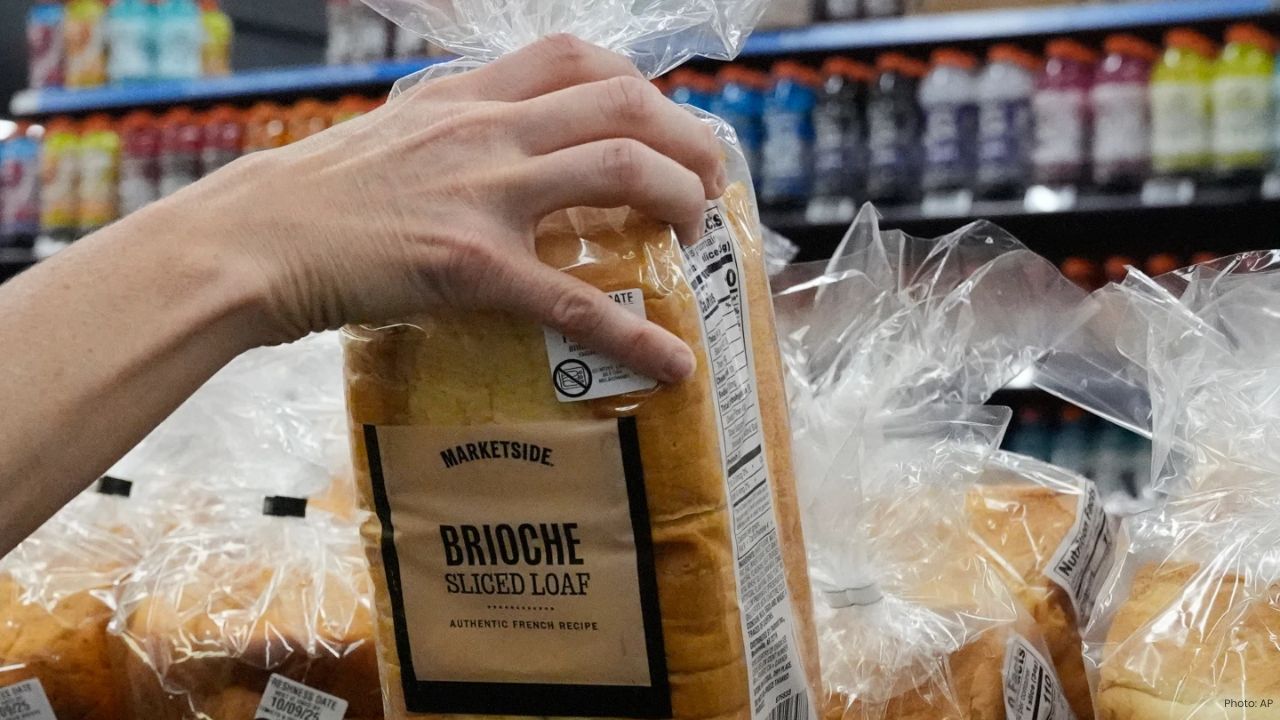
Walmart announced Wednesday plans to eliminate synthetic food dyes and 30 other ingredients, including preservatives, artificial sweeteners, and fat substitutes, from its store brands in the U.S. by January 2027. The retailer said the reformulation would affect about 1,000 products, spanning salty snacks, baked goods, energy drinks, salad dressings, and frostings.
Initiative Responds to Consumer Demand
The move highlights increasing consumer and governmental attention on food additives. Brian Ronholm, director of food policy at Consumer Reports, described the initiative as a “sweeping declaration” responding to growing demand for fewer additives.
Focus on Private Label Brands
Walmart’s Great Value brand will be the most affected, along with Marketside, Freshness Guaranteed, and Bettergoods products. The plan builds on Walmart’s existing efforts, with 90% of its private-label foods already free of synthetic dyes, according to Scott Morris, senior VP of private brands food.
Industry Trend Toward Natural Ingredients
Major food companies such as Kraft Heinz, Nestlé, and Conagra have committed to removing petroleum-based synthetic dyes in the coming years. Walmart expanded this effort by targeting other additives like potassium nitrate, potassium nitrite, potassium bisulfite, advantame, and neotame, reflecting a broad approach to reformulation.
Experts Weigh In
Some additives on Walmart’s list, like synthetic dyes Red No. 4, Red No. 3, Citrus Red No. 2, and Orange B, as well as simplesse and trans fats, are already banned or phased out. Certain choices, including toluene, anisole, morpholine, and talc, surprised food safety experts.
Thomas Galligan, a scientist at the Center for Science in the Public Interest, said the initiative is “a good commitment,” but cautioned that past promises have often been broken.
Challenges in Reformulating Foods
Replacing artificial additives with natural alternatives is complex. Performance varies depending on whether a product is shelf-stable or refrigerated, requiring extensive taste testing. Walmart is gradually introducing substitutes like paprika, annatto, beta-carotene, spirulina, and juice concentrates in place of Yellow No. 5, Yellow No. 6, Red No. 40, and Blue No. 2.
Scott Morris emphasized that “every item’s a snowflake,” highlighting the difficulties of large-scale reformulation while maintaining quality and price.
Government Scrutiny and Future Outlook
The FDA is increasing scrutiny of artificial food dyes. In one recent action, it banned Red 3 in foods due to potential cancer risk. Walmart’s announcement aligns with growing regulatory and consumer pressure to reduce synthetic chemicals in the food supply.