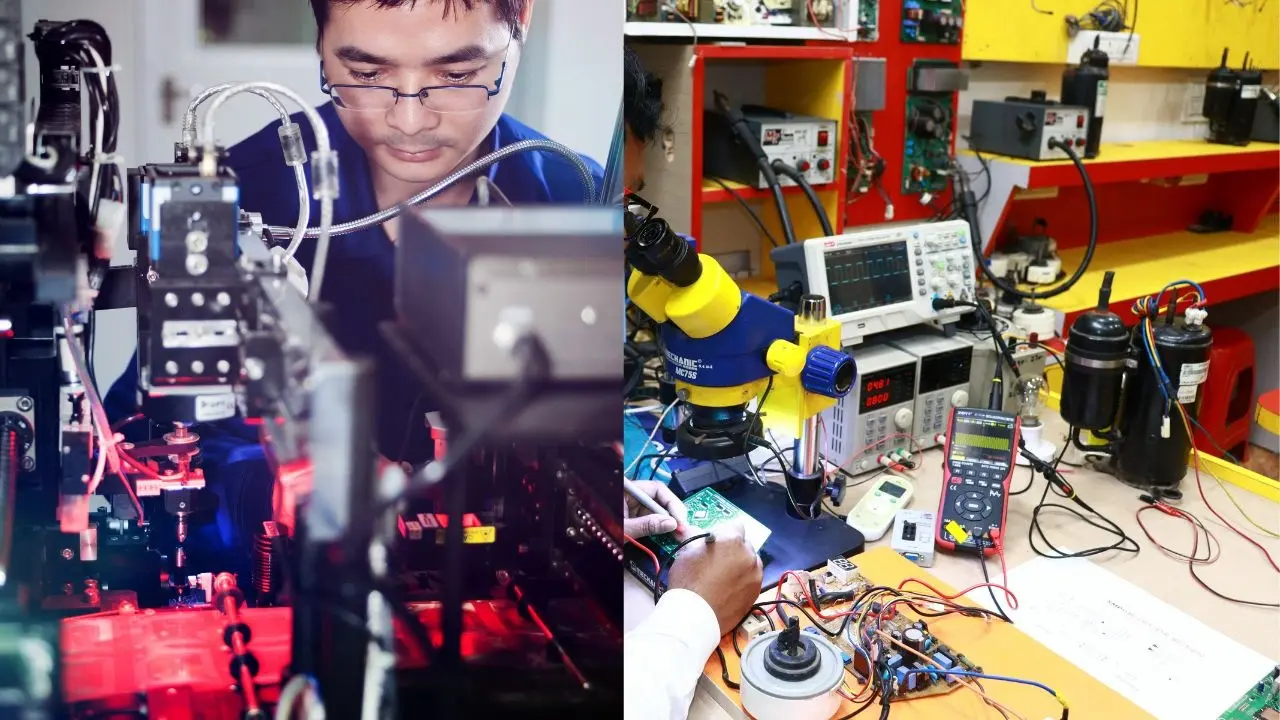
Vietnam has revealed a significant national strategy focused on cutting-edge technologies, aiming to spearhead innovation and development within the nation. Deputy Prime Minister Ho Quoc Dung signed Decision No. 21/2026/QD-TTg, which approves a new List of Strategic Technologies and Strategic Technology Products, effective from July 1, 2026. This policy aims to bolster Vietnam’s economic competitiveness and promote technological self-sufficiency.
Under this decision, ten pivotal technology sectors have been recognized by the Vietnamese government as crucial for the country's economic landscape. These sectors encompass digital innovations such as artificial intelligence, cloud computing, blockchain, big data, and the Internet of Things. Additional significant areas include next-gen mobile networks, robotics, automation, advanced biotechnology, semiconductor technology, cybersecurity, aerospace, and high-speed rail systems.
Officials articulated that this strategy reflects Vietnam's aspirations to elevate its status as a technology and digital economy leader in Southeast Asia. By pursuing rapid investments in advanced tech, the government believes it can boost industrial efficiency, enhance innovation, and decrease reliance on foreign technology in sectors like cybersecurity, energy, and communications.
The decree also outlines a comprehensive list of 30 strategic technology products categorized into two groups. The first consists of products with existing market viability that contribute significantly to economic growth. These offerings include Vietnamese language AI models, cloud solutions, blockchain infrastructure, robotic manufacturing units, advanced vaccines, biosensor systems, and green hydrogen technology.
Several items focus on digital advancement and contemporary industrial growth. Vietnam aims to advance AI-driven virtual assistants, cybersecurity solutions for critical infrastructure, 5G equipment, and innovations in healthcare technology. These products are anticipated to play a vital role in economic growth and national digital modernization.
The second grouping encompasses future-centric technologies and strategic products key to national security and self-reliance. Specialized semiconductor chips, quantum communication systems, deep-sea exploration tech, satellite networks, and compact nuclear reactors are included. The government perceives these as foundational for establishing Vietnam’s long-term technological autonomy.
Additionally, high-speed rail and urban rail initiatives are among the prioritized strategic technology sectors. Vietnam plans to enhance rail industrial platforms, transportation systems, and railway infrastructure to foster sustainable economic growth in urban areas.
The Ministry of Science and Technology will oversee the ongoing review and updates of this strategic technology list to reflect future economic conditions. Authorities indicated that the government is committed to continuously adjusting its policies to align with both global tech trends and local development needs, coordinating with various agencies to ensure effective implementation and timely revisions.
Vietnamese officials regard this decision as a significant advancement towards enhancing the nation’s innovation ecosystem and reinforcing its role in the global tech arena. This strategy is poised to drive investment, amplify research efforts, and unveil new economic prospects in sectors like AI, renewable energy, healthcare, transportation, and digital infrastructure in the coming years.