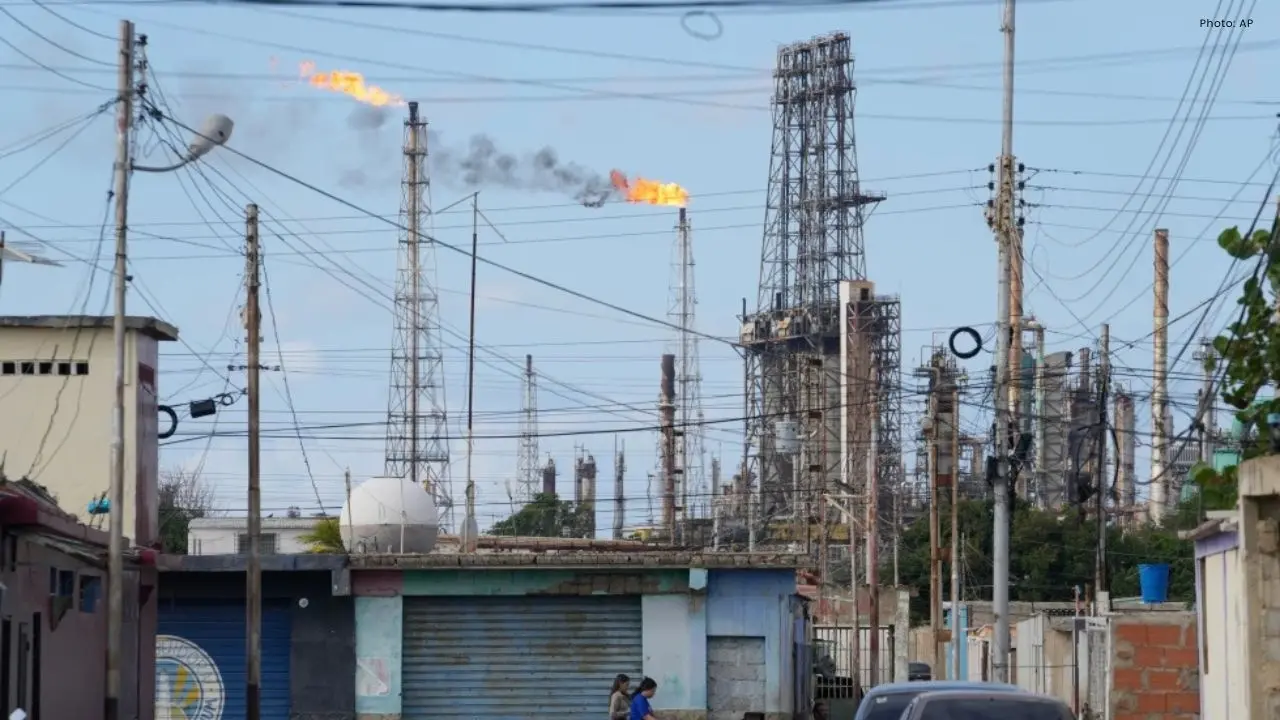
The Venezuelan government is taking significant steps to revitalize its oil sector. On Thursday, the National Assembly commenced discussions on a proposed bill designed to lessen state control over oil production and attract private and foreign investments.
This initiative marks the first substantial reform of Venezuela's oil operations since 2007, following the nationalization by former President Hugo Chávez. The new legislation signifies a notable departure from the stringent state-centric model that has dominated the nation's economy for nearly two decades.
If approved, the measure would enable private entities to manage oil fields, sell crude oil directly, and earn income through agreements with the state-run Petróleos de Venezuela. Furthermore, it would permit companies to resolve disputes using international arbitration methods instead of solely relying on Venezuelan court systems.
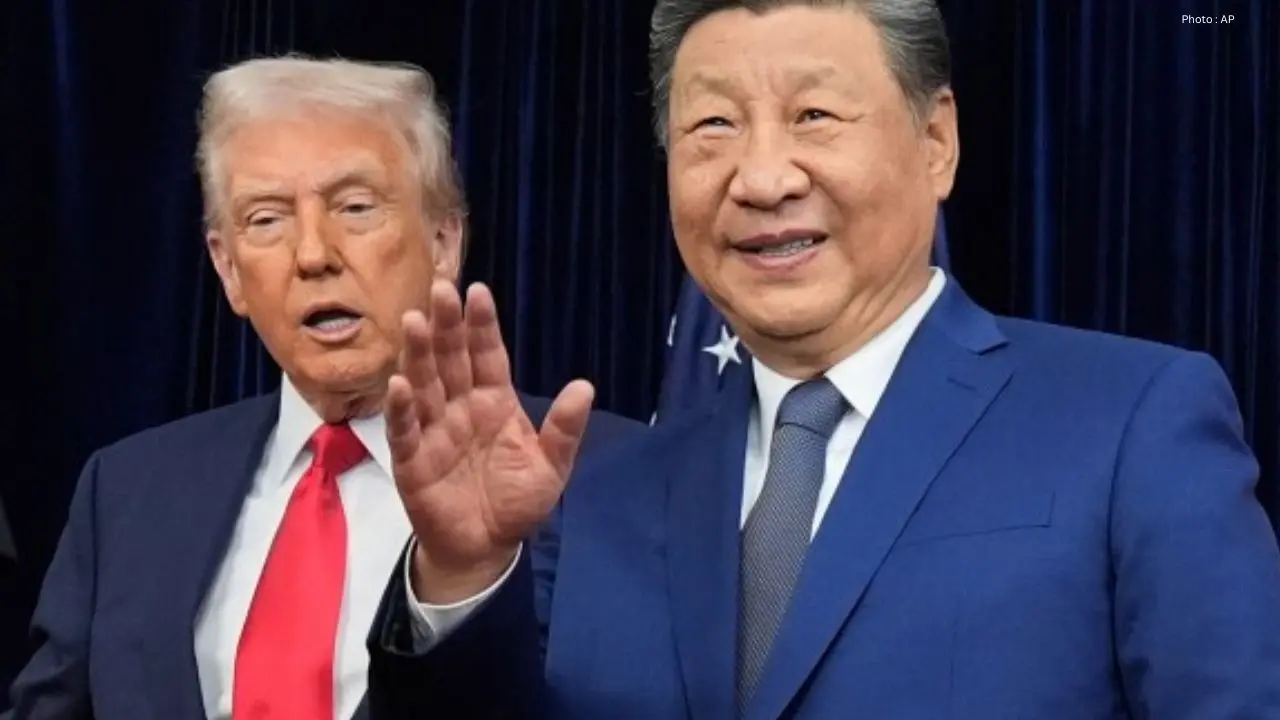
The timing of these proposals is crucial, given the political turbulence following the capture of former President Nicolás Maduro by U.S. forces earlier this month, which has triggered a new power struggle. The U.S. government has since intensified its calls for current acting president Delcy Rodríguez to permit American energy companies into the oil market.
Proponents of the bill assert that immediate action is necessary to rejuvenate oil production, which has drastically declined due to mismanagement and sanctions. National Assembly President Jorge Rodríguez emphasized the urgency of boosting production, stating, “Oil under the ground is useless.”
To entice investors, the proposed law includes financial incentives, such as reducing oil royalties from 30% to potentially as low as 15% and lowering extraction taxes, making less developed oil fields more appealing.
Business advocates, including Orlando Camacho, a lawmaker and leader of the Fedeindustria business group, hailed the proposal as a courageous step that maintains oil's vital role in Venezuela’s future development.
Nonetheless, many investors are still hesitant. The history of significant losses during Chávez's nationalization of oil assets remains fresh, with companies like Exxon still pursuing compensation for previous losses.
The ongoing political instability is another deterrent for potential investors. There is uncertainty surrounding the timeline for new democratic elections and the possible lifting of U.S. economic sanctions initially imposed during Trump’s presidency, which hinder business operations in Venezuela.
Despite these concerns, the government is pushing ahead. After two hours of discussion, lawmakers granted initial approval to the bill, moving it to the next phase for further discussions.
The successful passage of this law could dramatically alter Venezuela's oil landscape and its economic destiny. Its success in attracting investment and revitalizing production will hinge on establishing trust, stability, and the government's commitment to its pledges.