A groundbreaking oil agreement between the United States and Venezuela has triggered substantial global reactions, particularly from China, while leading to a decline in oil prices. This deal marks a pivotal shift in energy distribution, emphasizing the profound impact of political dynamics on the international oil market.
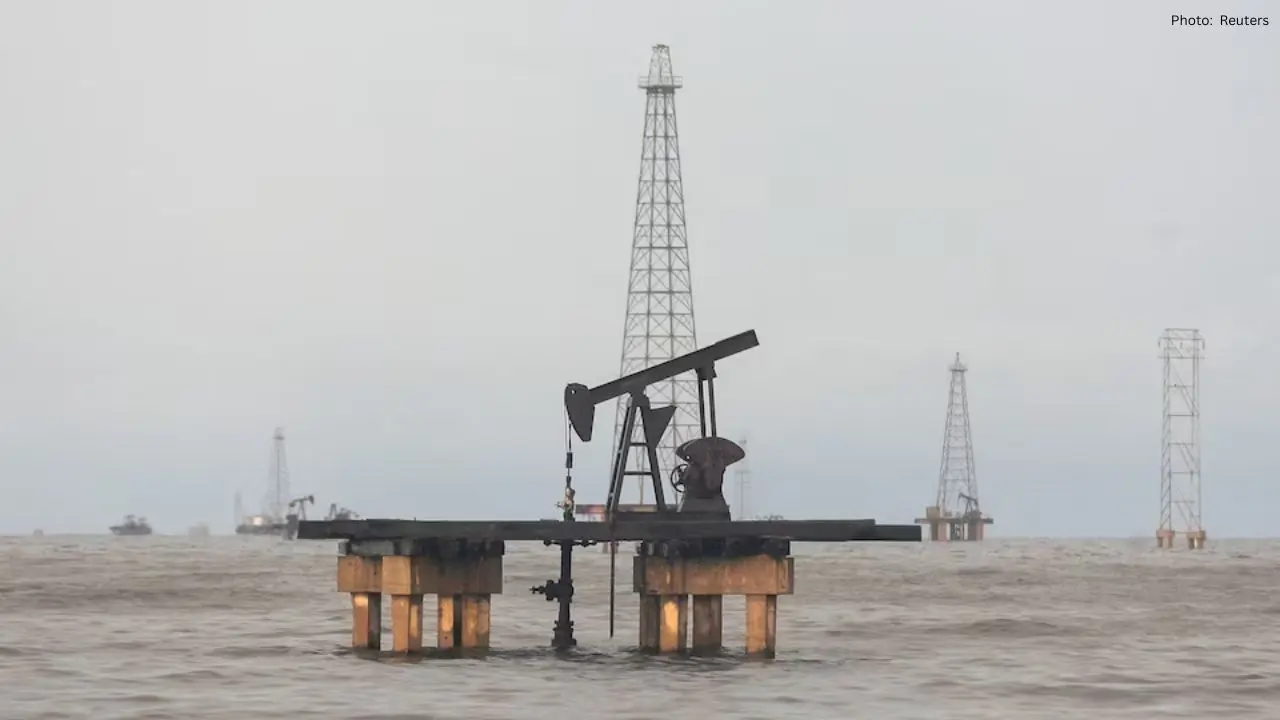
As announced by the Trump administration, this deal entails the United States importing and refining up to 50 million barrels of Venezuelan crude oil, which has been stuck due to sanctions. This crude is set to be sold at market prices, with Trump indicating that the revenue will be supervised by the U.S. government for the benefit of both American and Venezuelan citizens.
The immediate market response was a decrease in oil prices by roughly 1 percent as traders anticipated increased supply. Investors are hopeful that even limited Venezuelan oil returns could alleviate some of the pressure on global supplies.
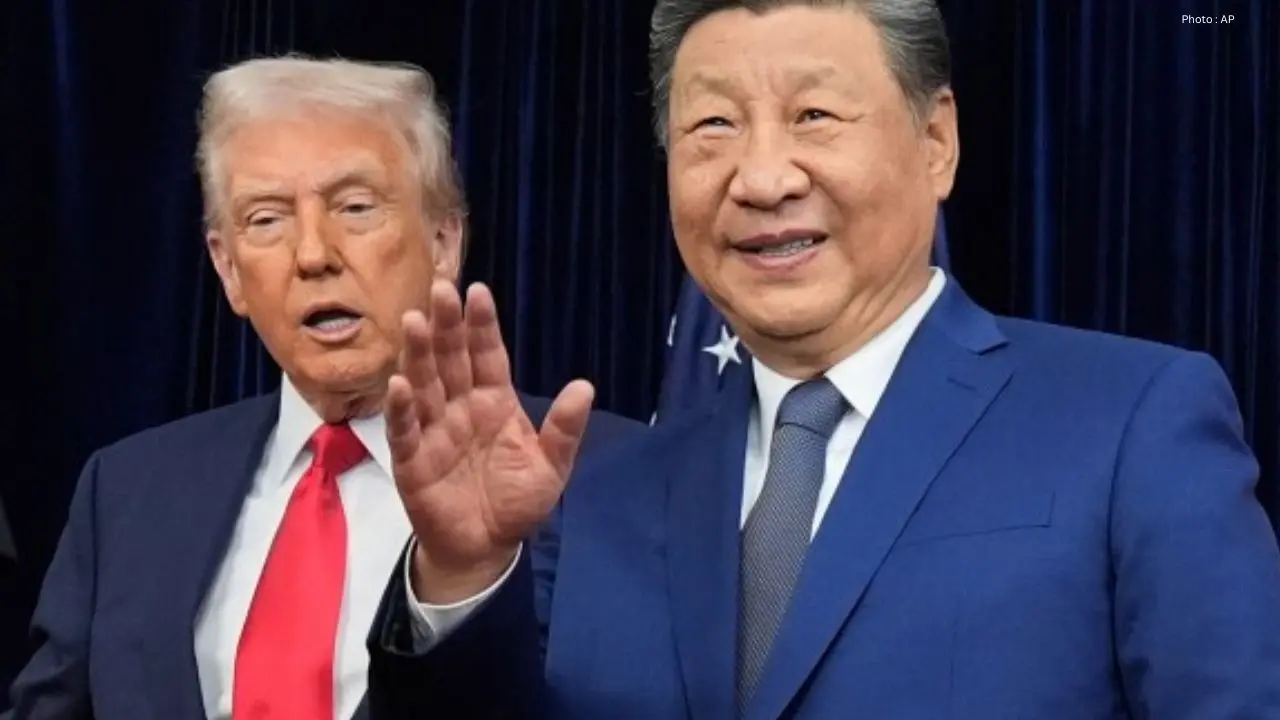
Beijing's reaction was swift and severe. China, historically the largest buyer of Venezuelan oil, accused the U.S. of coercive practices and breaches of international laws. Chinese officials argue that this U.S. maneuver infringes on Venezuela's sovereignty and adversely affects its populace. China, along with allies like Russia, has condemned the U.S. military action that resulted in the apprehension of Venezuelan leader Nicolas Maduro.
This agreement follows Maduro's capture by U.S. forces, and although his allies largely govern, interim President Delcy Rodriguez faces the challenging task of managing public outrage over Maduro's arrest while responding to U.S. demands for cooperation.
Trump's strategy indicates a clear focus on the oil sector in Venezuela, aiming to rejuvenate it through American corporate involvement, all while downplaying the importance of immediate political reforms or elections. Although Venezuela has yet to officially acknowledge the oil deal, steps seem to be in motion to redirect shipments previously destined for China.
This development has raised eyebrows among U.S. allies, many expressing concerns about the implications of capturing a foreign leader and the increasing tendency to employ force to protect economic interests. China and Russia view the oil deal as an attempt by the U.S. to enhance its influence across Latin America.
Back in Venezuela, opposition leaders remain marginalized. Maria Corina Machado, a prominent opposition figure, calls for fresh elections but prioritizes stability above all. The U.S. has issued warnings to senior Venezuelan officials hinting that non-compliance could lead to punitive measures, including sanctions or legal repercussions.
Additionally, the U.S. is pressuring Venezuela to limit ties with China, Russia, Cuba, and Iran, further complicating an already delicate situation as Venezuela seeks to revitalize its economy after years of decline.
This US-Venezuela oil agreement underscores the intricate link between energy, politics, and power. While it may temporarily stabilize oil markets, it simultaneously opens new divisions that could influence global energy diplomacy for years ahead.