The United States and the United Arab Emirates have reported fresh Iranian attacks as military forces continue operations to reopen the Strait of Hormuz, one of the world’s most important oil shipping routes. The latest escalation has increased tensions across the Middle East and raised concerns about global energy supplies, international trade, and regional security.
According to US military officials, American naval forces battled Iranian units near the Strait while attempting to secure safe passage for commercial ships. US Central Command stated that American helicopters and naval forces destroyed six Iranian small boats that were allegedly threatening vessels moving through the waterway. Officials also claimed that Iranian drones and missiles targeted protected commercial shipping routes during the operation.
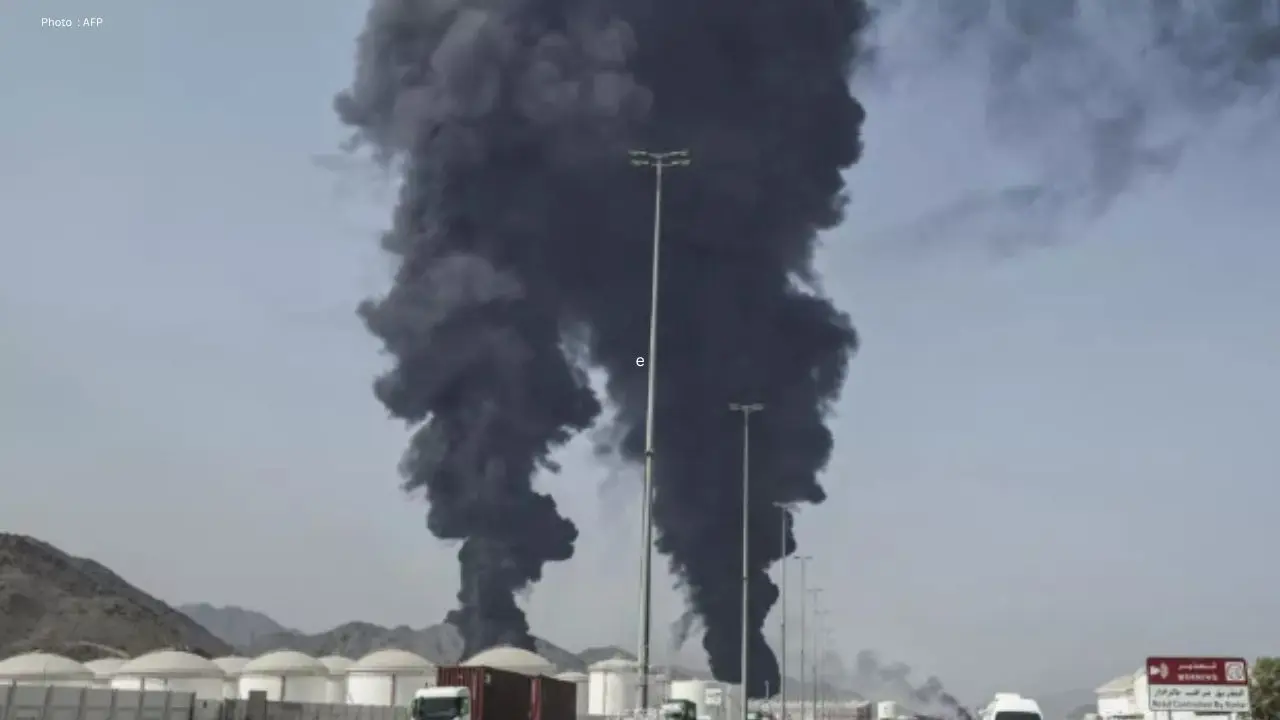
The United Arab Emirates also accused Iran of carrying out missile and drone attacks targeting facilities and vessels connected to the country. UAE officials said several cruise missiles were launched toward the region, while an Iranian drone reportedly caused a fire at a major oil facility in Fujairah, an important energy and shipping hub outside the Strait of Hormuz. Reports stated that a few workers were injured during the incident.
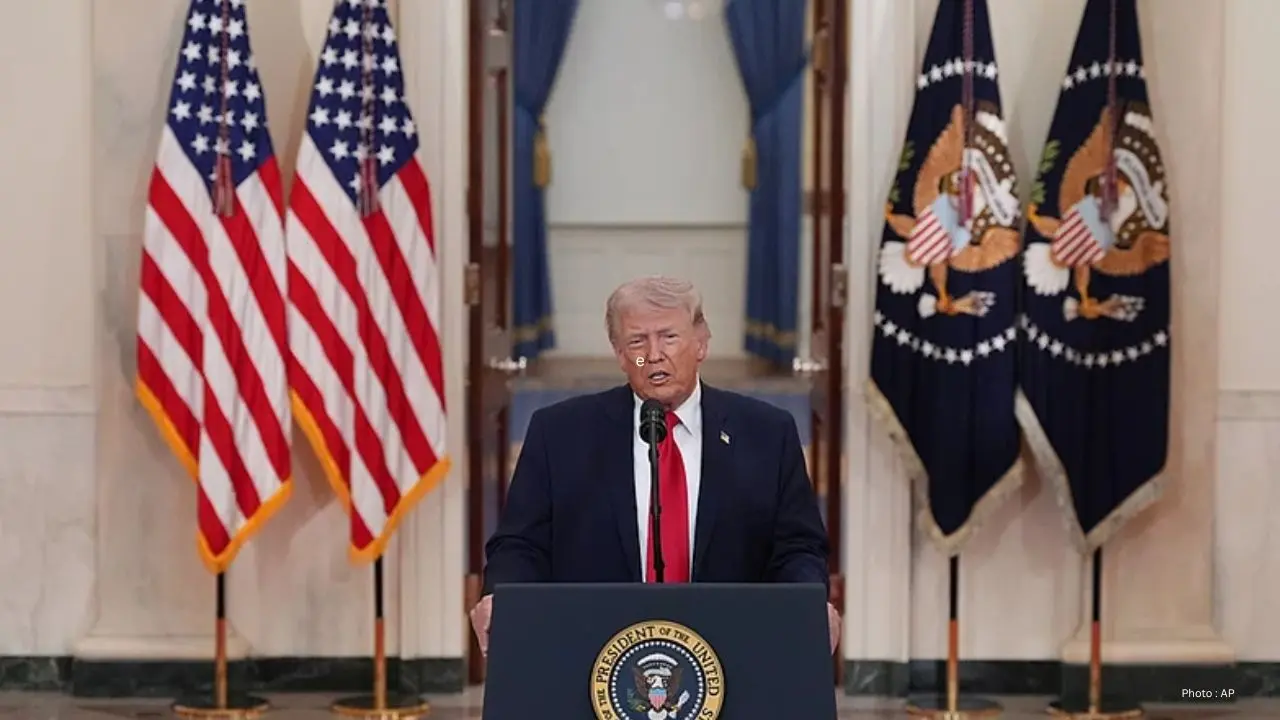
The attacks came as President Donald Trump’s administration continued “Project Freedom,” a military-backed mission aimed at reopening the Strait of Hormuz for international shipping. The operation was launched after hundreds of commercial ships became stranded due to security threats and fears of attacks in the Gulf region.
US officials confirmed that at least two American-flagged merchant ships successfully crossed the Strait under military protection as part of the first phase of the operation. American destroyers and surveillance aircraft are currently deployed across the region to protect shipping lanes and monitor possible threats.
Iran, however, warned foreign military forces against entering the Strait without coordination and claimed that the US operation violates earlier ceasefire understandings. Iranian state media also reported that Iranian forces forced American warships to retreat from parts of the area, although US officials denied claims that any American vessels were damaged.
The Strait of Hormuz remains one of the most strategically important waterways in the world because nearly one-fifth of global oil shipments pass through the narrow route connecting the Persian Gulf to international markets. Ongoing instability in the area has already caused major disruptions to global supply chains and fuel markets.
Global oil prices have continued rising as investors react to the worsening situation. Reports show that crude oil prices climbed above $114 per barrel following the latest attacks and renewed fears over supply disruptions. Shipping insurance costs and freight charges have also increased sharply due to security risks in the region.
International shipping companies remain cautious about resuming normal operations through the Strait. Maritime experts warned that sea mines, drone attacks, and missile threats continue creating dangerous conditions for commercial vessels despite ongoing military patrols.
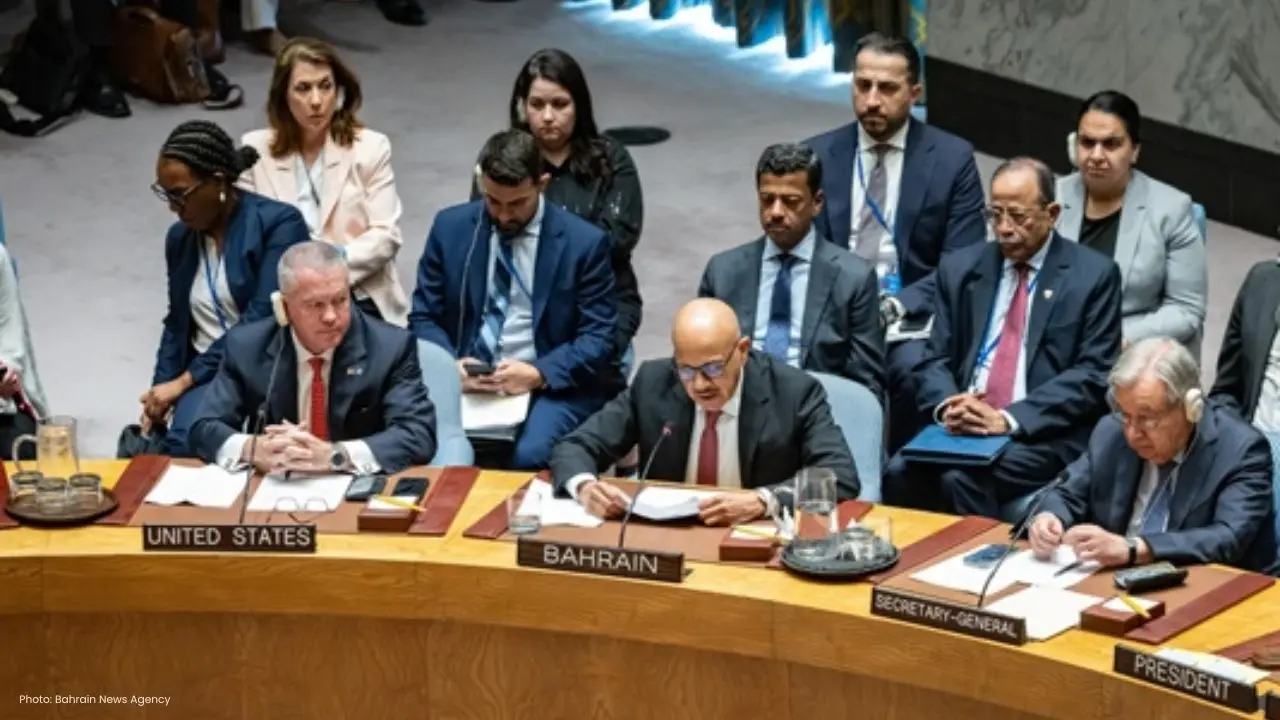
Political analysts believe the latest confrontation could further weaken the fragile ceasefire between the United States and Iran. Diplomatic efforts continue behind the scenes, but military activity in the Gulf has increased uncertainty about whether tensions can be controlled in the coming weeks.