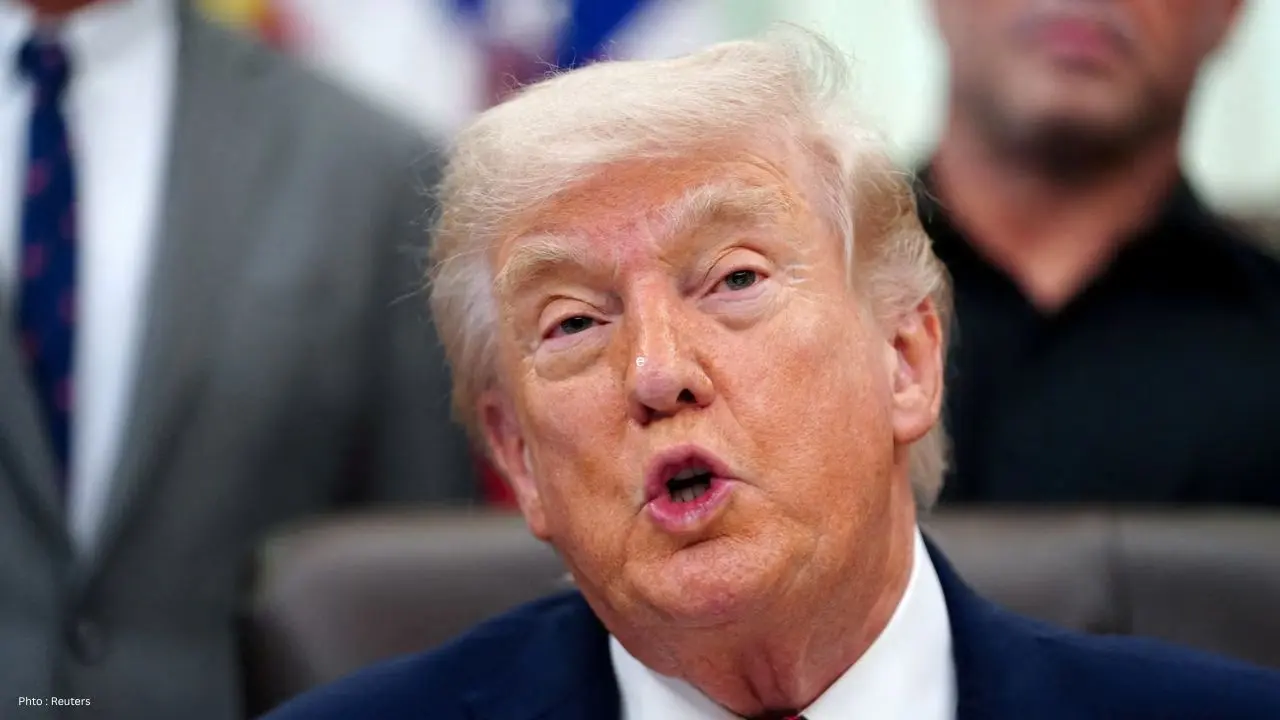
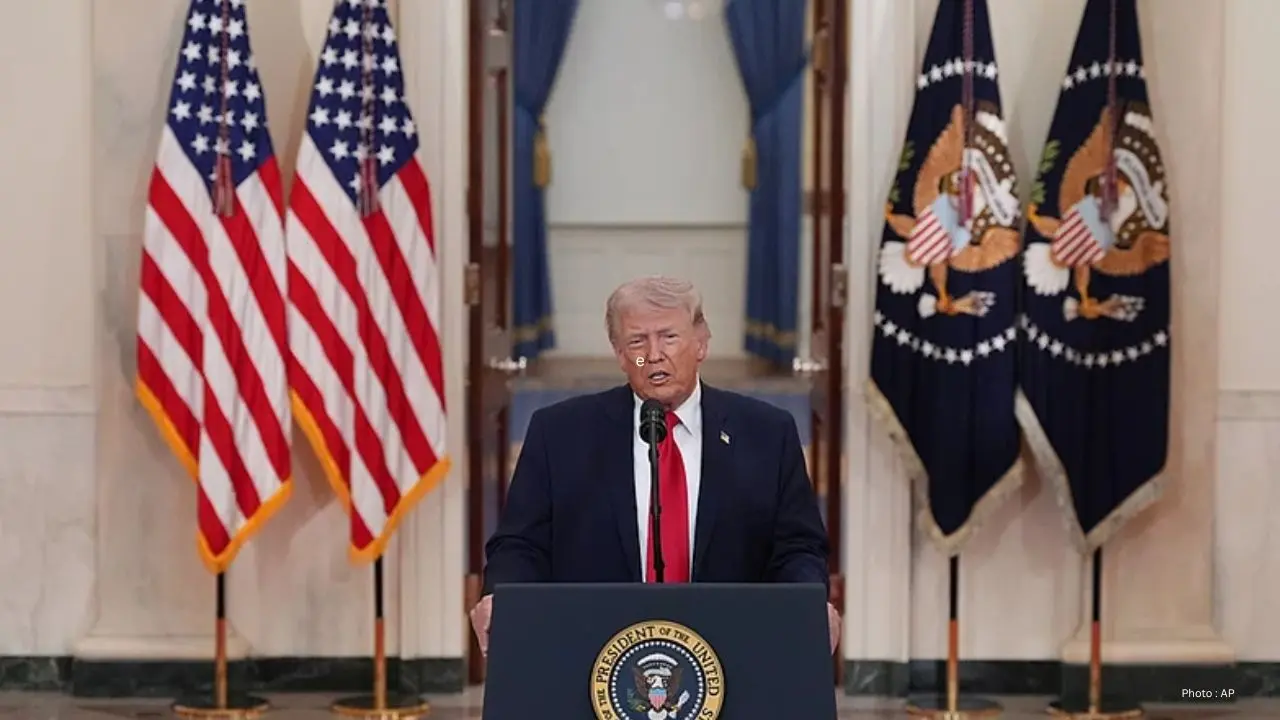
A United States trade court has ruled in favour of a group of businesses and plaintiffs who challenged former President Donald Trump’s global tariff measures, delivering a major legal setback to his trade policies. The court decided that the administration exceeded presidential authority by attempting to impose broad tariffs on imported goods under emergency economic powers.
The decision was announced by the US Court of International Trade, which reviewed legal challenges filed by businesses and trade groups affected by the tariffs. Plaintiffs argued that the proposed tariffs would increase costs for American companies, damage supply chains, and place financial pressure on consumers already dealing with inflation and rising prices.
According to the court, the emergency powers law used to justify the tariffs was not designed to give presidents unlimited authority over international trade decisions. Judges stated that major trade actions affecting global markets require clear legal limits and proper congressional oversight. The ruling emphasized that presidential powers related to tariffs cannot expand beyond what is permitted under US law.
Donald Trump strongly supported tariffs during his presidency and continued promoting aggressive trade policies as part of his “America First” economic agenda. He argued that tariffs were necessary to protect American manufacturing, reduce trade deficits, and pressure foreign governments during trade negotiations. Trump previously imposed tariffs on products from China, Canada, Europe, and several other regions during his administration.
Business organizations welcomed the court’s ruling and described it as an important decision for economic stability. Many companies had warned that broad global tariffs could increase production costs, disrupt imports, and create uncertainty in international trade markets. Industry leaders said the ruling provides relief for businesses dependent on foreign goods and international supply chains.
Legal experts believe the case could become an important constitutional debate about the limits of presidential power in economic matters. The court warned that allowing unrestricted tariff authority under emergency laws could create a dangerous precedent for future administrations. Analysts say the decision may influence how future presidents use executive powers in trade and economic policy.
Supporters of Trump criticized the ruling and argued that strong tariffs are necessary to defend American industries from unfair international competition. Some Republican leaders claimed the decision weakens the president’s ability to respond quickly to economic threats and trade disputes involving foreign countries.
The case is expected to continue through the appeals process, meaning the legal battle over tariff powers could move to higher federal courts in the coming months. Political observers believe the issue may also become part of wider debates during the US election campaign, especially on topics related to manufacturing, trade policy, and America’s global economic strategy.
Economists say the ruling may temporarily calm fears of new large-scale tariffs that could have affected international markets and consumer prices worldwide. However, uncertainty surrounding future trade policies is likely to continue as legal and political discussions over presidential authority remain ongoing in the United States.