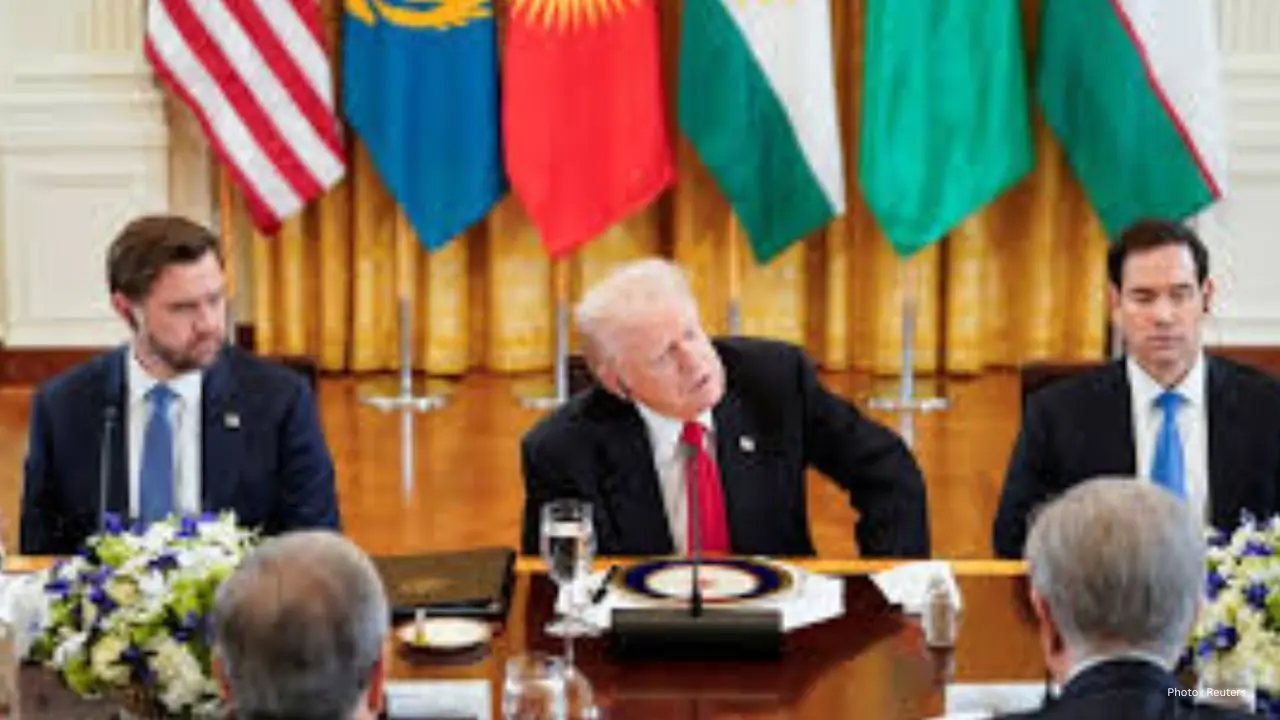
The United States has taken a significant step in expanding its global health engagement by signing a major agreement with Tajikistan under the Trump administration’s America First Global Health Strategy. The agreement marks the first bilateral health cooperation initiative in the South and Central Asia region, highlighting a growing focus on strengthening healthcare systems and preventing the spread of infectious diseases.
According to a press statement by Thomas "Tommy" Pigott, the Memorandum of Understanding (MOU), signed on April 6, aims to improve disease detection, reporting, and response capabilities in Tajikistan while also protecting public health interests in the United States. The initiative reflects a broader strategy to enhance global health security and reduce the risk of cross-border disease outbreaks.
The agreement is valued at approximately $78 million, with the United States planning to contribute $38 million over the next five years. These funds will primarily support efforts to combat major infectious diseases such as HIV/AIDS and tuberculosis, including drug-resistant strains. At the same time, the government of Tajikistan has committed to investing $40 million of its own resources, demonstrating a push toward building a more self-reliant healthcare system.
A key focus of the partnership is the development of a modern, integrated national health system in Tajikistan. This system will aim to detect and respond to disease outbreaks within defined timelines by improving surveillance, laboratory capabilities, and coordination between health agencies. Such improvements are expected to strengthen not only Tajikistan’s internal health infrastructure but also regional preparedness against potential health crises.
The United States emphasized that investing in global health initiatives also supports its broader economic and strategic interests. A more stable and healthier Central Asian region can help protect international supply chains and create better conditions for American businesses operating abroad. Officials also noted that such partnerships enhance diplomatic ties and reinforce the U.S. role as a global leader in health and development.
This agreement is part of a larger global effort, with the United States having signed multiple similar MOUs with countries across Africa, Asia, and Latin America. These partnerships collectively represent billions of dollars in funding aimed at combating diseases like HIV/AIDS, malaria, and tuberculosis, while building stronger healthcare systems worldwide.